How to Screen in a Deck Without Roof: Step-by-Step Guide
To screen in your deck without a roof, start by inspecting and reinforcing your deck’s frame to handle added screens.
Use sturdy, weather-resistant posts and rails, anchoring securely to avoid sagging or wind damage.
Choose durable aluminum mesh or privacy screens, and stretch them taut with corrosion-resistant fasteners and battens to keep insects out and maintain tension.
Consider modular panels for future roof plans, and select materials that withstand exposure.
Keep these basics in mind to create a functional, long-lasting screened space that you can enhance further.
Key Takeaways
- Inspect and reinforce deck framing and posts to ensure stability and support for added screen framing without a roof.
- Build sturdy, weather-resistant wooden or metal frames attached to existing deck posts or added supports for screen mesh installation.
- Use durable aluminum mesh or privacy screens with corrosion-resistant fasteners for long-lasting insect protection and weather resistance.
- Secure screen edges tightly with batten strips or trim boards to prevent sagging, gaps, and tearing in open-air conditions.
- Position screens to block prevailing winds while maintaining ventilation, and plan for modular or removable panels for future roof additions.
How To Screen Your Deck Without A Roof: Options And Considerations?

Although screening a deck without a roof won’t keep out rain, you can still reduce bugs and add privacy effectively by focusing on side screening options.
Start by inspecting your deck’s frame and posts to make certain they’re sturdy enough to support screens. You can install screen panels or mesh directly onto the deck’s perimeter using battens or trim boards to clamp the material tightly.
Overlap screen edges by at least six inches to block insect gaps and pull the mesh taut to minimize sagging. Consider durable aluminum screen for better weather resistance.
If your deck lacks suitable posts, you might need to add framing to attach screens securely. Keep in mind that without a roof, your screening will primarily provide insect control and privacy, not complete weather protection.
Ensure all fasteners used to attach the screens are corrosion-resistant fasteners to prevent rust and maintain long-term stability.
Screening Options For Open Decks: Temporary And Semi-Permanent Solutions
If you’re looking to keep bugs at bay without committing to any permanent changes, temporary screen structures like freestanding tents or gazebos are a great option. They’re easy to set up and take down, making them perfect for those spontaneous outdoor gatherings.
Now, if you’re thinking about something a bit more long-lasting, you might want to consider semi-permanent screen frames. These can be attached to your deck’s posts or perimeter, giving you a more durable solution. Both of these choices have their perks—whether you want flexibility or a bit more stability, it really depends on your needs and how much effort you’re willing to put in.
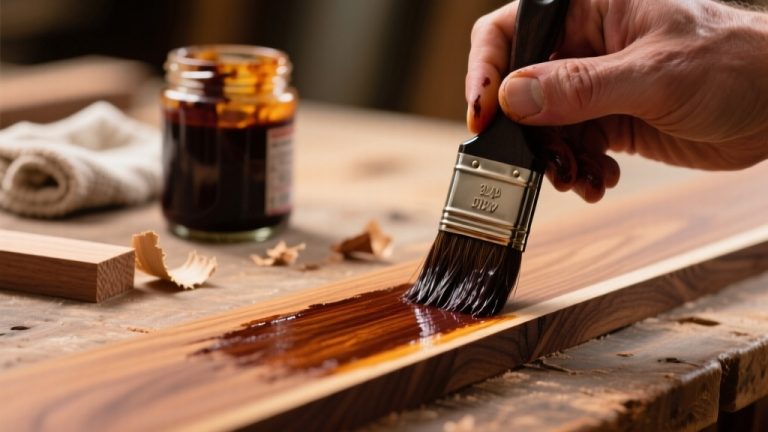
For outdoor wooden furniture on your screened deck, applying a durable wood finish can help protect against weather and UV damage, extending the life and appearance of your furnishings.
Temporary Screen Structures
Creating temporary screen structures offers a flexible solution for open decks that lack a permanent roof. They provide insect protection and some privacy without major construction or permanent changes.
You can set them up quickly and remove them when needed, making them ideal for seasonal use or rental properties.
Popular options include:
Freestanding screen tents or gazebos for easy setup and portability.
Retractable outdoor screens that roll up when not in use.
Screen panels supported by lightweight frames you can anchor to your deck.
Vinyl or mesh curtains hung from a temporary frame or pergola.
Pop-up canopies with screened sides for shade and bug protection.
These options let you enjoy your deck with fewer bugs while keeping the space open and adaptable. Using vinyl materials for screen panels or curtains can enhance durability and weather resistance in temporary setups.
Semi-Permanent Screen Frames
Moving beyond temporary setups, semi-permanent screen frames offer a more stable and lasting solution for open decks without roofs.
You’ll build sturdy wooden or metal frames around your deck’s perimeter, attaching screen mesh tightly to reduce insects and add privacy.
Before starting, inspect your deck’s posts and framing to confirm they can support the added structure.
You might need to install additional posts or reinforcement to handle wind and rain exposure.
Use durable materials like aluminum screens and weather-resistant fasteners to increase longevity.
Secure the screen edges with battens or trim boards to prevent sagging and tearing.
While these frames won’t block rain from above, they create a reliable enclosure that withstands outdoor conditions better than temporary tents or curtains.
For enhanced durability and ease of maintenance, consider using weather-resistant materials designed to withstand outdoor elements.
Preparing Your Deck Structure For Screen Installation
Before installing screens on your deck, thoroughly inspect the existing structure to verify it can support the additional framing and screen materials.
Inspect your deck carefully to ensure it can handle the extra weight of screens and framing.
Check for any signs of rot, decay, or loose fasteners in the deck framing and posts. Make certain the deck’s layout allows for secure screen attachment points.
You might need to add support posts or reinforce the frame if spacing is too wide or wood is weakened. Also, consider weather exposure since your deck lacks a roof.
All materials and fasteners should resist corrosion and damage.
To prepare your deck structure:
- Inspect all joists, posts, and beams for strength and integrity.
- Tighten or replace loose or rusted hardware.
- Add extra framing where needed for screen support.
- Select weather-resistant fasteners and materials.
- Make certain the deck surface is clean and stable for work.
Using corrosion-resistant fasteners will help ensure long-term durability in outdoor conditions.
Frame Ideas For Attaching Screens To An Open Deck
To attach screens effectively, the first step is to find those spots on your deck where the existing structure doesn’t offer solid fastening points. You’ll want to place some support posts in those areas. It’s all about creating a strong foundation!
Next, you’ll build a sturdy frame using durable wood or metal. This frame needs to be tough enough to hold the screen material tight and stand up against wind pressure. Trust me, you don’t want your screens flapping around in the breeze!
Finally, make sure you pay attention to post spacing and how you construct the frame. This is crucial! Proper spacing will help keep your screens secure and maintain their shape over time.
After all, you want them looking great for seasons to come! Using materials with high strength and resistance can ensure your frame holds up under stress and wear.
Support Post Placement
Positioning support posts strategically around your open deck is essential for creating a sturdy frame to which screens can be securely attached. You’ll want to space posts evenly to prevent screen sagging and guarantee strong wind resistance. Check your deck’s existing structure for soundness before adding posts. Anchor them firmly to withstand weather exposure. Consider post height and thickness to match your screen frame design.
Key tips for support post placement:
Place posts at corners and midpoints of long sides for stability.
Use pressure-treated wood or metal posts rated for outdoor use.
Secure posts to the deck framing or ground with heavy-duty brackets.
Guarantee posts are plumb and level for a clean, tight screen fit.
Leave enough clearance for door openings or access points.
For enhanced stability and mobility during construction or future modifications, consider incorporating heavy-duty workbench casters into your deck support setup.
Screen Frame Construction
Start by building a sturdy frame that can securely hold your screen material against the open deck. Use solid wood or metal posts spaced evenly to support the screen and reduce sagging.
Attach horizontal framing members where you’ll fasten the screen. Ensure they’re weather-resistant and strong enough to withstand wind. Consider adding battens to clamp screen edges for durability and a clean finish.
| Frame Type | Best Use |
|---|---|
| Wood Skirting | Lower deck enclosure |
| Metal Posts | Durable vertical supports |
| Horizontal Rails | Screen attachment points |
| Batten Strips | Secure screen edges firmly |
Check your existing deck for stability before attaching frames. Fasten screens tightly to avoid wrinkles and gaps. Choosing materials with durability and stability features ensures your screen frame withstands outdoor conditions effectively.
How To Choose Screen Materials For An Open Deck?
Selecting the right screen material for your open deck involves balancing durability, visibility, and insect protection to match your specific needs.
Since your deck lacks a roof, you’ll want a material that withstands direct weather exposure without sagging or tearing easily.
Aluminum mesh is a solid choice for toughness, while fiberglass offers better visibility and flexibility but less durability.
Consider the screen’s openness to maintain airflow and sightlines, and make certain it resists UV damage.
When choosing materials, think about:
- Weather resistance and corrosion-proof hardware
- Mesh size for effective bug blocking
- Strength to hold up against wind and rain
- Compatibility with your deck’s frame and fasteners
- Ease of replacement or seasonal removal
Additionally, selecting materials with UV resistance can significantly extend the lifespan and appearance of your screened deck.
This approach helps you pick the best screen material for lasting comfort.
Step-By-Step Screen Fabric Installation To Keep Bugs Out
Begin by thoroughly inspecting your deck’s framing to guarantee it’s solid and free from rot or damage before attaching any screen fabric.
Start by ensuring your deck’s frame is sturdy and free of any rot or damage before screening.
Next, measure your deck openings carefully to cut screen material with at least a 6-inch overlap on all sides. Choose durable aluminum screen for better weather resistance.
Pull the screen tight over the framing, then staple it evenly every 6 to 8 inches to prevent sagging. Use batten boards to clamp edges firmly, enhancing durability and reducing the risk of tearing.
Trim excess fabric flush with the batten boards. Check all seams overlap to block insect gaps effectively.
Finally, inspect your work for wrinkles or loose spots and adjust staples as needed to maintain a smooth, secure fit, ensuring reliable bug protection. Maintaining consistent tension and secure fastening is key to preventing sagging and prolonging screen durability.
Adding Privacy And Wind Protection With Deck Screens
Once your screen fabric is securely installed to keep bugs out, you can enhance your deck’s comfort by adding privacy and wind protection.
Use sturdy framing or freestanding panels to support thicker or layered screens designed for these purposes.
Consider materials that block views while allowing air flow, such as privacy mesh or lattice combined with screening.
Position screens strategically to block prevailing winds without fully enclosing the space, maintaining openness and ventilation.
Secure screens tightly to avoid sagging or flapping in the breeze, which can reduce their effectiveness.
Use privacy mesh or cedar panels for visual screening.
Add windbreak fabrics that reduce gusts without trapping heat.
Attach screens to strong posts or frames for stability.
Overlap materials to prevent gaps for better protection.
Arrange screens where they block sightlines and wind paths most efficiently.
Weatherproofing Tips For Open Deck Screen Systems
Protecting your open deck screen system from rain and wind demands careful attention to materials and installation techniques. Use weather-resistant fasteners and corrosion-proof hardware to prevent rust and loosening.
Choose durable aluminum screen mesh instead of fiberglass for better tear resistance. Secure screens tightly with batten boards or trim to minimize wrinkles and reduce wind stress.
Overlap seams by at least six inches to block insect gaps and prevent water intrusion. Inspect and reinforce the deck’s framing to handle additional wind loads since the top remains exposed.
Consider installing removable or retractable screens so you can take them down during storms or harsh weather. Regularly check for tears or loose attachments to maintain the system’s integrity in open-air conditions.
Planning For A Future Roof And Screened Porch
If you’re considering adding a roof to your screened deck later, it’s smart to plan ahead during the initial screening installation.
Start by ensuring your deck’s framing and posts are strong enough to support both the screen and a future roof.
Use durable, weather-resistant materials that won’t need replacement when you add the roof.
Design your screen enclosure so it can integrate seamlessly with roof supports.
Keep in mind local building codes and permit requirements early on.
Here are key steps to prepare for a future roof and screened porch:
- Inspect and reinforce deck framing for added load.
- Choose sturdy, corrosion-resistant fasteners and framing.
- Plan screen attachment points compatible with roof supports.
- Consult local codes about railing and structural needs.
- Opt for modular or removable screen panels for flexibility.
Frequently Asked Questions
Do I Need a Permit to Screen in My Deck Without a Roof?
You likely need a permit to screen in your deck without a roof, but it depends on your local building codes.
Many municipalities require permits for structural changes, especially if you add framing or posts.
Check with your local building department before starting. They’ll tell you if your project triggers requirements for permits, inspections, or safety features like railings.
Getting approval upfront saves headaches and guarantees your screened deck is safe and legal.
How Do Local Building Codes Affect Deck Screening Installations?
Wondering how local building codes affect your deck screening? They dictate what’s allowed, including structural requirements, railing heights, and permit needs, ensuring safety and compliance.
You’ll want to check if your screening counts as a structural enclosure, which often triggers permits and inspections.
Ignoring codes can lead to fines or having to undo your work.
Can Screening an Open Deck Increase Property Value?
Yes, screening an open deck can increase your property value by enhancing outdoor living space and adding bug protection.
While it won’t offer full weather shelter without a roof, it makes your deck more appealing and functional, especially in bug-prone areas.
Just make sure your installation is sturdy, well-maintained, and compliant with local codes to maximize appeal.
Buyers often appreciate semi-private, usable outdoor areas that feel like an extension of the home.
What Maintenance Is Required for Outdoor Screens in Windy Areas?
When wind dances like wild horses around your screens, you’ll need to tighten and smooth the fabric regularly to prevent sagging and tearing.
Check staples and fasteners often, replacing any that rust or loosen. Batten boards help clamp edges firmly, so inspect those too.
Aluminum screens resist damage better, but even they need occasional cleaning and wrinkle removal. Staying on top of these tasks keeps your screens strong against gusty assaults.
Are There Eco-Friendly Screen Materials Suitable for Open Decks?
You can choose eco-friendly screen materials like bamboo or natural fiber mesh for your open deck.
These options are biodegradable and sustainable, reducing environmental impact.
Additionally, recycled aluminum screens offer durability with less resource use compared to new metal.
Just make sure the material withstands weather exposure, especially since your deck lacks a roof.
Combining sustainability with weather resistance helps you create a greener, practical screened space.
Screening a Deck Without a Roof: A Complete Guide
Screening your deck without a roof offers freedom but demands careful planning.
While open decks let sunlight and breeze flow freely, installing screens adds bug protection and privacy.
You’ll balance the ease of temporary setups against the sturdiness of semi-permanent frames.
Preparing your deck properly and choosing the right materials guarantees your screen lasts through weather changes.
By combining these elements thoughtfully, you create a comfortable outdoor space—open yet shielded, simple yet effective.