Best Blade for Cutting Corian: Top 5 Picks for Precision Cuts
Corian cuts can quickly turn into a nightmare. Edges chip with every pass. Blades heat up fast and slow down your progress.
The ZORUNNA 4.5″ diamond blade stays cool with a turbo mesh rim and cuts clean, reducing chips. The IVY Classic 7-1/4″ carbide blade relies on 60 triple chip teeth to prevent melting and create smooth finishes.
Oshlun’s 10″ 72-tooth blade uses anti-vibration slots and a zero-degree hook angle for perfect control and cooler cuts.
| Image | Name | Editor's Rating | Price |
|---|---|---|---|

|
ZORUNNA 2Pcs 4.5" Diamond Blade for Angle Grinder, Tile Saw ...
|
|
|

|
IVY Classic 36350 Laser Carbide 7-1/4-Inch 60 Tooth Solid Su...
|
|
|

|
Oshlun SBSS-100072 10-Inch 72 Tooth TCG Saw Blade with 5/8-I...
|
|
|
|
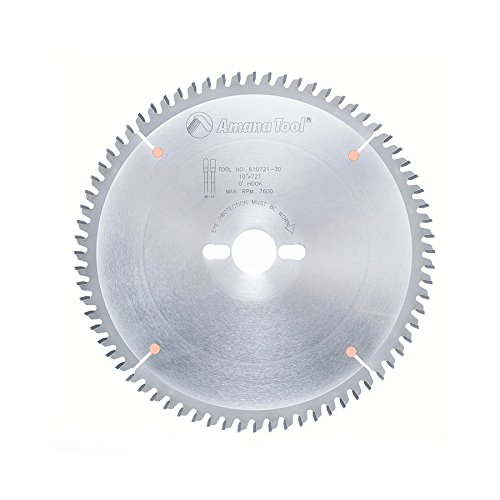
Amana Tool - 610721-30 Carbide Tipped Solid Surface 10" Dia ...
|
|
|
|
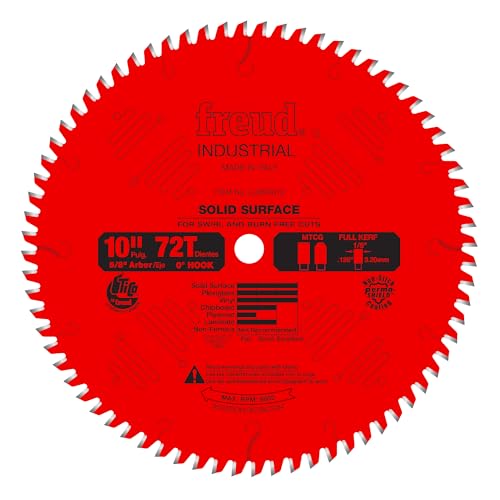
Freud LU95R010: 10" x 72T Solid Surface Blade
|
|
Expert Picks for the Best Blade for Cutting Corian
Every successful Corian cutting project starts with selecting the right blade. Explore options engineered to deliver clean, chip-free edges and lasting sharpness on solid surfaces.
1. ZORUNNA 2-Pack 4.5″ Diamond Tile Saw Blades for Precision Cutting with Angle Grinders
- Ultra-Thin Design for Precision - Featuring an innovative X-teeth turbo mesh rim, wet saw for tile...
- Enhanced Cutting Efficiency - Designed for both wet and dry cutting, the tile grinder blade ensure...
- High Safety Standards - Manufactured with robust materials, tile blade for angle grinder ensure a...
Achieving clean, precise cuts on dense surfaces demands a blade designed for accuracy and durability. The ZORUNNA diamond blades come with an ultra-thin profile and a unique X-teeth turbo mesh rim that reduces chipping and ensures smooth edges, even on tough materials like porcelain and granite.
Engineered to excel in both dry and wet conditions, these blades maintain high cutting speed without overheating, letting you switch from one surface to another without stopping for blade changes. The thicker core reduces vibrations and wobble, providing stable, controlled cuts even during extended use.
The diamond matrix on these blades enhances material removal while preserving blade longevity—a balance rarely seen in multi-purpose grinder blades. Compatibility with a range of angle grinders and tile saws adds flexibility for different tools on site or at home.
ZORUNNA’s focus on safety includes features that minimize sparks and burn marks, contributing to a cleaner and safer cutting experience. While primarily built for straight cuts, these blades deliver excellent finishes on ceramic, vitrified tile, and marble surfaces.
Compact yet robust, each blade measures 4.5 inches in diameter with 45 teeth, providing a blend of speed and fine detail necessary for meticulous renovation work.
Best for: Those who require high-precision, low-chipping blades for cutting hard tiles and solid surface materials with minimal downtime between tasks.
Pros:
- Ultra-thin design for refined, precise cuts
- Versatile use in wet and dry cutting modes
- Reduced vibrations for safer, steadier operation
- Durable diamond matrix extends cutting life
- Wide compatibility with angle grinders and tile saws
Cons:
- Requires careful handling to avoid twisting or side grinding which may impact blade life
2. IVY Classic 7-1/4-Inch 60 Tooth Laser Carbide Circular Saw Blade for Solid Surface Cutting
- Designed for cutting plastics, acrylic sheets, Plexiglas and solid surface materials such as: Corian...
- Triple chip ground large C4 modified tungsten carbide teeth, Laser Carbide (Registered Trademark)
- Industrial duty blade with fully hardened body - Rockwell Hardness 40 - 43 HRC

Cutting solid surfaces like Corian without chipping or melting demands more than just any blade. IVY Classic Industries engineered this 7-1/4-inch circular saw blade specifically for plastics and acrylics, ensuring smooth, precise cuts every time.
Featuring 60 triple chip ground tungsten carbide teeth, its robust design minimizes material damage and extends blade life. The fully hardened body rated at Rockwell Hardness 40-43 HRC tackles industrial demands while keeping accuracy intact.
Heat buildup often ruins cuts or warps blades. Incorporating expansion slots, this blade cleverly dissipates heat, maintaining consistent cutting performance without warping during prolonged use.
The 5/8-inch diamond knockout arbor fits most circular saws, making it easy to upgrade your cutting capabilities without hassle. Its kerf measures 0.110 inches with a -6 degree hook angle aimed at delivering cleaner edges on solid surface sheets.
Integrating these features, IVY Classic’s blade stands out by combining durability and finesse for anyone working with delicate, dense solid surface materials. Precision and longevity come together to elevate your project outcomes.
Best for: Craftsmen and DIY specialists who need reliable, chip-resistant blades for cutting acrylics and composite surfaces.
Pros:
- Optimized tooth design for clean, precise cuts in plastics and solid materials
- Heat-reducing expansion slots prevent warping during extended use
- Durable tungsten carbide teeth maintain sharpness over time
- Compatible with standard 5/8-inch arbor circular saws
- Industrial hardness ensures extended blade life
Cons:
- Kerf width may remove slightly more material than ultra-thin blades for fine work
3. Oshlun 10-Inch 72 Tooth TCG Saw Blade with Anti-Vibration and Carbide Edge
- Copper Plugged Expansion Slots
- Zero Degree hook angle
- Triple Chip Tooth Grind
Cutting solid surfaces with precision demands more than generic blades can offer. The Oshlun SBSS-100072 is crafted to maintain sharpness and stability under pressure thanks to its professional-grade C-4 carbide teeth, which resist dulling on tough materials.
Equipped with a innovative zero degree hook angle, this blade offers clean, chip-free cuts, ideal for detailed work on dense panels. The triple chip tooth grind further enhances cutting smoothness, reducing drag and heat buildup during operation.
Keeping vibration to a minimum is essential when working with sensitive surfaces. Oshlun integrates copper plugged expansion slots and anti-vibration features, preventing warping and ensuring a stable, vibration-free cutting experience.
Designed specifically for circular saws, the 5/8-inch arbor fits securely, promoting precise control throughout your task. Heavy-duty construction provides durability, making it a long-lasting component on your toolkit.
Available as a single unit, the SBSS-100072 manages to balance aggressive cutting capability with finesse, meeting the demanding needs of professionals without compromise.
Best for: Craftspeople and DIYers working with dense solid surfaces who require clean, accurate cuts and reduced material chipping.
Pros:
- Professional C-4 grade carbide teeth for longevity and sharpness
- Zero degree hook angle for smooth, controlled cuts
- Triple chip tooth grind reduces heat and wear
- Copper plugged expansion slots minimize vibration and warping
- Fits standard circular saws with 5/8-inch arbor
Cons:
- Blade weight may require steady handling for extended use
4. Amana Tool 610721-30 Carbide Tipped 10″ Solid Surface Saw Blade with 30mm Bore
- Carbide Tipped
- 30MM Bore
Cutting through dense, engineered solid surfaces demands precision that only a specialized saw blade can deliver. Designed specifically for hard, plastic-like countertop materials, this blade ensures every slice is smooth and accurate without chipping or melting.
Amana Tool’s craftsmanship shines through with a 72-tooth configuration that strikes a balance between clean cuts and efficient material removal. The carbide-tipped edges remain sharper longer, reducing the frequency of blade changes during intensive projects.
Its 10-inch diameter and 30mm bore perfectly suit most standard saws used for kitchen counters and other solid surface installations, promoting compatibility without compromise. The non-stick coating minimizes heat buildup and resin buildup, ensuring consistent cutting performance and less cleaning downtime.
Handling complex curves or straight cuts, this blade offers a premium edge on durability and finish quality. Its compact style keeps it manageable while maintaining professional-grade results, making it favored by both contractors and serious DIY renovators.
Amana Tool’s precision manufacturing results in a blade that efficiently slices through materials that often challenge ordinary blades, giving you the confidence to tackle projects demanding fine detail and reliability.
Best for: Professionals and DIY enthusiasts aiming for clean, precise cuts on engineered surfaces and specialized countertops.
Pros:
- Sharp, carbide-tipped teeth maintain cutting edge over time
- Non-stick coating reduces heat and resin accumulation
- 72 teeth designed for smooth, chip-free finishes
- Standard 30mm bore fits common saws for versatile use
- Compact design aids in maneuverability during cuts
Cons:
- High tooth count may slow cutting speed on thicker materials
- Compact style may require frequent cleaning to maintain peak performance
5. Freud 10-Inch 72T TCG Saw Blade for Precise Solid Surface Cutting
- Specs: Arbor 5/8", Diameter 10", Grind MTCG, Hook Angle 0°, Kerf .126", Plate .087", Teeth 72
- Premium TiCo HI-Density Carbide Plastic Blend for Maximum Performance
- Thin Kerf allows for faster feed rate and reduced waste
Navigating the challenge of cutting solid surface materials without chipping or splintering can be tougher than expected. Achieving perfectly smooth edges demands more than just any blade—it’s about the fine balance of tooth design and material composition. Freud’s LU95R010 blade steps into this space with features tailored for precision.
Crafted from a high-density carbide blend, it combines durability with performance, allowing you to maintain a consistent feed rate while minimizing waste. A particularly noteworthy advantage is the thin kerf, which supports faster cuts without stressing your saw motor.
Vibration often disrupts straight cuts and dulls a blade quickly, but with laser-cut anti-vibration slots, this model restricts movement that usually blurs precision. You get smoother cuts and a longer-lasting tool in one.
The Perma-Shield coating reduces friction and helps prevent residue buildup, making slicing through materials cleaner and blade upkeep easier over time. Freud’s attention to these details means your projects have a better chance for a professional, splinter-free finish.
While designed primarily for plastics and solid surface applications, its 72 teeth and 0° hook angle are optimized for controlled, stable cuts that professionals appreciate. Expect cleaner edges and enhanced blade longevity when matched with the right saw for your project.
Best for: Professionals and DIY enthusiasts requiring sharp, clean cuts on solid surface materials with minimal finishing work.
Pros:
- High-density carbide blend ensures strength and durability
- Laser-cut anti-vibration slots promote stability and crisp cuts
- Thin kerf design enables faster feed rates and reduces material waste
- Perma-Shield coating minimizes blade drag and buildup
- 72 teeth with a 0° hook angle for precision in solid surface cuts
Cons:
- May require matched saw setup to fully leverage thin kerf advantages
Key Specs Compared: Top Blades for Cutting Corian Precision
| Product Name | Diameter & Arbor | Teeth Count & Type | Material & Coating | Special Features |
|---|---|---|---|---|
| ZORUNNA 4.5″ Diamond Blade | 4.5″ Diameter, 7/8″ Arbor | 45 Teeth, X-teeth turbo rim | Diamond, Red color | Ultra-thin, Wet/Dry cuts, Less wobble |
| IVY Classic 7-1/4″ Laser Carbide | 7.25″ Diameter, 5/8″ Arbor | 60 Teeth, Triple chip grind | Plastic/Plastics | Expansion slots, Rockwell Hardness 40-43 |
| Oshlun 10″ 72 Tooth TCG | 10″ Diameter, 5/8″ Arbor | 72 Teeth, Triple chip grind | Carbide, Steel color | Copper plugged slots, Zero degree hook |
| Amana Tool 10″ Carbide Tipped | 10″ Diameter, 30mm Bore | 72 Teeth | Carbide, Non-stick coated | Compact, Carbide tipped |
| Freud LU95R010 10″ Solid Surface | 10″ Diameter, 5/8″ Arbor | 72 Teeth, MTCG grind | Plastic blend, Perma-Shield coated | Anti-vibration slots, Thin kerf |
What Makes a Blade Truly Ideal for Cutting Corian?

Choosing the right blade for Corian solid surface materials isn’t just about size or brand—it’s about the interplay of design, material composition, and cutting technology. Knowing exactly what to look for can transform a frustrating project into a smooth, professional experience.
Blade Material and Coating
The core material and coating of a blade dictate its cutting efficiency and lifespan when working with Corian. Blade metals like carbide and diamond provide hardness and wear resistance essential for solid surfaces. Diamond-coated blades excel on extremely dense materials, while carbide tips strike a balance of sharpness and durability. Coatings such as non-stick or Perma-Shield reduce heat and prevent material build-up on the blade’s edge.
Technical differences include carbide’s ability to maintain sharp edges under abrasive loads and diamond’s superabrasive surface that slices through hard materials with minimal degradation. Non-stick coatings lower friction, which keeps temperatures down and prevents melting or chipping of Corian during high-speed cuts.
Ignoring blade material and coating can lead to rapid dulling, heat-induced damage, and rough, chipped edges on the Corian surface, undermining both the aesthetic and structural qualities of your countertop or project.
Tooth Count and Geometry
Tooth count and shape are crucial for cutting solid surfaces cleanly. A higher tooth count generally results in smoother cuts by distributing cutting forces evenly and minimizing splintering. Tooth geometry types like Triple Chip Grind (TCG) or Triple Chip Ground (TCG) are designed specifically to reduce chipping and improve cut quality on dense plastic-like surfaces.
For example, blades with 60 to 72 teeth use alternating flat and trapeze-shaped teeth, which scrape and slice, reducing jagged edges. Laser-cut anti-vibration slots combined with higher tooth counts lessen vibrations, improving precision. A zero-degree hook angle further enhances control, avoiding aggressive feed that can damage delicate Corian.
Using a blade with insufficient teeth or improper geometry risks rough cuts, chipping, and material fractures, forcing extra sanding and finish work that could have been avoided.
Blade Diameter and Arbor Compatibility
The diameter and arbor size directly affect power transfer and fitment on your saw. Matching the blade diameter to your tool ensures optimal rotational speed and cutting capacity. Arbor size compatibility avoids dangerous wobbling or imprecise fits, which can generate heat, vibration, and uneven cuts on Corian sheets.
Common diameters for Corian blades range from 4.5 inches for angle grinders to 10 inches for circular saws and table saws. Arbor sizes typically include 5/8″, 7/8″, and 30mm, which must align exactly with your saw’s spindle. Expansion slots in blade steel accommodate thermal expansion, preventing warping.
Failing to use the correct diameter or arbor not only compromises cut quality but also risks tool damage and user safety due to blade instability or binding.
Cutting Conditions: Wet vs. Dry Cutting
Corian blades may be designed for wet cutting, dry cutting, or both, affecting their application and longevity. Wet cutting uses water to cool the blade, reduce dust, and minimize heat buildup, which is beneficial when cutting thick or large Corian slabs. Dry cutting offers convenience but demands blades engineered to dissipate heat efficiently to avoid melting or chipping.
Diamond-coated blades like the ZORUNNA model are versatile, capable of wet and dry usage due to their heat-resistant turbo rim design. Carbide blades usually require dry cutting with intermittent pauses to avoid overheating. Slotting and blade thickness also influence heat management and chip clearance.
Using a dry-only blade for wet cutting—or vice versa—can cause premature blade damage, degraded cut quality, and hazardous dust conditions, complicating your project and cleanup.
Anti-Vibration Features and Blade Stability
Vibration control integrated into blade design enhances cut precision and user comfort. Features such as copper or expansion slots and anti-vibration inserts reduce chatter and blade wobble, which are typical culprits of rough Corian edges and uneven cuts.
For instance, blades like the Oshlun and Freud models incorporate copper plugged slots or laser-cut anti-vibration channels to maintain blade rigidity while absorbing stress. Stability ensures a consistent feed rate and smooth stroke, translating into flat cuts without the need for extensive post-processing.
Neglecting anti-vibration can lead to fatigue, inaccurate cuts, and material damage. Over time, vibration hastens blade wear, compromising the effectiveness and safety of your cutting tool.
Blade Kerf Thickness
Kerf refers to the width of material removed by the blade during cutting. For Corian, a thinner kerf is generally preferred because it reduces waste and demands less power from your saw. Thin kerf blades slice cleanly, requiring less force and minimizing heat buildup that can damage the surface.
Professional solid surface blades typically offer a thin kerf profile, sometimes under 1.5 mm, optimized alongside tooth design to balance durability and smoothness. Thicker kerf blades may be more stable but can cause more chipping and uneven cuts due to higher material displacement and cutting forces.
Choosing a blade with an inappropriate kerf for your tool or material thickness may cause rough edges, increased sanding time, and inefficient blade performance, hindering your ability to achieve a polished finish.
Blade Tooth Material Hardness and Heat Resistance
The hardness of the tooth material, often measured by Rockwell Hardness (HRC), and the blade’s ability to resist heat accumulation are fundamental for working with heat-sensitive solid surfaces like Corian. This factor governs how long the blade stays sharp and prevents thermal damage to both blade and material.
Blades with tungsten carbide teeth graded around 40-43 HRC provide a sweet spot for balancing toughness and heat resistance. Specialized coatings and laser-cut expansion slots reduce thermal expansion, preventing warping. Heat resistance is crucial because excessive warming can soften Corian edges, causing melting and melt slag residue.
Ignoring hardness and heat dissipation capabilities accelerates blade dulling, destroys cutting precision, and risks permanent damage to the Corian edge, making refinishing necessary.
Frequently Asked Questions
What is the best type of saw blade for cutting Corian?
Carbide-tipped blades with a high tooth count and specifically designed tooth geometry work best for cutting Corian. These features reduce chipping and heat buildup, which are common issues with dense solid surfaces. For instance, blades like the 10-inch 72-tooth triple chip grind blades excel in delivering clean, smooth cuts.
Choosing a blade with anti-vibration features or triple chip grind enhances precision and extends blade life. This reduces rough edges that are problematic when working with solid surfaces like Corian.
Always ensure your blade matches your saw’s arbor size and use the blade at recommended speeds to avoid melting or chipping.
Can diamond blades be used to cut Corian countertops?
Diamond blades are capable of cutting Corian, especially thinner sheets or sections requiring precision cuts without chip damage. Their hardness and ultra-thin profiles help maintain edge smoothness. The ZORUNNA 4.5″ diamond blades with turbo mesh rims are good examples for such tasks.
However, diamond blades are traditionally designed for stone, tile, and masonry, so their cutting speed and wear might differ when used on acrylic solid surfaces, requiring some trial and adjustment.
Use wet cutting techniques and moderate feed pressure to reduce overheating and premature blade wear during Corian cutting.
How many teeth should a saw blade have for cutting Corian?
Saw blades for Corian typically have between 60 to 72 teeth. Higher tooth counts produce a smoother edge by minimizing tear-out or chipping during the cut. For example, blades like the IVY Classic with 60 teeth and Amana Tool with 72 teeth deliver finer finishes.
A blade with fewer teeth risks rougher cuts and more sanding afterward, while a blade with excessive teeth might slow the cutting process without significant finish improvement.
Match the tooth count with your cutting speed and material thickness for best results, avoiding pushing the blade too fast.
What precautions help prevent melting or chipping when cutting Corian?
Managing cutting speed and blade type is key to avoiding melting and chipping with Corian. Carbide-tipped blades with triple chip grind teeth reduce friction and heat. Additionally, using wet cutting or coolant methods minimizes overheating.
Maintaining a clean, sharp blade prevents drag and reduces the chance of causing rough edges or heat buildup, which can lead to surface damage.
Avoid forcing the blade through the material; instead, apply steady, controlled pressure to ensure a smooth cut without heat-related defects.
How do I maintain a saw blade for optimal Corian cutting performance?
Regularly cleaning resin and dust buildup from the blade and checking for dull teeth are vital. A sharp blade cuts cleanly without excessive heat or chipping. Blades with coatings, such as non-stick or Perma-Shield, require gentle cleaning to preserve their surface.
For example, Amana and Freud blades benefit from periodic inspection to remove accumulated solid surface dust that can cause uneven cuts.
Store blades properly and avoid cutting metal or abrasive materials with them to extend blade life and maintain cutting quality on Corian.
Selecting Blades That Perfectly Suit Your Corian Projects
Using the ideal blade significantly improves the quality of Corian cuts, preventing chips and delivering smooth edges. Specialized blades, such as those with diamond grit or triple chip grind, offer enhanced sharpness and durability that elevate the entire cutting process.
Home DIYers benefit from thin diamond blades for detailed cuts, while professionals handling thick Corian slabs prefer robust carbide-tipped blades that provide stability and efficiency on powerful saws.
Always ensure your blade fits securely to avoid inaccuracies and hazards, and keep blades cool during cutting to maintain their sharpness. Wearing protective gear and applying steady pressure is essential for both safety and precision.
Last update on 2026-10-08 / Affiliate links / Images from Amazon Product Advertising API