How to Remove Construction Adhesive: Easy DIY Guide
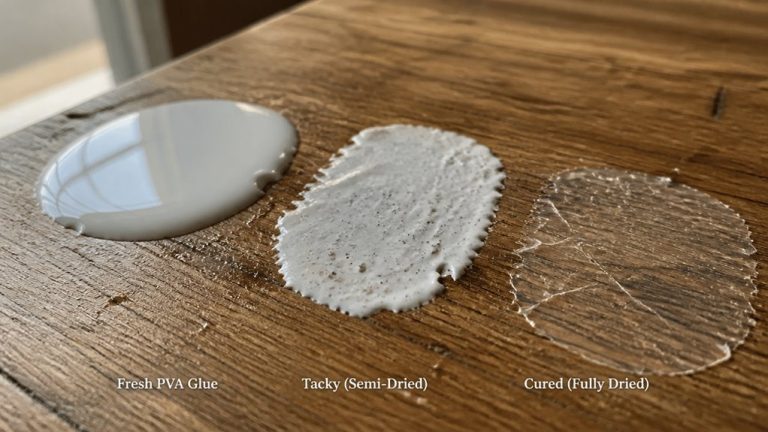
To remove construction adhesive, start by softening it with heat using a hairdryer or heat gun. Keep the temperature above 140°F but avoid damage.
Next, scrape gently with a metal or plastic scraper suited to your surface, applying light pressure. Use a suitable solvent sparingly to dissolve any residue, always wearing gloves and eye protection.
Afterward, clean the area with mild soap and water. Following these steps guarantees safe, effective removal and prepares you to tackle tougher adhesive challenges.
Key Takeaways
- Wear gloves and eye protection, and work in a well-ventilated area to ensure safety when handling adhesives and solvents.
- Soften dried adhesive by applying heat above 140°F using a hairdryer or heat gun before attempting removal.
- Use appropriate scrapers: metal for tough surfaces, plastic for delicate ones, applying light, steady pressure to avoid damage.
- Apply solvent sparingly to dissolve residue, test on a hidden spot first, then wipe away softened adhesive promptly.
- Clean the surface post-removal with mineral spirits, followed by mild soap and water, and dry completely before reuse.
How to Soften Construction Adhesive Using Heat?

Applying heat is one of the most effective ways to soften construction adhesive for easier removal.
You can use a hairdryer, electric heat gun, or propane torch to maintain temperatures above 140°F, which makes the dried adhesive malleable.
Start by directing warm air at the adhesive’s center until it begins to soften.
Then move the heat around the edges to expand the softened area.
Be careful to avoid overheating, which might damage the surface beneath.
A blow dryer works well for delicate surfaces since it produces gentle, controlled heat.
For stubborn spots, applying petroleum jelly or mineral spirits for 12 hours to a full day before heating can further loosen the bond.
This method prepares the adhesive perfectly for subsequent removal without causing surface harm.
For woodworking projects requiring precision and minimal damage, using tools with adjustable depth control ensures safer handling around delicate surfaces.
How to Scrape Off Hardened Adhesive?
When it comes to scraping off hardened adhesive, picking the right scraper is key. If you’re dealing with tough adhesives, metal scrapers are your best bet. But, if you’re working on delicate surfaces, go for a plastic scraper to avoid any damage.
Now, here’s a little tip: use a low-angle approach. This means holding the scraper close to the surface when you start. Just apply light pressure as you lift the adhesive. This way, you’ll minimize the risk of scratching or splintering the surface.
Mastering these techniques will help you remove that stubborn adhesive efficiently and safely! For best results, ensure the surface is clean and dry before scraping to prevent damage and improve effectiveness of the surface preparation.
Choosing Proper Scrapers
Select scrapers that match the surface and adhesive thickness to prevent damage while maximizing removal efficiency. Using the right tool guarantees you remove the adhesive cleanly without scratching or splintering underlying materials. For thin layers, opt for flexible plastic scrapers. For thicker, tougher adhesive, choose heavy-duty metal scrapers or putty knives.
Consider the surface hardness before selecting a scraper. Use plastic scrapers for delicate surfaces like painted wood or drywall. Choose metal scrapers with a sharp, flat edge for thick or hardened adhesive. Employ long-handled floor scrapers for large, flat areas. Select angled putty knives to reach tight corners and edges. Avoid excessively sharp tools on soft materials to prevent gouging.
Picking the right scraper is key to efficient, damage-free adhesive removal. Gently scraping off softened glue with a dull scraper is recommended to avoid fabric damage when dealing with hardened adhesive.
Applying Effective Scraping Techniques
Start by positioning your scraper at a low angle to gently lift and shear off the hardened adhesive without damaging the surface beneath.
Apply light, steady pressure to avoid gouging or scratching.
For thicker glue layers, use a heavy-duty metal scraper or a long-handled floor scraper, working slowly to chip away stubborn spots.
If the adhesive resists, soften it with heat or a solvent before scraping.
Switch to a plastic scraper or fine-grit sandpaper for delicate surfaces or small residues.
Always scrape in one direction to prevent splintering wood or damaging finishes.
Clean the scraper frequently to maintain effectiveness and avoid spreading residue.
Understanding the different adhesive types can help you choose the best removal method for your project.
How to Use Solvents to Remove Adhesive Residue?
When adhesive residue proves stubborn after scraping and heating, applying the right solvent can break down its chemical bonds effectively. You’ll want to select solvents like acetone, epoxy solvent, or Spirits of Salt, depending on the adhesive type.
Apply sparingly with a brush and let it sit for about an hour to dissolve the residue. Follow these steps for best results:
Test the solvent on a hidden area first to avoid damage. Dab acetone carefully to prevent surface discoloration. Use a brush to spread solvent evenly over residue. Wipe away softened adhesive immediately to prevent re-bonding. Clean the surface with mineral spirits or mild soap and water after removal.
This approach guarantees thorough adhesive breakdown without harming the surface. Construction adhesives are formulated to withstand environmental stresses effectively, so understanding their water resistance can help in selecting the most appropriate solvent.
Safety Tips for Using Adhesive Removers
Handling adhesive removers demands care to protect yourself and the surfaces involved. Always wear gloves and eye protection to avoid chemical burns and irritation.
Work in a well-ventilated area to minimize inhaling harmful fumes. Test the remover on a small, hidden spot first to check for surface damage or discoloration.
Avoid soaking materials excessively to prevent warping or staining. Keep adhesive removers away from open flames, as many are flammable.
Choosing an adhesive remover compatible with the materials is crucial to avoid weakening the vinyl-to-wood bond.
| Safety Tip | Reason |
|---|---|
| Wear gloves and goggles | Protect skin and eyes |
| Ensure good ventilation | Prevent inhalation of fumes |
| Test on small area first | Avoid surface damage |
| Avoid excessive soaking | Prevent material warping/staining |
| Keep away from open flames | Reduce fire risk |
How to Prepare and Clean Surfaces After Adhesive Removal?
After removing construction adhesive, you’ll want to thoroughly clean the surface to make certain no residue interferes with new finishes or bonding. Residual adhesive can compromise the adhesion of paints, sealants, or new glue applications, so a proper cleanup is critical.
Start by wiping the surface with mineral spirits or a damp cloth to remove leftover particles. Follow up with a mild soap and water wash to clear any solvent traces. Dry the area completely to avoid moisture issues.
Here’s how to prepare and clean effectively:
- Use a clean cloth dampened with mineral spirits to remove sticky residue.
- Wash the surface with mild soap and water to eliminate solvent remnants.
- Rinse thoroughly and blot dry to prevent moisture buildup.
- Avoid abrasive tools that might damage the surface finish.
- Test cleanliness by running your hand over the area; it should feel smooth and residue-free.
Using tools with ultra-thin kerf blades can help reduce surface damage during adhesive removal for a smoother finish.
Removing Adhesive From Concrete and Skin?
To remove adhesive from concrete, start by softening the glue with a heat gun or propane torch.
Then chip it away using a putty knife or scraper.
Work carefully to avoid damaging the concrete surface.
For stubborn spots, apply a solvent-soaked cloth covered with plastic wrap to break down residue before scraping again.
When adhesive sticks to your skin, soak the area in warm, soapy water for 5 to 10 minutes to soften the glue.
Gently peel or rub the adhesive off, avoiding harsh chemicals that can irritate your skin.
After removal, wash the area with mild soap and water.
Always wear gloves when handling solvents and protect your eyes during concrete removal to guarantee safe and effective adhesive removal.
Using proper protective equipment is important to avoid inhaling dust particles that can cause respiratory issues.
Frequently Asked Questions
Can Construction Adhesive Damage Painted Surfaces During Removal?
Yes, construction adhesive can damage painted surfaces during removal if you’re not careful.
Scraping too hard or using harsh solvents can peel or discolor the paint.
To protect your surface, always test removers on a small hidden spot first.
Use gentle scraping tools and apply heat or solvents sparingly.
Wearing gloves and working in a well-ventilated area also helps you avoid mistakes that could ruin your paint finish.
What Is the Best Adhesive Remover for Outdoor Use?
Don’t worry about harsh chemicals ruining your outdoor surfaces; the best adhesive remover for outdoor use is a solvent-based remover formulated specifically for construction adhesive.
These products dissolve tough residues without damaging concrete or metal.
Just apply, wait about an hour, then scrape gently.
Remember to test a small area first, wear gloves, and work in a ventilated space.
This guarantees effective removal while protecting your outdoor materials.
How Long Does It Take for Adhesive Removers to Work Effectively?
You’ll generally need to wait about one hour for adhesive removers to work effectively.
This gives the solvent enough time to break down the chemical bonds in the adhesive.
Be sure to follow the product instructions closely and test a small area first to avoid damage.
If the adhesive is thick or stubborn, you might need to reapply and wait longer for better results.
Always work in a well-ventilated area.
Are There Eco-Friendly Alternatives to Chemical Adhesive Removers?
You don’t need to summon a chemical storm; nature offers solutions.
Vinegar and soap solutions act as gentle warriors against mild adhesive residue, perfect for sensitive surfaces.
Warm soapy water can soften adhesive on skin, letting you peel it away with ease.
These eco-friendly alternatives minimize harm, keeping your workspace and planet safer.
They won’t dissolve stubborn glue instantly but work well with patience and some elbow grease.
Can Adhesive Removal Techniques Be Used on Fabric or Upholstery?
You can use adhesive removal techniques on fabric or upholstery, but you need extra caution. Avoid harsh heat or strong solvents that might damage fibers or colors.
Test any solvent on a hidden spot first. Use gentle methods like warm soapy water or mild vinegar solutions for residue.
Mechanical scraping should be very light to prevent tearing. Always prioritize fabric care instructions to guarantee safe and effective adhesive removal.
The Secret to Easy Construction Adhesive Removal
You’ll find that softening, scraping, and using solvents work together to tackle construction adhesive efficiently.
Heat loosens, scraping removes, and solvents clean up the residue. All steps you can handle with care and safety.
Remember, prepping and cleaning your surfaces afterward guarantees a smooth finish. Whether it’s concrete or skin, the right method makes removal manageable.
So, take your time, follow these steps, and you’ll have adhesive-free surfaces in no time.