Can You Chainsaw in the Rain? Safe Tips You Must Know
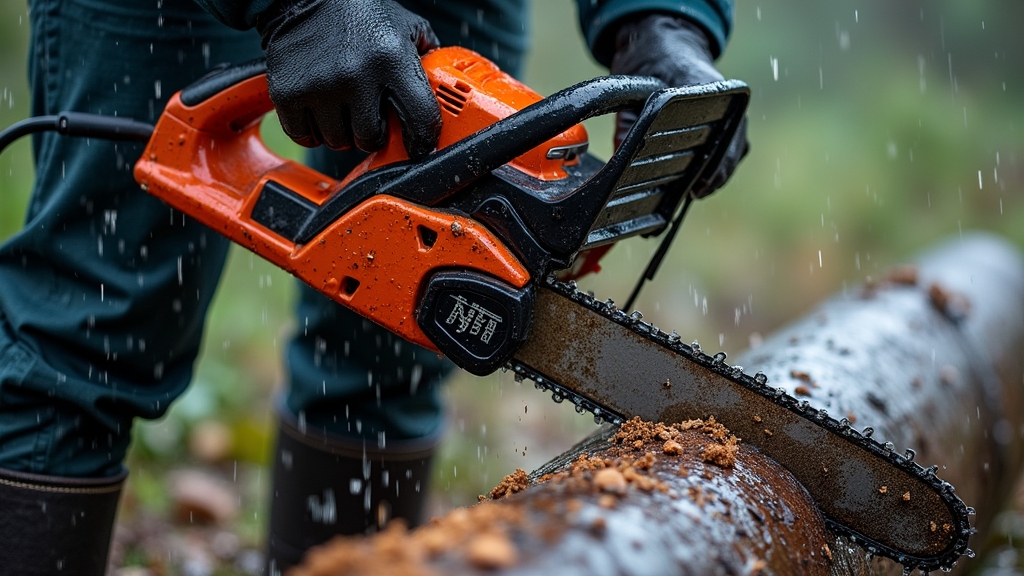
You can use a chainsaw in the rain, but only with strict safety measures and proper equipment. Avoid electric, corded chainsaws due to electrocution risks, and choose gasoline models with weather-resistant designs instead.
Wear non-slip, waterproof PPE and maintain firm footing on slippery ground. Keep visibility clear and be cautious of unstable terrain and falling debris.
Regularly inspect and dry your chainsaw to prevent malfunctions. Understanding these precautions helps guarantee safe operation under wet conditions and guides how to manage associated hazards effectively.
Key Takeaways
- Chainsaw use in rain increases risks of slips, reduced visibility, and control loss, requiring extra caution and stable footing.
- Gasoline chainsaws are safer in wet conditions as they don’t rely on electricity, reducing electrocution hazards.
- Avoid operating chainsaws during heavy rain, thunderstorms, or on flooded, unstable terrain to prevent accidents.
- Use waterproof or weather-resistant chainsaws, keep equipment dry when idle, and follow manufacturer wet-weather guidelines.
- Prioritize safety by wearing non-slip PPE, using chain brakes, maintaining firm grip, and stopping work if conditions worsen.
Risks of Using Electric Chainsaws in Wet Conditions
Although electric chainsaws offer convenience, using them in wet conditions poses significant risks that you must never overlook.
Water’s conductivity drastically raises the chance of electrocution, especially with corded models during rain or even light drizzle.
Moisture can breach electrical components, compromising safety despite GFCI protection, which only reduces risk without eliminating it. It is crucial to understand the electric brake safety mechanisms that may be compromised in wet environments.
You should never operate corded chainsaws outdoors when wet, as the lethal combination of water and electricity endangers you.
Additionally, moisture can damage internal systems in cordless chainsaws lacking proper sealing, leading to malfunctions.
Rubber gloves and footwear offer limited defense, so relying on personal protective equipment alone won’t suffice.
Furthermore, wet terrain increases the risk of slipping and losing control while operating electric chainsaws, adding to the danger of using them in rain.
Follow manufacturer warnings strictly, and avoid using electric chainsaws in rain to prevent electrical hazards and equipment failure.
Advantages of Gasoline Chainsaws for Rainy Weather
Gasoline chainsaws offer several clear advantages for operation in rainy weather, making them a safer and more reliable choice compared to electric models. Their water-resistant engine design minimizes internal moisture penetration, ensuring consistent performance even in heavy rain. The spark plug ignition system is strategically positioned away from the cutting area, reducing electrical exposure.
Unlike electric chainsaws, gasoline models eliminate electrocution risks since they operate independently of electrical currents and cords, which can become hazardous when wet. Additionally, gasoline chainsaws maintain cutting efficiency in wet conditions; wet wood acts as a natural lubricant, reducing friction and enhancing cutting speed.
Their portability and weather resilience allow you to work without concern for moisture-related failures. It is important to conduct pre-use maintenance to ensure chain sharpness and tension before operating in rainy conditions. Rear handle saws, known for their enhanced control and stability, exemplify how design influences performance in challenging environments.
Hazards of Slippery and Muddy Surfaces
While gasoline chainsaws handle wet conditions better than electric models, working on slippery and muddy surfaces introduces significant hazards. You face increased risks of slips, falls, and compromised control, heightening potential injuries. It is essential to maintain a secure two-hand grip and ensure good balance and footing to minimize these risks.
Maintaining stable footing is critical; unstable ground worsens kickback risks and slows your response. Regularly inspecting and maintaining your equipment, including blade tension, helps ensure safer operation. Use the chain brake when moving and wear non-slip PPE to reduce danger.
| Hazard | Emotional Impact |
|---|---|
| Slipping/falling | Fear of serious injury |
| Hidden obstacles | Anxiety and surprise |
| Kickback risk | Sudden shock |
| Fatigue | Frustration and stress |
Impact of Rain on Visibility and Environmental Safety
Hey there! So, when you’re out there operating a chainsaw in the rain, you really need to keep in mind that visibility can take a nosedive. This means you might miss spotting some serious hazards, like unstable branches or even someone nearby. It’s just not worth the risk! Using protective gear with good visibility can help mitigate these issues in wet conditions.
And let’s not forget about the environmental noise. When it’s pouring rain and there’s thunder rumbling, it can drown out important sounds around you. You mightn’t hear someone shouting a warning or even the chainsaw itself. While most chainsaws operate fine in heavy rain, it’s still crucial to be cautious.
That’s why, in those wet conditions, it’s super important to ramp up your caution and stay alert! Stay safe out there! Using an air filtration system can also help maintain clearer breathing in damp, dusty environments.
Reduced Visibility Hazards
Although rain may seem like a minor inconvenience, it drastically reduces your visibility when operating a chainsaw, increasing the risk of accidents.
Heavy rainfall obscures your view of the chainsaw blade and cutting area, making it harder to identify hazards like branches or debris. This impaired visibility compromises your situational awareness, delaying recognition of shifting limbs or unstable trees.
As a result, you risk inaccurate cuts, accidental contact with unintended objects, and slipping on unseen obstacles. It is important to note that different chainsaw designs, such as direct drive systems, may affect user control under such conditions.
Using a gas-powered chainsaw is generally safer in wet conditions, but it does not eliminate the risk of slipping caused by reduced visibility and wet surfaces.
To counter these hazards, wear high-visibility clothing and protective eyewear with face shields to improve clarity.
Slow your pace, pause frequently to reassess surroundings, and use markers to define safe zones.
If visibility deteriorates too much, stop operations immediately to ensure safety.
Environmental Risk Factors
Because rain transforms terrain and environmental conditions, you face increased risks while operating a chainsaw outdoors. Wet, slippery surfaces compromise your footing, and unpredictable winds can cause sudden falling branches. It is crucial to adjust chain tension regularly to maintain safe operation in changing conditions.
Additionally, exposure to moisture threatens your equipment’s functionality. Environmental factors can hamper debris management. It is also important to assess ground conditions and avoid working on slippery, flooded, or unstable terrain for safety.
Keep these key safety points in mind:
Wear footwear with good traction and anti-slip gear to maintain stability on wet, uneven ground.
Monitor weather conditions closely; avoid work during high winds or lightning.
Protect electric or battery-powered chainsaws from moisture to prevent short circuits.
Regularly clear wet sawdust and debris to maintain cutting efficiency and reduce mechanical wear.
Essential Personal Protective Equipment for Rainy Chainsaw Use

When you’re out chainsawing in the rain, it’s super important to have the right gear on. First off, make sure you’ve got waterproof, insulated boots. You really want those with strong traction so you can keep your footing on that slippery, wet ground. It can get tricky out there, and you don’t want to take a spill! Wearing a dust mask with water-resistant filtration can also help keep airborne particles from wet wood out of your lungs.
Next up, don’t forget about your eyes. Protective eyewear is a must! It’s best if you can find some that come with a helmet and a rain visor. This way, you’ll be shielded from not just the rain, but also any debris or flying sawdust that could come your way. Additionally, always wear gloves with good grip to safely handle tools in wet conditions.
Waterproof Footwear Benefits
Selecting waterproof chainsaw boots is essential for maintaining safety and comfort during rainy conditions. These boots keep your feet dry, reducing infection risks from wet, contaminated surfaces and preventing discomfort during long outdoor tasks.
They are designed with specialised protective footwear features that prevent serious foot injuries caused by chainsaw accidents. Their ergonomic design also supports better control and reduces fatigue when working in challenging environments.
They incorporate advanced materials like Gore-Tex for waterproof breathability and durable treatments to maintain water resistance. You benefit from enhanced grip and stability on slippery terrain, which is critical for controlling your chainsaw safely.
Key benefits include:
Cut-resistant layers and steel toe caps protect against chainsaw injuries and crushing hazards. Slip-resistant soles provide reliable traction on wet, uneven ground. Reinforced construction supports ankles and meets logging safety standards.
Cushioning and breathable linings ensure long-term comfort and reduce fatigue in damp environments. Choosing the right waterproof boots helps you work efficiently and safely in rainy weather.
Protective Eyewear Importance
Although rainy conditions can obscure vision and increase hazards, wearing proper protective eyewear remains critical when operating a chainsaw. You need ANSI Z87.1-certified eyewear with polycarbonate lenses for impact resistance and UV protection, even on cloudy days.
Side and top shields prevent debris from entering your eyes, while anti-fog coatings or wire-mesh designs maintain clear visibility in humid, rainy environments. Regular glasses won’t protect you from flying particles or chainsaw debris, which can cause severe injury or vision loss.
Consider wire-mesh goggles or full-face visors integrated into helmets for enhanced protection and ventilation. Ensuring your eyewear has impact resistance and passes both high velocity and high mass impact tests is essential for reliable safety.
Confirm your eyewear fits securely and comfortably to avoid slippage. Always verify compliance with ANSI Z87.1 and relevant regional standards to guarantee maximum safety during chainsaw operation in wet conditions. Additionally, managing dust generation is crucial even in rainy weather, as debris can still impair vision and breathing while using a chainsaw.
Maintenance Tips for Chainsaws After Rain Exposure
When a chainsaw gets wet, prompt and thorough maintenance is crucial to prevent damage and guarantee safe operation.
Start by drying all surfaces immediately, paying close attention to the engine, motor, and chain areas. Remove the cover and air dry the unit in a well-ventilated space to eliminate moisture from crevices. It is important to check chain tension after drying to ensure safe and efficient operation. Regular maintenance, including proper drying, can significantly reduce the risk of rust and corrosion.
Dry all surfaces promptly, focusing on engine, motor, and chain; air dry in a ventilated area to remove moisture.
Next, focus on the chain and guide bar. Clean off debris, apply fresh chain oil, and check for damage or rust.
To maintain ideal performance, inspect all components for rust or deterioration and treat affected areas promptly.
Clean or replace the air filter to avoid engine choking caused by moisture. Verify fuel and oil levels, checking for water contamination in the fuel tank.
Store the chainsaw dry and elevated, using a protective case if available. Following these steps ensures your chainsaw remains safe and reliable after rain exposure.
Best Practices to Minimize Rain-Related Chainsaw Risks
To minimize rain-related risks while operating a chainsaw, you must choose the right equipment and gear designed for wet conditions.
Opt for cordless battery-powered or waterproof models with built-in safety features like throttle control and anti-vibration systems.
Avoid corded electric chainsaws due to electric shock hazards.
Equip yourself with non-slip waterproof gloves, steel-toe waterproof boots, anti-fog eye protection, breathable rain gear, and a helmet with a face shield and ear protection. Using essential safety equipment significantly reduces the risk of injury during chainsaw operation.
Shield your chainsaw from direct rain using tarps and position it on dry surfaces when idle.
Operate with a firm two-handed grip, use slow, controlled cutting motions, and take frequent breaks to prevent fatigue.
Maintain heightened awareness of slippery terrain and reduced visibility to avoid loss of control or injury during rainy conditions.
Assessing When It’s Safe to Operate a Chainsaw in the Rain
Since operating a chainsaw in rainy conditions involves multiple hazards, you must carefully evaluate both environmental factors and equipment capabilities before proceeding.
Assess the type of chainsaw you’re using, as gas-powered models handle moisture better than electric or cordless versions, which pose higher risks. It is also important to perform thorough post-use maintenance to prevent rust and clogging that wet conditions can cause.
Consider environmental hazards like slippery terrain, reduced visibility, and unpredictable wind.
Finally, gauge your physical condition, since wet conditions accelerate fatigue and impair grip.
Key factors to assess include:
- Chainsaw type and water resistance features
- Terrain stability and visibility conditions
- Weather severity, including wind and flooding risks
- Your physical readiness and ability to maintain control safely
Only proceed if all conditions align with safe operation standards to minimize accident risks.
Frequently Asked Questions
Can I Use Chainsaw Oil Specially Designed for Wet Weather Conditions?
Yes, you can and should use chainsaw oil designed for wet weather conditions.
This oil has higher viscosity and additives that guarantee better adhesion to your chain and bar, preventing wash-off by rain.
It also includes rust inhibitors to protect metal components.
Using wet weather oil maintains lubrication, reduces wear, and enhances cutting efficiency in rainy environments.
Always apply it properly and monitor oil levels frequently during wet operations for ideal safety and performance.
How Does Rain Affect Chainsaw Chain Tension and Adjustment?
Rain can tighten your chainsaw chain like a vice grip due to moisture causing sawdust to clump and increase binding risks.
You should loosen the chain slightly in wet conditions to prevent jamming and potential kickback.
Always check and adjust tension before and after use, since wet debris and swelling can alter tension rapidly.
Proper tensioning guarantees safe operation and reduces engine stalling, keeping your work efficient and hazard-free.
Are There Specific Chainsaw Brands Better Suited for Rainy Climates?
Yes, brands like Husqvarna, Echo, and STIHL offer chainsaws specifically designed for rainy climates with features such as advanced sealing, Air Injection™ technology, and moisture-resistant electronics.
Battery-powered models from Greenworks and Ego Power+ excel in wet conditions due to sealed compartments and no fuel-related moisture issues.
Selecting these brands guarantees safer, more dependable operation in rain, but always perform proper maintenance to prevent corrosion and maintain chain tension.
What Are Signs of Water Damage Inside a Chainsaw Motor?
Think of your chainsaw motor as a fortress: water is the invading army. You’ll notice wet or fuel-soaked spark plugs, sticky pull-start resistance, or a strong gasoline smell. These signal breach.
Erratic throttle, sputtering, or failure to start means the fortress is compromised. Look for corrosion, leaking fuel, or flooded carburetor parts; these warn of internal damage.
Address these signs immediately to prevent rust, mechanical failure, or safety hazards.
Can Rainwater Cause Rust on Chainsaw Components Over Time?
Yes, rainwater can cause rust on chainsaw components over time. When moisture lingers on the bar, chain, or sprocket, it accelerates oxidation, leading to corrosion.
You should dry these parts immediately after exposure and apply a thin layer of chainsaw oil to prevent rust formation.
Neglecting this maintenance can reduce cutting efficiency, cause chain binding, and permanently damage your chainsaw, compromising safety and functionality.
Regular inspections and proper storage are essential.
Take the Next Step Toward Safer Rain-Ready Chainsaw Use
You shouldn’t take chainsaw use in the rain lightly. It’s like walking a tightrope over safety hazards. Electric chainsaws risk electric shock, while slippery terrain and poor visibility compound dangers.
Always gear up with proper PPE and inspect your saw thoroughly after exposure. When in doubt, wait for drier conditions to protect yourself and your equipment.
Prioritize caution to cut through risks, not safety, every time you work in wet weather.