Can You Stain Bamboo: Step-by-Step Guide for Best Results
Yes, you can stain bamboo, but its dense, waxy surface requires proper preparation for ideal results.
You’ll need to clean and sand the bamboo to remove the waxy layer, ensuring even stain absorption.
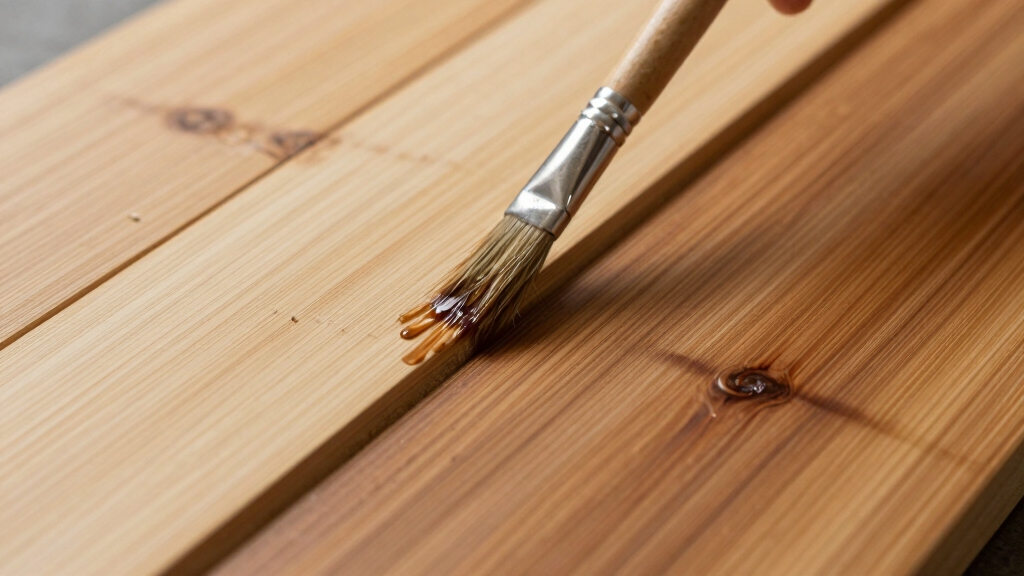
Apply thin, even coats using circular motions, wiping off excess promptly to avoid blotchiness.
Multiple coats enhance color depth without oversaturation.
Sealing afterward improves durability. Understanding these steps helps you achieve a consistent, vibrant finish and prevents common staining issues.
Key Takeaways
- Bamboo can be stained, but its dense, waxy surface requires thorough sanding to ensure stain absorption and even color.
- Applying thin, even coats and wiping off excess stain immediately helps prevent blotchiness and uneven color.
- Testing stain on a small, inconspicuous area is essential to gauge color outcome and uniformity before full application.
- Using alcohol-based dyes or multiple thin coats improves vibrant, consistent coloration and avoids overstaining dense bamboo fibers.
- After staining, sealing bamboo with varnish or tung oil enhances durability, moisture resistance, and protects the finish.
Can You Stain Bamboo? What to Expect?
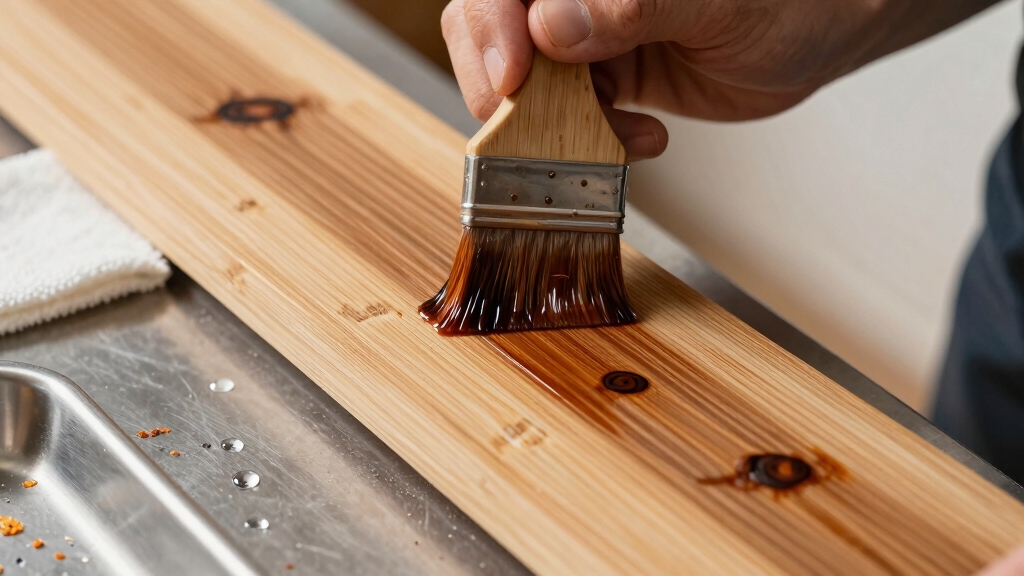
Although bamboo’s dense, waxy surface can make staining challenging, you can successfully apply stain with proper preparation and technique.
Bamboo’s dense, waxy surface challenges staining but proper prep and technique ensure success.
Bamboo’s natural wax creates a barrier that limits stain absorption, so expect a more surface-level color change compared to porous woods.
The dense fibers resist deep penetration, resulting in a subtle, even finish when you use thin, controlled coats.
You should anticipate variability in stain uptake depending on bamboo’s age and cut, with older or denser sections absorbing less.
To achieve uniform color, test your stain on a small, inconspicuous area first.
Rapid drying times and blotchiness are common, so immediate wiping and rubbing after application help minimize unevenness.
Proper surface preparation, including light sanding and cleaning, is essential to improve stain adhesion and achieve a smoother finish on bamboo’s surface, similar to preparing and sanding teak wood.
Preparing Bamboo for Staining Success
Since bamboo’s natural waxy surface resists stain absorption, you must thoroughly prepare it before applying any color.
Begin by washing the bamboo with soap and water to remove dirt and contaminants, then allow it to dry completely.
Next, sand the surface using fine-grained sandpaper, focusing on rough areas with circular motions to eliminate the waxy layer.
The bamboo should appear dull and non-reflective when ready.
Protect your work area with newspapers and wear rubber gloves to avoid skin contact with dust and chemicals.
Proper preparation guarantees better stain adhesion and a more even finish.
Skipping these steps can lead to blotchy results and reduced stain longevity, so take the time to prep your bamboo meticulously for staining success.
Always work in a well-ventilated area to disperse dust and particles during preparation.
Best Techniques to Apply Bamboo Stain Evenly
When applying stain to bamboo, use thin, even coats and work in circular motions with a brush or rag to guarantee uniform coverage.
Immediately rub the stain with a dry cloth to reduce blotchiness and ensure the color penetrates evenly.
Wipe off any excess stain after each application to prevent uneven buildup and blotchy textures.
For lattice or intricate areas, spray stain lightly before blending with a brush for consistent tone.
Always test the stain on a small, inconspicuous area to verify color intensity and absorption.
Avoid heavy applications, as bamboo’s dense structure limits deep penetration.
Carefully monitor drying times per manufacturer instructions before subsequent coats.
This precise method ensures a smooth, uniform stain that enhances bamboo’s natural beauty without patchiness or streaks.
Proper surface preparation and sanding are essential to achieve the best stain results on bamboo, as they help open pores and improve adhesion to the wood fibers for a consistent finish with minimal blotchiness.
How Many Stain Coats Does Bamboo Need?
Applying stain evenly is only part of achieving a durable, attractive finish on bamboo; determining the right number of stain coats is equally important.
You should apply three thin coats rather than one heavy layer.
Thin coats penetrate and adhere better, reducing blotchiness and uneven coloration.
After each coat, allow drying time per manufacturer recommendations, typically 24 to 48 hours, to guarantee proper curing.
Lightly sanding between coats improves adhesion and smooths the surface.
This layering also enhances the stain’s durability and color depth without oversaturating the bamboo’s dense fibers, which resist deep penetration.
Applying three coats provides an ideal balance of protection and aesthetics.
It prepares the bamboo for any subsequent finishing steps while preserving its natural texture and grain.
For optimal results on open-grain woods like bamboo, selecting a stain with deep penetration helps ensure even coloration and long-lasting finish.
How to Seal Bamboo After Staining for Durability?
Although staining enhances bamboo’s appearance, sealing it afterward is essential to safeguard the surface from moisture, wear, and UV damage.
After the final stain coat dries, apply one to two thin layers of a suitable sealer or varnish using a brush or rag. Lightly sand the surface between coats with fine-grained sandpaper to improve adhesion and guarantee a smooth finish.
For outdoor bamboo, seal all ends thoroughly to prevent water ingress and potential swelling. Choose a high-gloss paint for a natural shine or Osmo TopOil for a satin finish, depending on your preference.
Allow each sealer coat to dry fully, typically 24 to 48 hours, before applying the next. Proper sealing extends bamboo’s durability and maintains its aesthetic appeal over time. Using penetrating oils and breathable varnishes can help maintain wood movement and avoid peeling or cracking in the finish.
Alternative Bamboo Staining and Coloring Methods
You know, if you’re looking to give bamboo some unique tones, there are some cool heat treatment techniques you can try.
One popular method is torching. It not only gives the bamboo a rich amber color but also adds a nice textured surface. Pretty neat, right?
Then there are alcohol-based dyes. They offer a really controlled and vibrant way to color bamboo. Plus, they penetrate the material differently compared to traditional stains, so you get a unique look.
And don’t forget about ammonia fuming! This method chemically alters the bamboo’s color, resulting in a subtle and uniform darkening without needing any surface coatings. It’s amazing how many options you have to customize bamboo!
For a natural finish that enhances grain while providing moisture resistance, you might also consider applying 100% pure tung oil as a protective sealer.
Heat Treatment Techniques
Using heat treatment techniques offers an effective way to enhance bamboo’s natural color by creating a rich amber tone through controlled exposure to a handheld propane torch.
You should torch fresh bamboo slowly in small sections, adjusting exposure time to darken the color without igniting the material.
Perform torching before assembly to avoid setting lashings on fire.
Immediately after heating, rub the surface with steel wool while still hot to add subtle texture and remove charred residues.
This process slightly alters the bamboo’s surface, so inspect for structural weaknesses afterward.
Once cooled, you can apply one or two thin stain coats to deepen the color and guarantee uniformity.
Heat treatment provides an alternative to traditional staining, offering a unique, natural finish through thermal modification rather than pigment absorption.
For best results, ensure proper surface preparation and use multiple thin coats with sanding between layers to achieve a smooth, professional finish.
Alcohol-Based Dye Usage
Explore alcohol-based dyes as a versatile option for coloring bamboo, offering deeper penetration than traditional stains due to their low viscosity and fast evaporation rates.
You’ll find that these dyes soak into bamboo’s dense fibers more effectively, producing vibrant, consistent coloration without obscuring the grain.
Before application, prepare the bamboo by sanding away its waxy layer to guarantee even absorption.
Apply the dye with a brush or rag in thin, controlled coats, allowing each layer to dry quickly to prevent blotching.
Because alcohol-based dyes dry rapidly, you can build color intensity efficiently with multiple applications.
Remember to test the dye on a small, inconspicuous area first to gauge color outcome.
This method complements heat treatment and can be sealed afterward for durability and UV protection.
For sealing bamboo after dyeing, consider using a UV-resistant epoxy to provide a durable, crystal-clear finish that preserves and enhances the wood’s natural beauty.
Ammonia Fuming Effects
While alcohol-based dyes enhance bamboo’s color through deeper fiber penetration, ammonia fuming offers a distinctive chemical reaction that alters the surface tone without applying pigments.
When you expose bamboo to ammonia fumes, the tannins in the material oxidize, producing a rich, aged patina typically ranging from golden brown to deep amber.
This method preserves the bamboo’s texture and grain while changing its appearance chemically.
To effectively use ammonia fuming:
- Prepare a sealed chamber or container for fuming.
- Place damp bamboo inside to absorb ammonia vapors.
- Introduce household ammonia carefully, avoiding direct contact.
- Allow fuming for 24-48 hours, monitoring color development.
This technique provides a uniform, natural finish without the risk of blotching common with stains. Proper finishing techniques, such as applying a food-safe finish, can help protect the bamboo surface after treatment.
Tips to Avoid Common Bamboo Staining Mistakes
To avoid overstaining your bamboo, it’s best to apply thin, even coats. Make sure to wipe off any excess stain right away to really showcase the natural beauty of the bamboo.
Also, when you’re applying the stain, try using consistent circular motions with your brush or rag. This helps ensure that the coverage is uniform and prevents any blotchiness from forming.
Additionally, ensuring the bamboo surface is properly prepared and cleaned before staining significantly improves stain penetration and finish durability.
Preventing Overstaining Issues
Because bamboo resists deep stain penetration due to its dense structure, you need to apply stain carefully to prevent overstaining.
Overstaining can obscure bamboo’s natural grain and create uneven patches.
To avoid this, follow these precise steps:
- Apply thin, even coats rather than heavy layers to control color intensity.
- Rub stain immediately with a dry cloth to minimize blotchiness and excess buildup.
- Wipe off surplus stain after each application to guarantee a smooth, consistent finish.
- Test stain on a small, inconspicuous area before full application to confirm desired color.
Ensuring Even Stain Application
Controlling stain thickness alone won’t guarantee a uniform finish on bamboo surfaces. You must prepare the surface properly by sanding with fine-grained sandpaper to remove the waxy layer, ensuring the bamboo appears dull and non-reflective.
Apply stain in thin, even coats using circular motions with a brush or rag to promote consistent absorption. Immediately rub the stain with a dry cloth to reduce blotchiness and wipe off excess to avoid uneven patches.
Between coats, lightly sand to enhance adhesion and follow manufacturer drying times carefully. Testing stain on an inconspicuous area helps confirm color uniformity.
For complex shapes like lattice, use spray applications blended with a brush. These steps minimize common staining mistakes and produce an even, durable finish on bamboo.
Frequently Asked Questions
Can I Stain Bamboo Indoors Without Proper Ventilation?
You shouldn’t stain bamboo indoors without proper ventilation. Stains often contain volatile organic compounds (VOCs) that release harmful fumes. These fumes can accumulate and pose health risks.
Always work in a well-ventilated area or use fans to circulate air. If ventilation isn’t possible, opt for low-VOC or water-based stains to minimize exposure.
Prioritize your safety by wearing gloves and a mask regardless of ventilation conditions.
What Type of Brush Is Best for Bamboo Staining?
You’ll want to use a high-quality natural bristle brush when staining bamboo.
Synthetic bristles can leave streaks or not hold stain evenly.
Natural bristles help you apply thin, consistent coats, vital since bamboo’s dense surface resists deep penetration.
A 1-2 inch angled brush works best for precision in corners and grooves.
How Long Should I Wait Before Using Stained Bamboo Furniture?
You should wait 24 to 48 hours before using stained bamboo furniture to ensure the stain and sealer fully cure.
Follow the manufacturer’s drying recommendations between each coat, applying three thin layers with light sanding in between.
Proper drying guarantees maximum stain effectiveness and durability.
For outdoor use, reapply stain every 1-2 years to maintain protection.
Avoid heavy use until the surface feels completely dry and hard to touch.
Are There Eco-Friendly Stains Suitable for Bamboo?
Eco-friendly stains suitable for bamboo are like a gust of invigorating air for your project. You can use water-based concentrated dyes or natural wood oils, which enhance bamboo’s tones without harsh chemicals.
These options offer low VOC emissions, ensuring environmental safety and healthier indoor air quality. Always check product labels for certifications, and remember to test on a small area to confirm compatibility and color intensity before full application.
Does Bamboo Staining Affect Its Flexibility or Strength?
Staining bamboo doesn’t noticeably affect its flexibility or strength if you follow proper preparation and application steps.
Since bamboo’s dense structure resists deep penetration, stains mainly color the surface without altering core properties.
However, avoid heat treatments like torching excessively, as they can weaken fibers.
Applying multiple thin stain layers and sealing properly preserves bamboo’s integrity while enhancing appearance. This ensures you maintain both flexibility and structural strength.
Achieve a Beautiful, Professional Finish When Staining Bamboo
You can definitely stain bamboo, but keep in mind it absorbs stain about 30% faster than hardwoods due to its porous structure.
To get even coverage, prepare the surface thoroughly and apply multiple thin coats. Sealing afterward is vital to protect your finish and enhance durability.
By following these precise steps, you’ll achieve a professional look and extend your bamboo’s lifespan. Avoid common mistakes to guarantee your project turns out exactly as planned.