Can I Put Polyurethane Over Tung Oil? Expert Advice
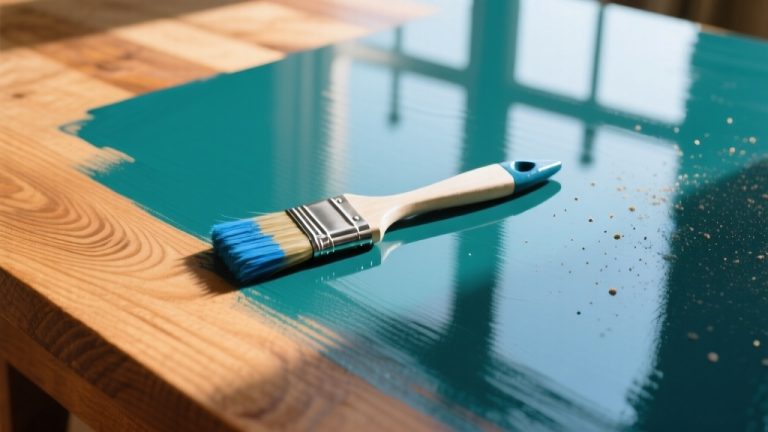
Yes, you can put polyurethane over tung oil, but only after the oil is fully cured. This can take several days to weeks depending on conditions.
Make sure the tung oil surface is dry, hard, and free of sticky residues to guarantee proper adhesion. Lightly sand with fine grit before applying thin coats of oil-based polyurethane along the grain.
This process creates a durable, water-resistant finish. If you want to achieve the best results, it helps to understand proper preparation and timing.
Key Takeaways
- You can apply oil-based polyurethane over fully cured tung oil to create a durable, water-resistant protective finish.
- Ensure tung oil is completely cured (often several weeks) to avoid adhesion problems like peeling or bubbling.
- Lightly sand the cured tung oil surface with fine grit sandpaper or steel wool and remove dust before polyurethane application.
- Apply thin, even coats of polyurethane along the grain, sanding lightly between coats for optimal adhesion and smoothness.
- Regular maintenance includes cleaning with mild soap, periodic recoating, and light abrasion to maintain finish durability and appearance.
Understanding Tung Oil and Its Finish
Although you might be familiar with various wood finishes, understanding tung oil requires recognizing its unique chemical composition and curing process.
Understanding tung oil starts with its unique chemistry and natural curing process.
Tung oil is high in alpha-eleostearic acid, a drying oil that cures by polymerization when exposed to oxygen. It bonds chemically with wood fibers to form a hard, durable film. This reaction produces a flexible, water-resistant, and mold-resistant finish that doesn’t yellow or amber over time. Unlike surface coatings, tung oil penetrates deeply, enhancing wood grain with a natural matte or satin sheen.
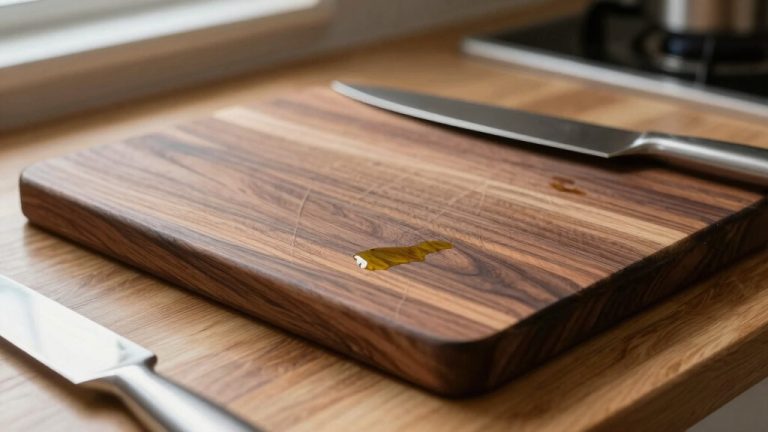
It contains low volatile organic compounds (VOCs), making it safe for food-contact surfaces once fully cured. Applying multiple thin coats with proper drying time ensures a resilient finish that integrates with the wood rather than forming a thick layer on top.
Additionally, tung oil is highly durable, making it suitable for high-use surfaces like tabletops and floors. The finish offers excellent cutting precision when used on woodworking projects that require careful control and accuracy.
Compatibility Between Tung Oil and Polyurethane
You really need to make sure that tung oil is completely cured before you think about applying oil-based polyurethane. This can take several weeks, so it’s not a quick process. Trust me, waiting is worth it to avoid any adhesion issues down the line.
It’s also super important to follow the manufacturer’s instructions closely. They usually have specific drying times and compatibility details that are crucial for achieving a stable finish.
If you jump the gun and apply polyurethane too soon, you might end up with peeling or bubbling, which is definitely not what you want. So, a little patience and precise timing will go a long way in ensuring a great finish!
Additionally, understanding the maintenance required for your tools and materials helps preserve the quality and safety of your woodworking projects.
Oil-Based Polyurethane Compatibility
When applying oil-based polyurethane over tung oil, ensuring the tung oil has fully cured is critical to achieving proper adhesion and durability. Fully cured tung oil creates a stable, dry surface that allows polyurethane resins to bond effectively without chemical interference. You should wait at least one week, longer if possible, since incomplete curing, indicated by lingering oil odor, compromises adhesion. This waiting period is similar to the recommended drying times for finishes in woodworking to ensure optimal results.
Polyurethane’s superior resistance to water, heat, and abrasion enhances the underlying tung oil finish, providing long-lasting protection. You don’t need to sand the surface if the oil is fully cured, but cleaning dust and contaminants is essential. Proper surface preparation is key to avoid imperfections and maintain the finish’s integrity.
For ideal results, consider applying multiple thin coats of tung oil before polyurethane and use wipe-on techniques to avoid pooling, especially on horizontal surfaces. Using thinner coats of tung oil helps it dry faster, which can facilitate earlier application of polyurethane and improve the overall finish quality thinner coats dry faster. This technique also mirrors the adjustable bevel capability in tools, where precision and control lead to better outcomes.
Importance of Tung Oil Curing
Why does the curing of tung oil play a crucial role in its compatibility with polyurethane? Proper curing ensures tung oil has fully polymerized and penetrated the wood fibers, providing a stable base for polyurethane adhesion.
Incomplete curing leaves residues that impede bonding and cause clumping. Additionally, environmental factors such as temperature and humidity significantly affect the drying and curing process of tung oil, influencing its performance as a base for polyurethane. Understanding the polymerization process of finishes can help optimize curing times and improve finish compatibility.
Consider these key factors:
- Tung oil requires multiple thin coats with overnight drying to build a durable, polymerized layer.
- Fully cured tung oil penetrates deeply, unlike polyurethane which forms a surface film.
- Improperly cured oil remains tacky, reducing polyurethane’s ability to adhere effectively.
- Intermediate sealing steps may be necessary to bridge the chemical and physical differences between finishes.
Manufacturer Instructions Guidance
Although many polyurethane manufacturers confirm that their products can be applied over fully cured tung oil, they emphasize strict adherence to curing times and surface preparation to guarantee ideal adhesion and finish durability.
You must verify tung oil is completely dry, typically 24 to 72 hours, before application. Lightly sanding with fine-grit paper or steel wool is essential to create a suitable bonding surface. For best results, applying 6-8 coats of wipe-on varnish can build a significant protective film before topcoating.
Manufacturers often specify that only pure tung oil or tung oil varnish blends are compatible; additives can compromise adhesion. Testing on a scrap piece is strongly recommended to detect any incompatibility, such as peeling or cloudiness.
Labels caution against mixing finishes or applying polyurethane over uncured tung oil, as this voids warranties. Following these precise guidelines ensures superior finish performance and maintains manufacturer liability coverage. Additionally, thorough surface cleaning and preparation, including the removal of any residues, is vital to prevent adhesion issues and ensure a smooth finish.
Choosing the Right Polyurethane for Tung Oil
When you’re picking out polyurethane to go over tung oil, it’s a good idea to lean towards oil-based options. Why? Well, they work really well with the tung oil and cure reliably over the dried oil film. On the other hand, water-based polyurethane can be a bit tricky. It often has a hard time sticking because it just doesn’t mix well with the oil-based finish underneath.
It’s super important to make sure that the tung oil is completely cured before you apply the polyurethane. This step is key to getting a topcoat that’s not just durable but also looks great and uniform. Applying at least three thin coats of the oil-based polyurethane ensures durability and better protection over the tung oil finish. For the best results, follow proper application techniques to avoid issues like poor adhesion or finish failure.
Oil-Based vs Water-Based
Choosing between oil-based and water-based polyurethane for finishing tung oil depends largely on the durability, appearance, and application characteristics you prioritize.
Oil-based polyurethane delivers superior abrasion and water resistance with a warm amber tint, enhancing wood grain and maintaining a natural look. It is important to ensure that the tung oil finish has fully cured before applying polyurethane to prevent adhesion issues and finish failure, as polyurethane bonds chemically to properly cured tung oil. The stiffness and control of oil-based finishes often complements the flexibility of tung oil, resulting in a balanced protective coating.
Water-based polyurethane dries faster and stays clearer but may require meticulous surface prep to avoid adhesion issues over tung oil. This finish type is favored for projects where maintaining the wood’s true color and minimizing yellowing is critical.
Consider these factors:
- Durability: Oil-based poly outperforms water-based in wear resistance over tung oil.
- Appearance: Oil-based imparts warmth; water-based preserves true wood tone.
- Application: Oil-based needs longer drying, supports multiple coats; water-based applies faster but demands thorough sanding.
- Surface Interaction: Oil-based bonds chemically to cured tung oil; water-based relies more on mechanical adhesion.
Choose based on your project’s performance and aesthetic demands.
Compatibility and Curing Requirements
If you want a durable, flawless finish, you must guarantee tung oil is fully cured before applying polyurethane.
Tung oil typically requires at least one week to several weeks to dry, depending on the thickness of the coat, with complete curing potentially taking months. This is because tung oil is a drying oil with a high iodine value, which allows it to harden through polymerization upon exposure to air. Additionally, environmental factors such as humidity and temperature can affect the curing time and final hardness of the oil.
Use the smell test: if the tung oil odor persists, it’s not ready.
Applying polyurethane prematurely risks poor adhesion and compromised durability.
Oil-based polyurethane chemically bonds well with fully cured tung oil due to their compatible oil-based chemistries.
For ideal results, apply thin, wiped-on polyurethane coats diluted with solvent thinner, building protection gradually.
This method preserves the wood’s natural grain while enhancing resistance to water, heat, and chemicals. Proper lubrication techniques and maintenance during finishing can also help prevent surface defects and prolong the life of the finish.
Proper curing and compatible products are essential to achieving a strong, long-lasting finish.
Preparing Tung Oil Finished Surfaces for Polyurethane
Although applying polyurethane over tung oil can enhance durability, you must guarantee the tung oil finish is fully cured and properly prepared to achieve ideal adhesion.
Start by confirming the tung oil has cured at least 24 to 48 hours; polymerized or thinned oils dry faster than pure types.
Ensure tung oil cures for 24 to 48 hours; polymerized or thinned oils dry more quickly than pure versions.
Next, clean the surface thoroughly, removing all dirt, grease, and excess oil to prevent adhesion failure.
Then, lightly sand the surface using 320 grit sandpaper or 0000 steel wool to create a uniform profile for polyurethane bonding.
Finally, verify the tung oil product type and drying status before proceeding, ensuring compatibility and avoiding sticky, sealed surfaces that repel urethane coatings.
Proper surface preparation and maintenance, such as cleaning dust ports and lubrication, can also improve the performance of subsequent finishes like polyurethane.
Step-by-Step Application of Polyurethane Over Tung Oil
Before applying polyurethane over tung oil, you must confirm the finish is fully cured and properly prepared to guarantee strong adhesion and a flawless result.
Lightly sand the surface with 320-400 grit sandpaper to create adhesion without stripping tung oil. Clean thoroughly with a tack cloth or mineral spirits. Ensuring the tung oil has cured for at least two weeks is crucial for optimal bonding and durability of the polyurethane layer final cure time. Proper surface preparation is essential for achieving a durable finish.
Choose oil-based polyurethane for best bonding and apply thin, even coats using a natural bristle brush or lint-free cloth. Work along the grain in long strokes, allowing full drying between coats.
Lightly sand between coats and remove dust to ensure smoothness. Apply 3-6 coats for durability.
| Step | Key Detail |
|---|---|
| Surface Prep | Light sanding, clean thoroughly |
| First Coat Application | Thin, even strokes with grain |
| Subsequent Coats | Sand lightly, remove dust |
Benefits of Applying Polyurethane Over Tung Oil
When you apply polyurethane over tung oil, you create a finish that combines the deep wood penetration of the oil with the tough, protective film of the polyurethane. This synergy enhances both durability and aesthetics, optimizing wood protection.
Here are four key benefits:
Discover four essential advantages of applying polyurethane over tung oil for superior wood finishing.
1. Enhanced Durability
Polyurethane forms a hard, abrasion-resistant layer, protecting against scratches and mechanical stress far better than tung oil alone. This makes it ideal for surfaces exposed to frequent wear or contact.
2. Improved Water Resistance
The polyurethane topcoat provides a superior moisture barrier, preventing water damage, swelling, and stains. Applying a clear coat like polyurethane over tung oil is a common method to achieve water resistance.
3. Increased Chemical Resistance
Polyurethane shields the surface from household chemicals and solvents, reducing staining and degradation risks.
4. Longevity and Maintenance
This combination extends finish lifespan, lowers maintenance frequency, and allows easier repair compared to oil finishes alone. Proper surface preparation, including sanding between coats, improves finish quality and adhesion.
Together, they balance oil’s warmth with polyurethane’s clarity and toughness.
Common Challenges When Combining Tung Oil and Polyurethane
Combining tung oil with polyurethane can deliver a robust finish, but you’ll face several technical challenges that can compromise the outcome if not managed properly.
First, timing is vital. Since tung oil requires days or weeks to cure fully, applying polyurethane prematurely traps residual oils, causing poor adhesion, cloudiness, or extended drying times.
Surface compatibility also demands attention. Tung oil penetrates wood fibers while polyurethane forms a surface film, so incomplete curing or surface contamination risks peeling or flaking.
Additionally, mismatched sheen and texture between the soft tung oil and hard polyurethane layers can create an uneven appearance. You must carefully sand and ensure a dust-free, fully cured base before applying polyurethane.
Controlling coating thickness and understanding product chemistry are essential to avoid adhesion failure and ensure durable, consistent protection.
Maintaining Surfaces Finished With Tung Oil and Polyurethane
When it comes to taking care of surfaces finished with a mix of tung oil and polyurethane, it’s really important to use pH-neutral cleaning products. This helps prevent any damage to the finish.
You’ll also want to keep an eye on how the finish looks over time. Regular checks can save you from bigger maintenance issues down the line. Ensuring that the tung oil has fully cured before applying polyurethane is crucial for a durable finish proper curing.
Don’t forget to plan for reapplications of protective waxes like Feed-N-Wax. This is key to keeping your surfaces looking great and lasting longer.
And when it’s time to do some buffing, remember to be gentle. Using the right techniques can really make a difference in extending the lifespan of the finish while ensuring it keeps its protective qualities.
Cleaning and Care Tips
Although maintaining surfaces finished with tung oil and polyurethane requires different approaches, proper cleaning techniques are essential to preserve their integrity and appearance. You should carefully select cleaning methods to avoid degrading either finish.
- Dust regularly using a dry microfiber cloth to prevent buildup and maintain clarity on both finishes. Tung oil finishes highlight the wood grain and do not hide imperfections, so keeping the surface clean enhances their natural beauty wood grain.
- Clean polyurethane surfaces with mild soap and water, but avoid water on tung oil finishes to prevent weakening.
- Use mineral spirits sparingly on tung oil surfaces before maintenance; never apply harsh detergents or ammonia-based cleaners.
- For gentle abrasion, utilize a soft lint-free cloth or fine steel wool to avoid scratching while removing dirt.
Following these precise procedures ensures longevity and keeps your wood surfaces looking their best without compromising the protective layers.
Reapplication Timing Guidelines
When maintaining surfaces finished with tung oil and polyurethane, timing your reapplication is essential to preserving finish integrity and durability.
Confirm the tung oil is fully cured, often several days to weeks depending on conditions, before applying polyurethane. Applying a thin coat of de-waxed shellac as an in-between barrier can improve polyurethane adhesion over tung oil.
Apply at least three thin coats of oil-based polyurethane, waiting 24 hours between coats to optimize adhesion and cure.
Over time, monitor for wear or water damage; these signs indicate it’s time to recoat.
Before reapplication, lightly abrade the surface with ultra-fine steel wool or Scotchbrite pads to promote bonding without removing the tung oil base.
Clean thoroughly to remove dust.
Properly timed and prepared reapplications extend protection for years, preventing premature finish failure while maintaining a smooth, uniform surface.
Enhancing Finish Longevity
Proper timing and surface preparation lay the foundation for maximizing the lifespan of a tung oil and polyurethane finish.
To maintain your surface’s durability and appearance, you need to adopt precise care routines. Here’s how to enhance finish longevity effectively:
- Clean regularly with a soft cloth to remove dust and debris without scratching the finish.
- Reapply polyurethane every few years to restore protective hardness and water resistance.
- Use fine steel wool (000–00 grit) or rubbing compound to smooth imperfections and reduce any haze.
- Apply a wax-based product like Feed-N-Wax over cured polyurethane for added moisture protection and sheen control.
Alternative Finishing Options to Polyurethane Over Tung Oil
Because polyurethane over tung oil isn’t the only finishing method available, you can explore several alternatives that suit specific project needs and preferences.
Natural oil finishes like linseed, walnut, and hemp oils penetrate wood and offer satin to mild sheens, with varying drying times and durability.
Danish oil blends tung or linseed oils with varnish for faster drying and moderate protection.
For film-forming alternatives, Waterlox and Epifanes Spar Varnish provide durable, UV-resistant coatings compatible with tung oil.
Shellac and wax topcoats deliver moderate protection and easy maintenance, ideal for low-wear surfaces.
Synthetic finishes such as acrylic or polycrylic offer clear, water-based protection with minimal ambering.
You can also consider oil-varnish blends or thinned polyurethane for tailored application and enhanced finish characteristics over cured tung oil.
Enhancing Finish Appearance and Sheen After Polyurethane Application
Although polyurethane over tung oil enhances durability, it can subtly alter the finish’s appearance by introducing a slight haze that diminishes the wood grain’s clarity. This also softens the natural depth tung oil provides.
To optimize appearance and sheen after applying polyurethane, consider these steps:
- Choose the appropriate polyurethane sheen: matte, satin, semi-gloss, or gloss to complement the tung oil’s natural low sheen.
- Apply multiple thin coats with proper drying time to build up a smooth, durable film that enhances luster without excessive haze.
- Lightly sand the tung oil surface before polyurethane to improve adhesion and minimize uneven film formation.
- Allow tung oil to fully cure (several days to weeks) before applying polyurethane to prevent cloudiness and ensure a clear, consistent finish.
This approach balances protection with enhanced visual appeal.
Frequently Asked Questions
Can I Use Polyurethane Over Partially Cured Tung Oil?
You shouldn’t apply polyurethane over partially cured tung oil because the surface remains tacky, preventing proper adhesion.
Doing so risks bubbling, peeling, and a cloudy finish due to trapped solvents and incomplete curing.
Wait until the tung oil fully cures, usually 7 to 30 days, then lightly sand before applying polyurethane.
This guarantees a durable, smooth finish and prevents long-term failure or delamination.
Always test on a small area first.
How Long Should I Wait Before Applying Polyurethane on Tung Oil?
You should wait until the tung oil is completely dry and fully cured before applying polyurethane, which usually takes about 7 days.
Always follow the manufacturer’s instructions for exact curing times. Tung oil’s drying time depends on temperature and humidity, so verify it’s hard to touch and no longer tacky.
Applying polyurethane prematurely risks adhesion failure, so patience guarantees a durable, uniform finish when you proceed.
Will Polyurethane Yellow Tung Oil Finishes Over Time?
Yes, polyurethane will yellow tung oil finishes over time, especially if you use oil-based types.
This yellowing intensifies with UV exposure, thicker coats, and ambient conditions.
Tung oil’s natural amber tone combines with polyurethane’s yellowing, deepening the warmth but potentially altering your finish’s color.
To minimize this, choose water-based or “non-yellowing” polyurethane formulas, apply thin coats, and protect your piece from direct sunlight to preserve the finish’s clarity.
Can I Mix Tung Oil and Polyurethane in the Same Container?
Yes, you can mix tung oil and polyurethane in the same container, typically in equal parts.
You’ll want to thin the mixture with a suitable solvent to attain the right consistency for application.
Adjust the ratios based on your desired protection level and drying time.
This hybrid finish enhances durability compared to pure tung oil while maintaining a natural look.
Remember to test small batches first to ensure compatibility and desired results before full application.
Is Wipe-On Polyurethane Better Than Brushed for Tung Oil Surfaces?
Imagine gently gliding a soft cloth over wood, spreading a thin, even film of finish. That’s wipe-on polyurethane on tung oil.
Yes, it’s better than brushing because its low viscosity guarantees smooth absorption without bubbles or brush marks. You’ll avoid thick, plastic-like layers and get a more natural sheen.
Plus, thinning wipe-on poly with solvent speeds drying and enhances adhesion. This gives you precise control and a flawless, durable finish over your tung oil surface.
Ensure Full Tung Oil Curing for Maximum Polyurethane Bonding
You can put polyurethane over tung oil, but you’ll need to make sure the tung oil is fully cured and properly prepared. Think of it as laying a solid foundation before building a house.
Choose a compatible polyurethane, lightly sand the surface, and apply carefully to avoid adhesion issues. When done right, this combo offers durable protection with enhanced sheen.
Following these precise steps will help you nail the finish without any unexpected hiccups.