

Best Smoothing Plane Guide: Top 10 Picks for Perfect Finishes
Nothing is more irritating than stubborn wood that resists your efforts. Sandpaper clogs and scrapes fall short of a perfectly smooth finish. You end up wasting time and energy on tedious surface work.
KAKURI’s Japanese KANNA hand planer cuts clean with a razor-sharp high carbon blade and slips easily through grain. Draper’s cast iron plane uses heavy weight and a milled sole to stay steady and true.
Spear & Jackson’s cast iron joinery plane delivers precision for detailed joinery, filling the niche between general smoothing and fine cabinetry. It’s ideal when accuracy is paramount.
| Image | Name | Editor's Rating | Price |
|---|---|---|---|

|
KAKURI Japanese Hand Plane 50mm, Woodworking Block Plane 9.5...
|
|
|
|
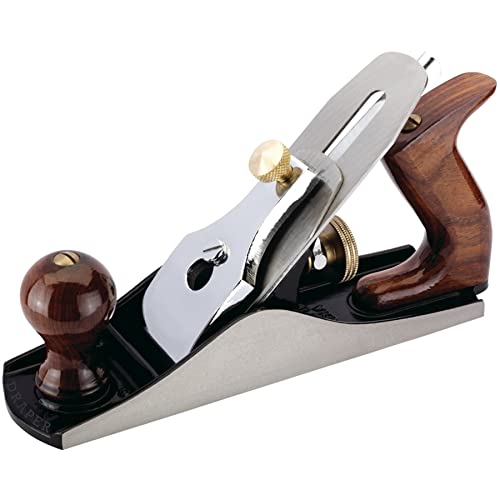
Draper 45241 Smoothing Plane
|
|
|

|
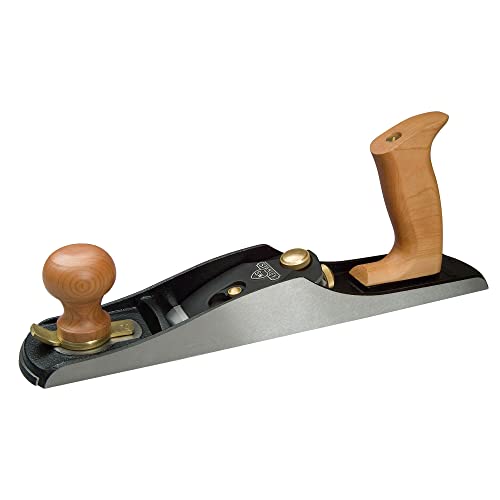
Spear & Jackson CSP4 No. 4 Smoothing Plane
|
|
|
|
Stanley 1-12-137 62-Low Angle Sweetheart Jack Plane
|
|
|
|
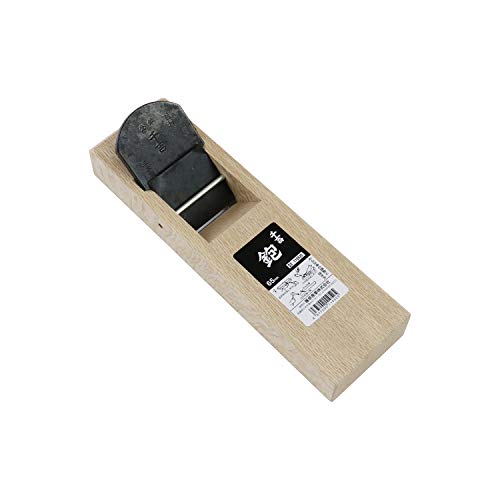
Senkichi Flat Plane with Base Blade Width 2.6 inches (65 mm)...
|
|
Refine Your Craft with the Best Smoothing Plane Options
Mastering wood finishing starts with selecting the right smoothing plane. Each tool offers unique features to help you achieve flawless, smooth surfaces with ease and precision.
1. KAKURI Traditional Japanese KANNA Hand Planer with ECO Oak Body for Smooth Wood Finishing
- JAPANESE MANUAL WOOD PLANE "KANNA": This is a traditional Japanese woodworking plane, perfect for...
- LARGE SIZE, EASY HANDLING: This is a large-sized plane designed to be gripped firmly with both...
- RAZOR-SHARP BLADE: This plane features Japanese steel, laminated with soft iron and hand-sharpened...
Pulling the right tool across a rough wood surface can transform your project in ways you might not expect. This Japanese-style hand planer delivers a meticulous, smooth finish by using a unique pulling motion that offers greater control and ease than many Western push planes.
Fitted with a razor-sharp laminated blade crafted from high carbon Japanese steel, this plane ensures durable cutting edges and effortless sharpening. The blade includes a chipbreaker feature reducing wood splitting, offering both precision and safety for cleaner cuts.
The large size and balanced weight allow you to maintain steady, confident strokes over wider areas, making it easier to level and perfect broad wooden surfaces efficiently. Its design suits beginners and seasoned woodworkers alike.
Crafted from natural Japanese ECO Oak sourced from closer to the tree’s core, the wooden body is both tough and responsible in resource use without sacrificing performance. The slightly varied grain adds character while maintaining a sturdy, smooth-running foundation for your work.
KAKURI’s thoughtful construction combines tradition and practical innovation to elevate your woodworking. The tool’s dimensions are manageable, and it’s ready to work right out of the box once you set the blade angle with a hammer.
Best for: Woodworkers seeking a reliable, high-precision smoothing tool that embraces traditional Japanese craftsmanship and delivers excellent finishing results on various wood types.
Pros:
- Pull-to-use action offers increased control and less user fatigue.
- Hand-sharpened laminated blade ensures sharp and long-lasting edges.
- Balanced, large size ideal for both beginners and professionals.
- ECO Oak body combines durability with natural aesthetic appeal.
- Chipbreaker feature reduces tear-out for smoother finishes.
Cons:
- May require additional setup and blade tuning before initial use.
- Slightly heavier size might be less convenient for very fine, detailed work.
2. Draper Expert 250mm Traditional Smoothing Plane with Cast Iron Base and Beechwood Handle
- Supplied with spare iron
- Precision milled base with cast iron body
- Wooden handle and guidance knob
Creating impeccably smooth surfaces depends heavily on the finesse of the tool you choose. Engineered with a precision milled base, this smoothing plane delivers remarkable flatness on wood with every pass. Its robust cast iron body resists warping and provides the weight needed for stable, controlled planing.
Equipped with a comfortable beechwood handle and guidance knob, it allows for natural hand positioning during extended use. The thoughtful inclusion of a spare iron blade ensures you have a replacement ready when sharper edges are necessary, minimizing downtime on your projects.
At just over 10 inches long and weighing 2.2 pounds, the Draper Expert strikes a nice balance between maneuverability and sufficient heft. Its traditional styling blends durability with classic woodworking aesthetics, making it a reliable companion for refining surfaces with precision.
Many might assume that all smoothing planes perform similarly, but the details in build quality and blade management set this tool apart. Incorporating Draper’s expertise, the tool ensures consistently fine shavings and smooth finishes, ideal for achieving that polished look.
Best for: Woodworkers aiming to enhance fine finishing skills with a dependable, traditional hand tool.
Pros:
- Precision milled cast iron base prevents twisting
- Comfortable beechwood handle and knob improve control
- Includes spare iron blade for quick edge replacement
- Moderate size and weight aid ease of handling
- Traditional, durable design suitable for detailed work
Cons:
- May feel slightly heavy for extended use by beginners
- Limited cutting width may require multiple passes on wider stock
3. Spear & Jackson Classic No. 4 Joinery Plane with Precision Milled Cast Iron Body
- Ideal for cabinet work and general joinery
- Cast iron body
- Precision milled base and faces
Fine-tune wood surfaces with remarkable accuracy using the Spear & Jackson plane designed for intricate cabinet work and general joinery tasks. Its precision milled base and faces create a remarkably flat sole, eliminating wobbles and ensuring smooth, predictable strokes with every pass.
Constructed from robust ductile cast iron, this tool balances weight and durability, delivering a solid feel that enhances control while reducing hand fatigue. A 2-inch high carbon steel blade carves clean, thin shavings, perfect for achieving flawlessly finished wood surfaces.
Control is intuitive with the brass adjusting screw that provides swift, fine-tuned blade positioning, letting you match your plane’s performance precisely to the wood’s grain and density. At about 9.76 inches long and weighing just under 4 pounds, it fits comfortably in hand enabling steady, consistent use.
Replacements for the cutting edge are readily available, making maintenance straightforward and extending the life of this indispensable workshop tool. Spear & Jackson’s design ensures that your smoothing tasks blend accuracy with efficiency, delivering a finish professional woodworkers rely on.
Best for: Artisans who demand precise control when shaping and finishing hardwoods, especially in detailed cabinetry and joinery.
Pros:
- Durable cast iron body provides excellent stability and longevity
- Precision ground base ensures perfect flatness for smooth finishes
- Sharp 50mm high carbon steel blade offers clean cuts with ease
- Brass screw allows fine adjustment of blade depth for tailored cutting
- Compact size balances weight and maneuverability effectively
Cons:
- The weight may feel slightly heavy for prolonged tasks involving smaller, delicate pieces
- Limited width of blade might require multiple passes on wider boards
4. STANLEY 62-Low Angle Sweetheart Jack Plane with Solid Cast Iron Base and Precision Adjustment
- One-piece base and frog virtually eliminate chatter and increased accuracy
- Patented lateral adjustment locking feature
- Ductile iron castings for weight and durability
Struggling with uneven surfaces or chatter when smoothing wood? The solid construction of this jack plane features a one-piece base and frog that work together to drastically reduce vibrations, ensuring exceptional stability and refined control.
Patented lateral adjustment locking guarantees precise blade positioning, so you spend more time perfecting your project and less time re-aligning. Weighing nearly 3 kilograms, its ductile iron castings provide a robust feel that lends consistent pressure for cleaner cuts.
Its 2-inch cutting width and maximum 4.7mm depth of cut meet the demands of a variety of tasks, from delicate finishing to heavier stock removal. Thanks to the low angle design, it excels at trimming end grain and smoothing flat surfaces alike, making it a versatile companion in your woodshop.
STANLEY has crafted this tool to balance durability and performance, delivering accurate, chatter-free results that many craftspersons seek but rarely find in one plane.
Best for: Woodworkers aiming to achieve precise, smooth finishes on diverse materials who appreciate a tool built for steady handling and sharp adjustments.
Pros:
- One-piece base and frog virtually eliminate chatter.
- Patented lateral adjustment locking for secure blade placement.
- Heavy ductile iron castings offer balanced weight and durability.
- 2-inch wide blade suitable for fine and broad work.
- Low-angle setup excels for end grain and surface smoothing.
Cons:
- Weighs close to 3kg, which might feel heavy during extended use for some.
- Maximum cutting depth might limit aggressive stock removal in certain applications.
5. Senkichi Traditional Woodworking Plane with 2.6-Inch Carbon Steel Blade and Oak Base
- Uses: For cutting wood surfaces
- Features: Plane with steel that is easy to resharpen the blade
- Blade width: 2.6 inches (65 mm)
Refining wooden surfaces demands a tool that blends precision with durability. The Senkichi woodworking plane offers a strong 2.6-inch carbon tool steel blade paired with an oak wood base, designed to maintain sharpness through easy resharpening. Its sturdy construction promises reliable performance on various wood types, allowing you to tackle flattening and smoothing tasks effortlessly.
Compact yet sturdy, the plane’s dimensions (approximately 10.8 by 3.2 inches) fit comfortably in hand, granting excellent control during use. Its sleek black finish and modern style enhance both function and aesthetics, making it a timeless addition to your tool collection. The careful balance between weight and form supports steady planing without causing fatigue.
Easy blade maintenance keeps your edges razor-sharp, cutting through wood fibers smoothly for a flawless finish. The included steel ensures you’re prepared from the start, providing long-lasting efficiency without the frustration of frequent blade changes.
Handcrafted elements from oak base material contribute to overall stability and precise handling during prolonged woodworking sessions. Whether approaching delicate tasks or heavier smoothing requirements, the tool delivers consistent results thanks to thoughtful design and quality materials.
Best for: Woodworkers seeking a dependable, traditional hand plane that effortlessly smooths and refines surfaces with durability and ease.
Pros:
- Durable 2.6-inch carbon steel blade with simple resharpening capability
- Sturdy oak base providing solid stability and control
- Comfortable dimensions for precise hand guidance
- Modern styling with functional design
- Includes quality steel blade out of the box
Cons:
- Weight is minimal, which might feel too light for some heavy-duty planing tasks
- The 2.6-inch cutting width may require additional passes on wider surfaces
6. WoodRiver #5 Bench Hand Plane – Precision Jack Plane with Bubinga Handles
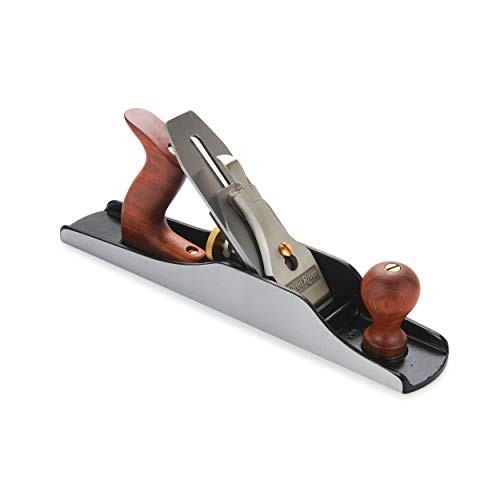
- Modeled after the Bedrocks, Stanley Tool's very best line
- 2-7-16” W x 13-7/8”L with 2”W blade
- WoodRiver planes feature the same heavy castings (5 lbs) and fully machined frogs
Working wood to a glass-smooth finish demands control and accuracy few tools can offer. This jack plane’s carefully machined sole and sides maintain tight tolerances that keep your cuts consistent and precise. Its sizeable 2″ wide blade balances removal speed with smoothness, making it a versatile addition for final shaping tasks.
Heavy cast iron construction at 6.75 pounds provides the necessary mass to glide steadily across your workpiece, reducing chatter and unevenness. The stress-relieved ductile iron base combined with a high carbon steel blade sharpens easily and holds its edge impressively over multiple uses. The design is inspired by the renowned Bedrock pattern, respected among craftsmen for reliability.
Comfort meets function with lightly finished Bubinga handles that allow you to maintain control without hand fatigue. Each component is precision machined, reflecting WoodRiver’s commitment to quality woodworking tools created by Woodcraft. This plane is built to tame rough surfaces and refine joinery with consistent, smooth cuts that elevate both speed and finish.
Whether tackling domestic or exotic hardwoods, its flat and square base enhances stability while planing. The familiar weight and balance help you hone your technique, supporting the craftsmanship that defines fine woodworking.
Best for: Craftsmen looking to refine their projects with a dependable, durable plane capable of smooth, uniform finishing passes.
Pros:
- Heavy 6.75-pound ductile iron body minimizes vibration for steady planing
- 2″ wide high carbon steel blade optimized for smooth, controlled cuts
- Bubinga handles shaped for comfort and grip during extended use
- Precisely machined soles and sides ensure a flat, square platform
- Inspired by established Bedrock design known for reliability and performance
Cons:
- The weight might feel heavy for users accustomed to lighter planes
- The traditional style may require adjustment for those used to modern ergonomics
7. Woodriver Durable 2-7/8 Inch Blade Smoothing Plane for Fine Woodwork

- 2-7/8" wide x 10-3/8" long with a 2-3/8" wide blade
- Modeled after the Bedrocks, Stanley Tool’s very best line
- Features fine-grained ductile iron castings and fully machined frogs
Achieving a flawlessly smooth wood surface demands precision and reliability in your hand tools. This smoothing tool, modeled after the renowned Bedrock style, taps into the fine-grained ductile iron castings to offer a standout blend of durability and performance. Its flat, square-machined soles and sides minimize adjustment times, letting you focus on shaping rather than prepping.
Featuring a 2-3/8 inch wide blade, this plane has excellent cutting capacity for a wide range of woodworking projects. The fully machined frogs ensure a stable blade setting, which aids in producing consistent, clean shavings. Weighing just over six pounds, it strikes a balance between heft and maneuverability for controlled, smooth action.
Produced by Woodriver under Woodcraft’s expertise, this tool combines high-quality manufacturing with thoughtful design tailored for craftsmen who value precision and ease of setup. The compact size of 10-3/8″ long makes it a versatile choice for both delicate and broader surface finishes.
While it embraces modern manufacturing, it remains faithful to classic woodworking traditions, delivering strong, reliable results without excessive tuning. Beginners and seasoned woodworkers alike can enjoy the solid feel and excellent performance straight out of the box.
Best for: Woodworking enthusiasts seeking a rugged, finely crafted hand plane that offers effortless smoothing and minimal fuss.
Pros:
- Fine-grained ductile iron castings for long-lasting durability
- Fully machined frogs for stable, precise blade setup
- Milled soles and sides reduce tuning time
- Blade width accommodates diverse smoothing tasks
- Weight offers controlled, smooth planing experience
Cons:
- Heavier weight might be challenging for extended use by some users
- Size may limit use on very large surfaces requiring a bigger plane
8. Kayser E.C. Emmerich No.103-S.48 Jack Plane with Hornbeam Sole and 48mm Blade

- The No.103-S.45 is for Right-Handed use; specify No.103-S.45L for Left-Handed model
- 240mm (9 1/2") long body, 45mm (1 3/4") iron
- Hornbeam sole
When precise material removal defines your project, reaching for a tool that balances control and sharpness is critical. Kayser’s E.C.
Emmerich No.103-S.48 offers a solid 240mm body and a carefully angled 45º iron bed, ensuring consistent blade stability during use. The hornbeam sole lends unmatched durability and a smooth planing surface that resists wear far better than traditional offerings.
Designed specifically for right-handed users, this plane provides ergonomic handling that reduces fatigue over extended periods. The 48mm cutting iron excels at shaving fine layers, granting you the power to perfect surface textures without overcutting.
An overall weight of 2.46 pounds strikes a reliable balance—not too heavy to tire your hand, but substantial enough to maintain momentum.
While common belief might lean towards metal soles as optimal, the natural wood base of this model offers a unique feel and precision unmatched in synthetic bottoms. Precision craftsmanship by E.C.
Emmerich underpins every feature, giving you a tool capable of refining hardwood or softer timbers with exceptional accuracy.
Each detail, from cutting depth to the iron’s width, is tuned for traditional woodworking finesse. Kayser’s approach combines time-tested materials and modern design sensibilities for a plane that performs under demanding conditions with reliable sharpness and smooth strokes.
Best for: Craftsmen seeking flawless finishing touches on hardwood surfaces and aficionados of classic hand tools.
Pros:
- Durable hornbeam sole for long-lasting smooth planing
- Precisely angled 45º iron bed enhances cutting stability
- Comfortable length and weight tailored for extended use
- 48mm blade ideal for detailed material removal
- Right-hand ergonomic design promoting control and comfort
Cons:
- Manual operation may requires some practice to achieve consistently smooth finishes
9. Big Horn 9-Inch Precision Hand Plane with Adjustable High-Carbon Blade and Rosewood Handle

- No. 4-style smoothing bench plane is designed for final surface smoothing, surface finishing, and...
- 10" precision-ground sole helps maintain flat contact with the workpiece for controlled shaving and...
- 2" wide, 1/8" thick high carbon steel blade supports fine shaving control for smoothing boards...

Ideal for refining wood surfaces, this bench jack plane offers precision finishing cuts that ensure smooth results on any carpentry project. Its high-carbon steel blade maintains sharpness while the solid brass knobs make depth settings quick and reliable.
Constructed with a heavy cast iron body, it withstands repeated use and absorbs impact well, giving you durability that lasts through tough sanding tasks. The ergonomically shaped rosewood handle and knob provide superior control and comfort, letting you work longer without hand fatigue.
Fine-tuning the blade is straightforward; adjustments allow you to customize cut depth and blade alignment with minimal effort. At 9.75 inches long and weighing 4 pounds, the plane balances ease of maneuverability with enough heft to produce consistent, evenly smoothed surfaces.
Big Horn includes an ample 2-inch cutter which covers a broad swath of wood per pass, improving efficiency during final smoothing. Its design targets professionals and serious hobbyists who demand reliable control and lasting build quality for finishing work.
Best for: Craftsmen requiring a sturdy hand tool capable of delicate surface preparation and final smoothing on diverse wood types.
Pros:
- Precise blade depth and lateral adjustments with solid brass knobs
- Durable cast iron body resists wear and impact
- Comfortable rosewood knob and handle for long use
- Sharp 1/8″ thick, 2″ wide high carbon steel blade
- Good balance and weight for controlled planing
Cons:
- Weight might feel heavy for extended single-hand use
- Adjustments may require initial acclimation for novice users
10. Tsunesaburo Japanese Hand-Hammered Blue 2 Steel Woodworking Plane with Shirakashi Wood Base

- Blade Material Core blade: Aogami Blue 2 steel ( carbon steel), Hand forged by craft-man. Base...
- Blade size: Plane blade width 65mm, Cutting width 58mm
- Plane stand size: Total length 285mm, Width 85mm, Height 36mm
Crafted to handle delicate finishing tasks, this plane brings fine control to your woodworking projects. The blade, forged from Aogami Blue 2 steel, offers a sharpness and edge retention that carbon steel enthusiasts value for precision smoothing. The cutting edge spans 58mm, ideal for detailed shaping without compromising maneuverability.
Featuring a sturdy base made from Japanese shirakashi wood, the tool is not only durable but also comfortable to grip during extended use. The natural wood grain adds character, making each plane unique and visually appealing. Its overall length of 285mm ensures ample reach while working on panels or boards.
Hand-hammered craftsmanship reflects traditional techniques, giving you a tool that blends artisanal quality with practical performance. Weighing approximately 1300 grams, it provides solid, controlled pressure without unnecessary fatigue. The mouth width accommodates typical planing depth, allowing for smooth, thin shavings to enhance surface finish.
Using a Japanese-style smoothing tool like this one offers you superior edge alignment and sharper precision than many Western-style planes. Tsunesaburo’s dedication to combining steel and wood components achieves a balance that can meet the expectations of serious woodworkers seeking refined results.
Best for: Woodworkers pursuing finely detailed surface finishing and traditional Japanese tool enthusiasts wanting a reliable smoothing instrument.
Pros:
- Blade forged from premium Aogami Blue 2 carbon steel for lasting sharpness
- Durable Quercus myrsinifolia wood base with unique grain pattern
- Well-balanced 1300g weight for comfortable control
- Compact size allowing for fine, precise smoothing cuts
- Hand-hammered blade craftsmanship enhances edge quality
Cons:
- Might feel heavier than lighter Western-style planes for some users
Key Specs Compared: Top Best Smoothing Plane Technical Breakdown
| Product Name | Blade Width | Material Type | Base Material | Item Dimensions (L x W x H) |
|---|---|---|---|---|
| KAKURI Japanese ECO Oak Plane | 50 mm (1.97″) | Japanese high carbon steel (laminated) | ECO oak | 9.5″ x 2.5″ x 2.3″ |
| Draper 45241 Cast Iron Plane | 9.84 Inches | Beechwood | Cast Iron | 10.47″ x 2.76″ x 5.83″ |
| Spear & Jackson CSP4 Cast Iron Plane | 50 mm | Wood (Blade: high carbon steel) | Ductile Cast Iron | 9.76″ x 2.48″ x 1.65″ |
| Stanley 1-12-137 Low Angle Jack Plane | 2 Inches | Metal, Paper, Plastic | Cast Iron | 15.94″ x 6.89″ x 3.15″ |
| Senkichi Flat Plane Oak Body | 2.6 Inches | Carbon tool steel | Oak | 10.83″ x 3.23″ x 2.72″ |
| WoodRiver #5 Jack Plane | 2 Inches | High carbon steel | Stress-relieved ductile iron | — (Dimensions not specified) |
| WoodRiver #4-1/2 Smoothing Plane | 2.88 Inches | Alloy Steel | Iron | 10.38″ x 2.88″ x 2.88″ |
| E.C. Emmerich No.103-S.48 Jack Plane | 240 mm | Iron | Iron | 9.5″ long body |
What Makes the Best Smoothing Plane Truly Stand Out?

Choosing the right smoothing plane can mean the difference between a project that dazzles with a flawless finish and one that requires tedious rework. Several key features influence how a smoothing plane performs, feels, and fits your woodworking style.
Focusing on these critical factors helps you avoid common pitfalls that reduce efficiency and dull your cutting edges too quickly. Here are the essentials to look out for.
Blade Material and Sharpness: The Cutting Heart of Your Plane
A smoothing plane’s blade dictates how cleanly and efficiently wood fibers are shaved off, impacting the final finish. High carbon steel blades typically offer sharper edges and retain their hone longer, essential for reducing tear-out and producing fine shavings.
For example, Japanese laminated high carbon steel blades, like those on the KAKURI KANNA, combine a super-hard cutting edge with a tougher backing for durability and easier sharpening. Western-style planes often use similarly tough steels with chipbreaker features that limit blade chatter and minimize latent fuzziness.
Ignoring blade quality leads to frequent sharpening interruptions, rough finishes, and visible scratch marks. Dull or soft blades result in uneven surfaces and compromised joinery, making a premium cutting edge indispensable.
Base Material and Flatness: The Platform for Precision
The smoothing plane’s sole must be flat and stable to consistently produce smooth surfaces. Materials like ductile cast iron and stress-relieved iron reduce warping and provide the necessary weight for stable planing strokes.
Draper’s Expert 250mm plane uses a precision-milled cast iron base to maintain consistent flatness, while the WoodRiver models feature finely machined soles that minimize rocking. Meanwhile, Japanese wooden bases like Eco Oak lend a livelier feel but depend heavily on user skill to maintain flatness.
A warped or uneven base causes chatter, inconsistent depths of cut, and hands-on fatigue, forcing more passes and wasted time. The foundation of your smoothing process demands uncompromising flatness for satisfactory outcomes.
Handle Ergonomics and Grip Comfort: Taming Fatigue During Extended Use
Long smoothing sessions can fatigue even experienced woodworkers if the plane’s handles do not fit comfortably in hand. The shape, material, and angle of tote and knob handles influence control and pressure distribution.
Beechwood handles found on Draper’s traditional smoothing plane provide a warm, natural grip that molds to your hand with use. Bubinga handles on the WoodRiver #5 bring dense hardness and smooth finish to minimize hotspots. Japanese planes often skip a rear handle, relying on a palm grip adjusted by pulling action.
Poor ergonomics result in hand cramps, reduced control, and inconsistent strokes — especially on intricate passes. Good handle design lets you go longer with less effort, yielding more consistent, predictable smoothing results.
Blade Width and Thickness: Balancing Material Removal and Fineness
The blade’s width directly affects how much surface area the plane covers per pass and its cutting ability. Narrow blades offer more precision on tight spots, while wider blades smooth broader sections quickly, but require more power and control.
Most smoothing planes fall between 2 to 3 inches (50 to 75 mm) wide; for instance, the Senkichi’s 2.6-inch blade bridges speed and precision well, while the KAKURI’s 50mm blade prioritizes delicate finishing. Blade thickness impacts stability; thicker irons resist chatter and maintain cutting angles better.
Choosing the wrong width or thickness complicates edge control and can either slow you down or make the surface inconsistently smooth. Matching blade size to your project’s scale and detail is key for effective planing.
Adjustment Mechanisms: Precision at Your Fingertips
Fine-tuning the blade depth and lateral alignment determines how thin a shaving is taken with each pass. Effective adjustment mechanisms make setting the blade effortless and stable, preventing mid-project drift and uneven cuts.
Stanley’s patented lateral adjustment locks provide crisp, repeatable blade positioning, minimizing re-tuning during work. Other planes offer simple screw or lever cams to quickly vary depth. Smooth, stable adjustment controls support working in fractions of millimeters for a mirror finish.
Without reliable adjustments, you may struggle with too-deep cuts that gouge wood or excessively shallow passes that don’t smooth. Constant fiddling breaks workflow and adds frustration, making precise adjustment a core requirement.
Weight and Balance: The Right Mass for Smooth Motion
Weight plays a pivotal role in how a smoothing plane glides across the wood. A heavier plane helps maintain momentum, reducing distractions from hand chatter and compensating for minor surface irregularities.
Planes like the WoodRiver #5 weigh in around 6.75 pounds, providing confident forward momentum without forcing the user to push hard. Meanwhile, lighter wooden-bodied planes require more operator input, which can increase fatigue and reduce uniformity.
Ignoring weight considerations can lead to uneven surface texture, more physical effort exerted by the user, and compromised control. The ideal balance lets the tool do much of the work, producing cleaner, more consistent results effortlessly.
Blade Sharpening and Maintenance: Keeping Your Plane Ready for Action
Sharp blades are essential for a smoothing plane’s performance. This factor determines how easily you can remove, sharpen, and replace the blade, which makes all the difference in day-to-day use. If the blade is hard to access or maintain, your plane quickly becomes frustrating rather than helpful.
The construction of the blade plays a big role here. For example, Japanese laminated blades have a razor-sharp hard edge that requires a careful sharpening technique to avoid chipping. Meanwhile, cast iron planes often feature a well-designed frog and lever cap system that makes swapping and adjusting the blade quick and hassle-free. These mechanisms streamline routine maintenance, saving you time and effort.
Ignoring blade care leads to a dull tool that gouges rather than smooths. This not only wastes your effort but can also ruin delicate wood surfaces. A plane that’s easy to maintain protects your work’s quality and keeps your projects moving smoothly without unnecessary delays.
Frequently Asked Questions
What distinguishes a smoothing plane from other types of planes?
Smoothing planes are made for refining wood surfaces to a silky, smooth finish by shaving off tiny layers. Their shorter length and narrower blade, usually about 2 to 2.9 inches, allow for precise control and less tear-out on tricky grain. This makes them different from larger planes like jack or jointer planes.
Many smoothing planes feature chipbreakers or lateral adjustments to reduce tear-out and improve blade alignment. Japanese models like the KAKURI KANNA use a pulling motion, offering a distinct feel and control that results in a cleaner finish.
Tip: Keep the blade sharp and smooth by honing it regularly to avoid chatter and ensure a flawless surface.
How important is the material of the base in a smoothing plane?
The material of the base directly impacts a smoothing plane’s weight, stability, and durability. Cast iron bases, found in many classic planes, provide a heavy, steady tool that resists warping. This ensures the blade stays aligned for consistent cuts. Conversely, wooden bases, like those on some traditional models, offer a lighter feel with a classic look, ideal for delicate finishing work.
The added weight of cast iron helps maintain momentum during extended use, reducing user fatigue. Wooden soles are gentler on softwoods, preventing unwanted dents and scratches.
Always inspect the base’s flatness—any warping leads to uneven planing and spoils the finish quality.
Why do blade width and type matter when selecting a smoothing plane?
Blade width controls how much wood is removed per stroke, affecting smoothness and control. Narrow blades (around 2 inches) offer precision for detailed work, while wider blades (up to 2.87 inches) handle big surfaces faster but need steadier hands for consistent results. Blade material also plays a role; high carbon steel or laminated blades like those in KAKURI and WoodRiver models hold a sharper edge longer and sharpen more easily.
Laminated Japanese blades balance surface hardness with a tough core, improving durability and cutting smoothness. This is especially helpful when working with dense hardwoods or tricky grain.
Pro tip: Match your blade width to your project—smaller blades for curves, larger ones for flat, broad boards.
How does weight influence the performance of a smoothing plane?
Weight plays a critical role in delivering smooth, stable strokes. Heavier planes, such as the Stanley Sweetheart weighing nearly 3 kilograms, harness momentum to cut through wood consistently, reducing the effort required by the user and minimizing chatter. Lighter wooden-bodied planes provide greater maneuverability but demand more precise control to avoid unevenness.
WoodRiver’s balanced cast iron planes highlight this well — their mass helps maintain glide, while stress-relief treatments prevent user fatigue in longer sessions. Conversely, the KAKURI Japanese plane is lighter but gains control by using a pulling stroke technique.
Warning: Excessive weight without proper handling technique can lead to hand fatigue; balance weight with comfort for optimal results.
What maintenance tips ensure a smoothing plane stays effective?
Maintaining a smoothing plane involves blade sharpening, sole flattening, and blade alignment. Dull blades cause tear-out and rough finishes, so honing on a whetstone is essential. For planes like Senkichi’s oak-based model with easy resharpening blades, routine sharpening keeps performance consistent. Checking the sole flatness using a straightedge ensures the plane removes wood evenly.
Additionally, lubricating moving parts and protecting metal surfaces from rust prevent degradation. For example, a light coat of camellia oil on blades protects carbon steel. Proper storage avoids damage to wooden bases or bent blades, preserving the tool’s longevity.
Tip: Before each use, verify lateral blade adjustment for even cuts and consistent passes across the workpiece.
Refining Your Woodworking with the Ideal Smoothing Plane
Selecting the optimal smoothing plane transforms your woodworking experience by delivering impeccably smooth surfaces and minimizing hand strain. The right choice closes the gap between rough stock and polished finish, elevating the professionalism of your projects. This adjustment sharpens your precision and streamlines your craft efficiently.
Planes with lightweight hardwood bodies excel in intricate detailing and delicate tasks, whereas robust cast iron models provide stability for broader, flatter surfaces. Versatile adjustable planes like the Stanley 62 cater to woodworkers needing customizable control across varied woodworking challenges.
Maintaining blade sharpness and selecting the right plane size specific to your wood type is essential for peak performance. Take care when handling heavier planes to avoid accidental gouging, and always try your setup on scrap wood before committing to your final project.
Last update on 2026-10-11 / Affiliate links / Images from Amazon Product Advertising API


