Best Saw Blade for Hardwood Flooring: Top 10 Picks Reviewed
Splintered edges and rough cuts ruin hardwood flooring projects. It’s frustrating to constantly sand down uneven surfaces. Every cut feels like a risk of damaging precious wood.
WEN’s 10-inch 80-tooth carbide blade slices smoothly for clean, precise edges. DEWALT uses 40 sharp teeth to cut faster while maintaining smoothness on hardwood.
Diablo’s PergoBlade uses diamond-tipped teeth and anti-vibration tech to withstand heavy use on engineered wood and laminates.
| Image | Name | Editor's Rating | Price |
|---|---|---|---|
|
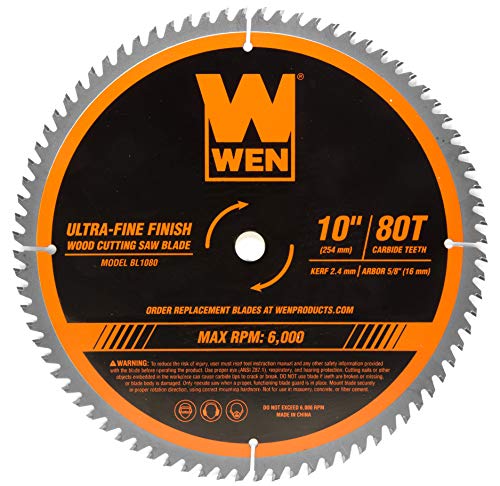
WEN BL1080 10-Inch 80-Tooth Carbide-Tipped Ultra-Fine Finish...
|
|
|
|
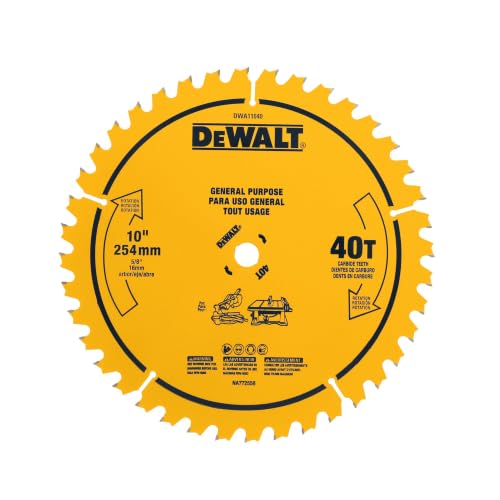
DEWALT Table Saw Blade, 10", 40 Tooth, with Fine Finish, Ult...
|
|
|
|
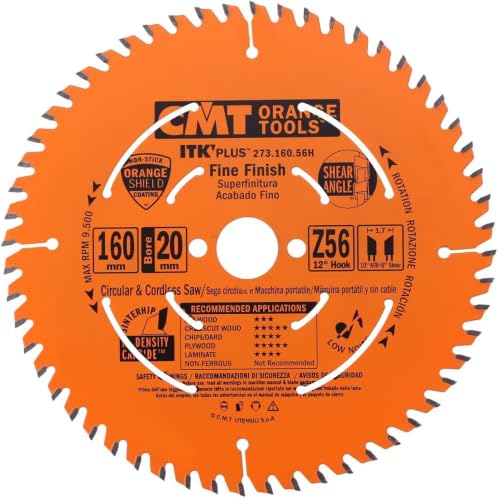
CMT ORANGE TOOLS 273.160.56H ITK Plus FINE Finish Saw Blade ...
|
|
|
|
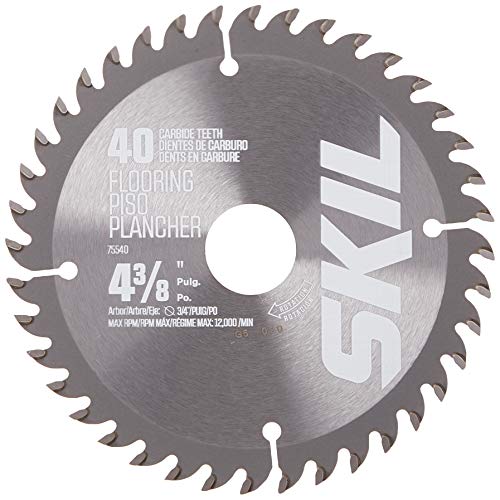
SKIL 75540 4-3/8-Inch by 40T Carbide Flooring Blade
|
|
|

|
Makita B-66977 10" 80T Carbide-Tipped Max Efficiency Miter S...
|
|
Essential Saw Blades for Flawless Hardwood Flooring Cuts
Achieving flawless hardwood flooring cuts hinges on selecting blades that combine sharpness, durability, and precision. Explore these expertly crafted saw blades designed to elevate your woodworking projects.
1. WEN 10-Inch 80-Tooth Carbide-Tipped Ultra-Thin Finish Saw Blade for Precision Cuts
- Featuring a 10-inch diameter (254 mm), a 5/8-inch arbor (15.88 mm) and a rating of up to 6000 RPM
- Perfect for slicing through both hard and softwoods of all kinds
- Ultra-thin 1/10-inch kerf (2.4 mm) provides clean and efficient cuts

Achieving razor-sharp and neat edges on wooden flooring demands more than just any blade—it calls for a tool built to glide through hardwood and softwood with equal ease. The WEN BL1080 features an ultra-thin 1/10-inch kerf that minimizes material waste while delivering impressively clean cuts that reduce tear-out on delicate surfaces.
Constructed with 80 carbide-tipped teeth, this blade produces a smooth, finished edge often sought after in fine woodworking. Its 10-inch diameter and compatibility with most miter, jobsite, and table saws make it a versatile addition to your toolkit without major adjustments.
Operating efficiently at speeds up to 6000 RPM, it balances aggressive material removal and detailed finishing. The relatively high tooth count challenges the common notion that fewer teeth always result in better cuts by proving that precision often wins over speed when working with hardwoods.
Durability meets finesse with WEN’s professional-grade design, so you don’t need to second-guess the blade when working on demanding flooring installations. The silver carbide tips resist wear and maintain sharpness longer, helping you maintain consistent performance across multiple projects.
Best for: Craftsmen and serious DIYers seeking immaculate, precise crosscuts and rip cuts on hardwood and softwood materials.
Pros:
- High 80-tooth count delivers a fine, smooth finish
- Ultra-thin kerf converts to efficient, cleaner cuts
- Compatible with a wide range of 10-inch saw models
- Carbide-tipped teeth ensure extended cutting life
- Rated up to 6000 RPM for versatile cutting speeds
Cons:
- Thinner kerf blades may require more cautious handling to avoid bending
- The high tooth count might slow cutting speed on very thick hardwood slabs
2. DEWALT 10-Inch Table Saw Blade with 40 Carbide Teeth for Precise Wood Cutting
- UP TO 3X LIFE*
- Optimized Tooth Geometry Designed For Increased Accuracy
- Ultra Sharp Carbide for Clean Cutting
Cutting hardwood surfaces demands more than just any blade—it calls for precision and lasting sharpness. This DEWALT saw blade delivers with its optimized tooth geometry designed to enhance accuracy for every slice.
Crafted with ultra-sharp carbide, the blade maintains a clean edge cut that minimizes splintering on dense wood. The 40-tooth configuration strikes a balance between speed and smooth finishes, making it suitable for detailed flooring projects.
Built from durable alloy steel, the blade withstands demanding use and resists dulling, offering up to three times the lifespan of standard options. This makes it a dependable choice when working with various hardwood planks without frequent interruptions to replace the blade.
Designed by DEWALT, a trusted name in power tools, the blade pairs seamlessly with table saws for consistent performance. Its size and design help promote precision cuts and fine finishes, essential for professional results.
Best for: Woodworkers and contractors seeking a resilient cutting tool that produces clean, accurate edges on hardwood flooring installations.
Pros:
- Sharp carbide teeth for cleaner cuts
- Optimized geometry improves cut accuracy
- Durable alloy steel extends blade life
- 40-tooth design balances speed and smoothness
- Compatible with most 10-inch table saws
Cons:
- Might require professional handling for optimal use
3. Diablo PergoBlade 10-Inch PCD Flooring Saw Blade for Precision Wood Cutting
No products found.
Cutting hardwood with finesse demands more than just a sharp blade; it requires specialized design to handle the density and grain variations of flooring materials. Diablo’s PergoBlade offers exceptional durability with its Polycrystalline Diamond teeth, engineered to slice through engineered wood, bamboo, and laminate with consistent precision.
Built with a high-tech anti-kickback feature and laser-cut anti-vibration technology, this blade delivers stable, smooth cuts that reduce tear-out and splintering. The unique geometry and non-stick coating mitigate heat buildup, ensuring your blade stays sharp longer and performs efficiently throughout extensive projects.
Compatibility with miter, slide miter, and table saws provides the flexibility needed for intricate flooring installations, whether you’re a seasoned pro or tackling a DIY remodel. The carefully optimized 12-tooth configuration balances speed and finish quality, making it suitable for both fast ripping and fine trimming.
Freud’s manufacturing expertise ensures each blade maintains its edge far beyond conventional options, keeping your cuts clean and precise over time. The 0.087-inch kerf optimizes material removal without excessive waste, helping preserve your valuable flooring materials.
Best for: Contractors and skilled DIYers requiring a durable, low-vibration blade tailored for hardwood and engineered flooring projects.
Pros:
- Durable Polycrystalline Diamond teeth last up to 75 times longer than standard carbide.
- Anti-kickback and anti-vibration design enhances safety and cut quality.
- Non-stick coating minimizes heat and friction for smoother operation.
- Versatile use across miter, slide miter, and table saws.
- Ideal tooth count for precise cuts on dense flooring materials.
Cons:
- Some users might find the 12-tooth setup less effective for extremely fine finish cuts.
4. CMT Orange Tools Precision 56-Tooth Saw Blade for Fine Finish on Wood Materials
- Diameter 160mm - Kerf thickness 1,8mm - Bore diameter 20 (+16)mm - Number of teeth: 56
- APPLICATION: for crosscuts and finish cuts. The blade considerably reduces material waste thanks to...
- MACHINES: miter saws, table saws, portable and cordless saws
Creating such clean, precise cuts on hardwood requires more than just any blade. The CMT Orange Tools 273.160.56H is designed to limit material waste with its thin-kerf, allowing for sharper, more delicate finish cuts that preserve the integrity of expensive wood.
Its 56 sharp teeth are optimized for crosscutting and fine finishing, making it suitable for both soft and hardwoods, exotic species, plywood, and laminates. Equipped to run on miter saws, table saws, and cordless or portable saws, this blade offers versatility in different working environments.
Reduced kerf thickness means cutting deeper with less effort, and with less damage to the material. The multiple bore sizes (20mm with a 16mm insert) ensure a snug fit on a variety of saw setups, improving stability during operation.
Crafted by CMT Orange, this blade balances material durability and precision, providing an efficient solution for delicate wood flooring or cabinetry applications. It’s especially valuable when working with precious or engineered woods where minimal waste and clean edges are critical.
Engineered for smooth finish cuts and minimal material loss, it helps achieve professional results even on demanding projects.
Best for: Woodworkers or flooring professionals needing accurate, fine finish blades for both hardwood and engineered wood applications.
Pros:
- Thin kerf design reduces material waste
- 56 teeth for smooth crosscuts and finish cuts
- Compatible with various saw types including cordless and miter saws
- Fits multiple bore sizes for versatile setups
- Suitable for exotic and engineered woods
Cons:
- Thinner kerf blades may require careful handling to avoid bending
- Higher tooth count might reduce cutting speed on thicker stock
5. SKIL 4-3/8-Inch 40-Tooth Carbide Blade for Fast, Precise Flooring Cuts
- THIN KERF—Gets your saw blade spinning faster, easier for optimal performance with either cordless...
- ANTI-KICKBACK SHOULDERS—Ensure straight, accurate cuts without the worry of unexpected kickback
- EXPANSION SLOTS—Reduce vibration and ensure the blade runs straight and true
Cutting hardwood flooring flawlessly often feels like a balancing act between speed and precision. The SKIL 75540 blade tackles this challenge head-on with its thin kerf design, allowing your saw to spin faster and deliver smoother cuts whether cordless or corded. Expect less resistance and improved control for both rip and miter cuts.
Engineered with anti-kickback shoulders, the blade helps you maintain straight, accurate cuts without the unsettling surprise of blade kickbacks. Expansion slots minimize vibration, letting the blade run true and steady through engineered or solid wood.
Its induction-hardened carbide teeth stay sharp longer, reducing the need for frequent replacements and keeping your workflow efficient. The clear, anti-stick coating not only lowers heat build-up and friction but also fights rust, enhancing durability over time.
SKIL’s design fits the 3600-02 Flooring Saw perfectly and performs well across laminate, engineered, and solid wood floors. Precise cuts matter in flooring, and this blade delivers a cleaner finish while preserving your tool’s cutting edge.
Best for: Professionals and serious DIYers needing a reliable blade that balances speed, accuracy, and longevity for hardwood floor installations.
Pros:
- Thin kerf enables faster saw speed and less drag
- Anti-kickback shoulders improve cutting safety and precision
- Expansion slots reduce vibration for stable operation
- Long-lasting induction-hardened carbide teeth stay sharp over time
- Clear anti-stick coating reduces friction and rust buildup
Cons:
- Might be less ideal for very coarse or rough cuts where fewer teeth would be preferred
6. Makita 10-Inch 80-Tooth Carbide-Tipped Saw Blade for Precision Wood Cutting
- Up to 100% faster cutting compared to standard blades
- Up to 30% more cuts per charge compared to standard blades
- Thin kerf carbide-tipped design provides smoother cuts with less drag on the motor and minimal...
Cutting hardwood can quickly drain your tool’s power and slow down your workflow if your blade isn’t up to task. Makita’s 10-inch saw blade tackles this challenge head-on with a design focused on efficiency and smooth results.
The thin kerf carbide tips reduce drag on the motor and minimize material loss, letting you slice through wood with noticeably less resistance. Its 80 specially engineered teeth, featuring an ATAFR (alternate top alternate face with raker) pattern, enhance the speed and smoothness of your cuts while easing the load on your saw.
Expect a noticeable boost in performance, with cutting speeds up to 100% faster than standard blades and as much as 30% more cuts per charge thanks to the reduced effort on your tool’s motor. The blade’s robust construction keeps it durable and consistent throughout extended use.
Makita’s blade fits perfectly for detailed crosscuts and miter cuts, delivering clean edges essential for quality woodworking projects. It balances longevity and cutting precision in a package that fits most standard miter saws.
Best for: Professionals and hobbyists aiming for fast, clean cuts in dense hardwood and demanding flooring materials.
Pros:
- Efficient thin kerf reduces waste and motor strain
- 80 carbide-tipped teeth for smooth, precise cuts
- Alternate top alternate face with raker (ATAFR) tooth design speeds cutting
- Compatible with many 10-inch miter saws
- Durable construction for longer blade life
Cons:
- Blade may require careful handling to maintain thin kerf integrity
- High tooth count might slow cross-cutting on very softwoods for some users
7. CMT Orange Tools 201.024.10 10-Inch Ripping Saw Blade with Industrial Carbide Teeth

- Materials: Ideal for Hardwoods; OSB; Plywood; Softwoods; Veneered Plywood; Wood
- Machines: Compatible with Portable Table Saw; Radial Arm Saw; Stationary Table Saw
- Applications: Ripcut or Rips
Precision and durability drive the performance of this industrial-grade saw blade, tailored for clean, straight cuts through hardwood and plywood alike. Its 24 teeth are strategically designed for ripping applications, delivering minimal tear-out and smooth edges on dense wood materials.
Engineered with a laser-cut steel plate body, the blade integrates heat expansion and sound dampening slots, which reduce vibration and noise during operation. The tensioning ring ensures consistent stability while cutting, vital for maintaining accuracy over extended use.
Featuring a tough tri-metal brazing process, the carbide teeth hold their edge longer, even when working with challenging hardwoods and veneered plywood. A non-stick PTFE coating prevents resin buildup, enhancing cutting efficiency and simplifying maintenance. Compatible across portable and stationary table saws as well as radial arm saws, its versatility meets professional and serious hobbyist demands.
CMT Orange Tools has blended premium quality materials and precision engineering in this powerhouse tool, helping you achieve flawless ripping cuts with confidence.
Best for: Professionals or DIY woodworkers needing reliable performance on hardwood ripping tasks and dimensional lumber processing.
Pros:
- Laser-cut heat expansion slots limit blade warping
- Tri-metal brazed carbide teeth offer long-lasting sharpness
- Tensioning ring enhances stability for precise cuts
- Non-stick coating reduces gum and pitch buildup
- Compatible with multiple saw types for flexible use
Cons:
- May require blade guard adjustments due to thickness for some setups
8. Norske Tools 8-1/4 inch 60-Tooth Melamine Plus Saw Blade for Ultra-Smooth Hardwood and Laminate Cuts

- The ULTIMATE finishing blade; features special 35 degree high ATB tooth design for ultra-smooth...
- C4 Micro-grain carbide tips precision sharpened on all sides
- Laser-cut body, anti-vibration and expansion slots reduce noise and vibration during operation
Cutting hardwood flooring or laminate often reveals the faintest imperfections, turning a clean job into a frustrating mess. Precision matters, and this specialized blade tackles that challenge with its 35-degree high ATB tooth design, crafted for exceptionally smooth finishes on melamine, hardwoods, and laminated surfaces.
Engineered with C4 micro-grain carbide tips sharpened on all sides, Norske Tools ensures every cut stays sharp and precise longer than typical blades. The laser-cut steel body includes expansion and anti-vibration slots, reducing noise and wobble so you maintain control over each pass.
Work becomes noticeably easier whether you’re a professional cabinet maker, trim carpenter, or a dedicated DIY enthusiast. This blade’s compatibility with circular saws, jigsaws, and miter saws adds versatility, letting you use one trusted tool across multiple cutting platforms without sacrificing quality.
The blade’s diamond knockout bore makes installation swift and stable, contributing to a confident, balanced cut every time. Enhanced structural design and quality materials combine to tackle hardwood flooring projects demanding longevity and finesse.
Norske delivers a finishing solution that goes beyond rough cuts, helping you achieve polished results without repeated sanding or adjustments.
Best for: Professionals and serious DIYers who require ultra-clean, detailed cuts on hardwood, laminate flooring, and delicate melamine surfaces.
Pros:
- Precision 60-tooth configuration ensures ultra-smooth edges
- Durable C4 carbide tips sharpened on all sides for long-lasting performance
- Anti-vibration and expansion slots minimize noise and blade wobble
- Compatible with multiple saw types for versatile use
- Diamond knockout bore for easy, secure mounting
Cons:
- The high tooth count may reduce cutting speed on thicker hardwoods
- Designed primarily for finishing cuts, it might not be ideal for heavy ripping tasks
9. Evolution 10″ FW255TCT-60 Fine Wood Cutting TCT Blade with Tungsten Carbide Teeth
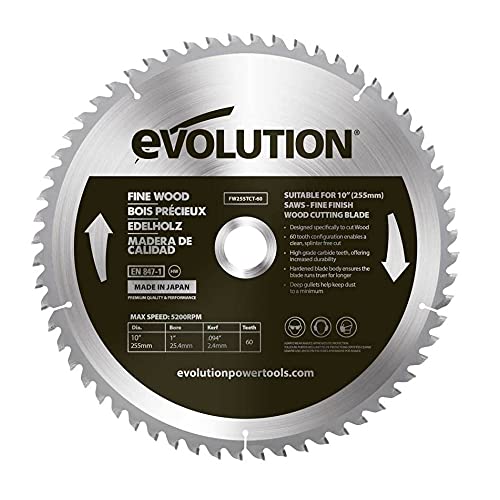
- Fast, Precise Wood Cutting – 10" 60-tooth Fine Wood TCT blade designed for smooth, accurate cuts...
- Durable Japanese Engineering – Made in Japan with high-grade Tungsten Carbide and ultra-strong...
- Wide Tool Compatibility – Perfectly compatible with R10TS and R10TBLX table saws, as well as...
Achieving razor-sharp cuts in dense hardwood and delicate sheet wood demands more than a standard blade. The Evolution FW255TCT-60 rises to this challenge with its 60 finely tuned teeth, engineered to deliver swift, precise slicing while minimizing tear-out.
Crafted under stringent Japanese manufacturing standards, this blade combines a hardened body with high-grade tungsten carbide tips to reduce vibrations and maintain consistent accuracy. The sturdy brazing technique enhances resilience, extending the blade’s usefulness across demanding projects.
Compatibility is streamlined, fitting seamlessly with R10TS and R10TBLX table saws along with 10-inch miter saws, ensuring straightforward integration into your existing toolset for diverse woodworking applications.
Its uniquely optimized tooth geometry, including a ladder flat-tooth profile and adjusted pitch and bevel angles, orchestrates cuts that leave behind impressively smooth, clean edges without splintering.
Thanks to cold-cut technology, heat buildup stays low even during faster cuts, reducing material wastage and enhancing overall efficiency—qualities that experienced craftsmen and hobbyists alike will appreciate.
Incorporating Evolution’s precision design, this cutting tool elevates your workflow through every cross-cut and trim.
Best for: Woodworkers aiming for professional-grade finishes on hardwood floors and engineered wood panels without the hassle of excessive sanding.
Pros:
- Precisely engineered 60-tooth design for fine, tear-free cuts
- Durable tungsten carbide teeth with vibration-reducing body
- Wide compatibility with popular 10″ saw models
- Cold-cut technology minimizes heat and material damage
- Japanese manufacturing ensures consistent quality and longevity
Cons:
- May require slower feed rates with very dense hardwoods for optimal finish
- Blade thickness of 2.4mm might not suit ultra-fine trimming tasks
10. FOXBC 10 Inch 90-Tooth Circular Saw Blade with Ultra-Thin Kerf for Smooth Woodworking Cuts
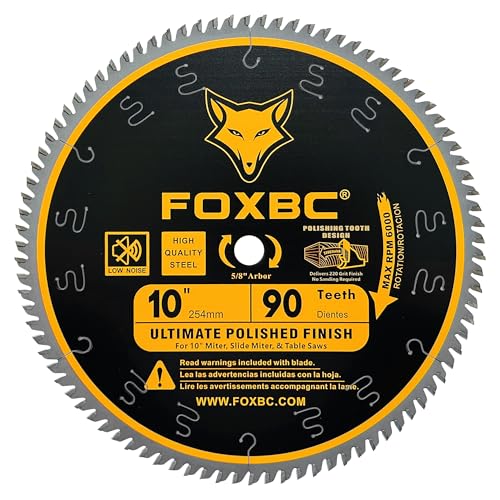
- 10" 90-Teeth Ultimate Polished Finish Saw Blade for Wood, 0.087" Kerf, ASFG, produce extremely...
- Double Side Grind tooth geometry produces ultimate polished finishes equal to at least the finish of...
- Axial Shear-face grind (ASFG) design cleanly shears through material for a superior quality finish
Cutting hardwood flooring demands precision and a flawlessly smooth finish to reduce sanding and touch-ups. The FOXBC 10 Inch 90-Tooth saw blade delivers an exceptionally polished finish through a unique double side grind tooth geometry that rivals the feel of 220-grit sandpaper.
Engineered with FOXBC’s proprietary carbides and an axial shear-face grind, this blade cleanly shears through hardwood, veneered plywood, and moldings, maintaining sharpness and minimizing burn marks. Its ultra-thin 0.087″ kerf reduces material waste and lessens power draw, making cuts faster and easy on your tools.
Compatibility with top-tier brands like DeWalt, Makita, and Metabo means versatility for a range of popular 10-inch miter and table saws. Whether tackling fine hardwoods or delicate veneered surfaces, the FOXBC blade keeps your workflow efficient, producing cuts that require minimal cleanup.
At just 0.09 inches thick and weighing 0.75 kg, this blade balances durability and control for professional-grade woodworking. FOXBC’s focus on application-specific carbide design ensures longevity and outstanding wear resistance over repeated use.
Best for: Professionals and serious woodworking enthusiasts needing precise, polished cuts on hardwood floors and fine wood materials.
Pros:
- Double side grind tooth design yields ultra-smooth finishes
- Ultra-thin kerf for less waste and reduced tool strain
- High-grade proprietary carbide for enhanced durability
- Wide compatibility with popular 10″ saw models
- Clean, precise cuts minimize sanding and rework
Cons:
- May require careful handling due to thin kerf to avoid bending
Key Specs Compared: Top Saw Blades for Hardwood Flooring
| Product Name | Diameter & Arbor | Number of Teeth | Material Type | Kerf Thickness |
|---|---|---|---|---|
| WEN 10″ 80-Tooth Carbide | 10″ diameter, 5/8″ arbor | 80 Teeth | Carbide | 1/10″ (2.4 mm) ultra-thin |
| DEWALT 10″ 40-Tooth Alloy | 10″ diameter | 40 Teeth | Alloy Steel | Not specified |
| Diablo PergoBlade 10″ PCD | 10″ diameter, 5/8″ arbor | 12 Teeth | Polycrystalline Diamond (PCD) | 0.087″ |
| CMT Orange Tools 160mm 56T | 160 mm diameter, 20/16 mm arbor | 56 Teeth | Blend | 1.8 mm |
| SKIL 4-3/8″ 40T Flooring | 4.38″ diameter | 40 Teeth | Blend | Not specified |
| Makita 10″ 80T Carbide | 10″ diameter | 80 Teeth | Carbide | Not specified |
| CMT Orange Tools 10″ 24T Carbide | 10″ diameter, 5/8″ arbor | 24 Teeth | Carbide | 0.126″ / 0.087″ |
| Norske Tools 8-1/4″ 60T Carbide | 8.25″ diameter | 60 Teeth | Carbide, Diamond | Not specified |
What Makes the Best Saw Blade for Hardwood Flooring Tick?

Choosing the right saw blade can mean the difference between a flawless, smooth hardwood floor and a project filled with tear-outs and rough edges. The blade’s design influences how it interacts with dense wood fibers, affecting precision, durability, and finish quality. Pinpointing the factors that make a saw blade suited for hardwood flooring helps you cut smarter, save material, and speed up installation.
Tooth Count: Why Every Edge Matters
Tooth count refers to how many cutting teeth the blade has. It’s a major factor controlling the smoothness of the cut and the speed of the job. Blades with higher tooth counts (around 60–80 teeth) are typically better for finishing cuts on hardwood flooring because they slice cleaner, reducing splintering and tear-out on delicate surfaces.
The mechanics behind it: more teeth mean smaller gaps between cuts, allowing the saw to shear through fibers gently and precisely rather than tearing aggressively. For instance, an 80-tooth carbide blade like the WEN 10-inch delivers a razor-sharp finish by distributing cutting loads evenly across many edges.
Ignoring tooth count can result in rough cuts and chipped flooring edges. Low-tooth blades may cut faster but tend to produce splinters and ragged lines—impossible to fix without sanding or wasteful re-cuts, costing both time and money.
Kerf Thickness: Cutting Material Waste and Motor Strain
The kerf measures the width of the blade’s cut, essentially the material removed during cutting. An ultra-thin kerf reduces the waste of precious hardwood and demands less power to push through dense wood, making it a key efficiency factor.
For example, the WEN’s ultra-thin 1/10-inch kerf (2.4 mm) helps minimize both material loss and motor drag. Thicker kerfs increase friction and resistance, causing saw motors to labor harder and blades to heat up, eventually dulling faster.
Overlooking kerf thickness can lead to increased wood wastage and decreased saw performance. Using a thick kerf on hardwood flooring often means more sanding and can shorten blade and tool lifespan—costs that add up quickly on large projects.
Blade Material Composition: Carbide, Steel, and Beyond
The blade’s cutting edge material defines its sharpness retention and toughness. Carbide tips are common for hardwood flooring blades due to their hardness and wear resistance. Polycrystalline diamond (PCD) teeth, like Diablo’s PergoBlade, add extreme durability for engineered woods and laminates.
Carbide-tipped teeth expertly balance toughness and the ability to hold a sharp edge, performing well through abrasive hardwoods without dulling quickly. Steel blades tend to dull fast and are better suited to softer woods or non-flooring tasks.
Using inferior blade materials results in premature dulling, chipping of teeth, and inconsistent cuts. The wrong material may force repeated blade changes mid-project, wasting time and hiking costs unnecessarily.
Tooth Geometry and Design: The Cut’s Craftsmanship
Tooth geometry covers the shape, angle, and configuration of each tooth—factors that influence cut smoothness and tear-out control. High-angled teeth like a 35-degree ATB (Alternate Top Bevel) design slice aggressively but cleanly, often used on blades for hardwood and laminate floors.
Different tooth patterns serve specific tasks: crosscut blades with many sharp teeth focus on smooth finish cuts, while ripping blades with fewer, larger teeth prioritize fast cuts along the grain. Features like anti-kickback shoulders improve safety and cut stability by reducing blade vibration.
Ignoring tooth geometry leads to subpar finishes, uneven edges, and potential safety hazards. The wrong design for the wood type or cut direction causes splintering and kickbacks—two serious issues on hardwood flooring projects.
Blade Diameter and Arbor Fit: Match for Stability and Safety
Blade diameter and arbor size must match your saw for proper operation. Most hardwood flooring blades come in 10-inch diameters with a 5/8-inch arbor, a standard fit for table and miter saws favored by flooring pros.
Using the wrong diameter compromises cut depth and can cause imbalanced spins that increase vibration, reducing cut neatness and blade lifespan. The arbor bore ensures a tight, stable mount—critical for precision cutting without dangerous wobble.
Ignoring fit risks inaccurate cuts, unsafe operation, and added stress on your tool. It’s common but costly to lose time hunting the correct blade size mid-project or to battle a poorly seated blade that causes chatter marks and poor finishes.
Anti-Vibration and Heat Management Features: Keeping Blades Cool and Steady
Cutting hardwood generates heat and vibration that dull teeth faster and degrade cut quality. Modern blades may include expansion slots and laser-cut bodies designed to reduce noise, absorb vibration, and prevent warping under intense use.
For instance, blades with laser-cut heat expansion slots maintain blade tension and flatness during long, demanding cuts. This precision engineering like that on the Diablo PergoBlade allows smoother, kickback-reduced cuts with consistent sharpness.
Lack of these features leads to blade overheating and warping. The real-world effects are faster dulling, rough edges, and heightened kickback risks—problems that can prematurely halt your flooring project and force costly blade replacements.
Intended Use: Match the Blade to Your Flooring Type and Saw
Each hardwood flooring project varies: solid hardwood, engineered boards, bamboo, laminate, or plywood underlayment. Different blades specialize in handling these materials. For example, CMT Orange Tools blades excel at fine finishing crosscuts, while CMT ripping blades focus on straight, efficient cuts.
Using a blade optimized for hardwood with features like high tooth counts and a thin kerf ensures cleaner cuts on dense woods, while specialty blades with diamond edges handle laminates without wear. Consider your saw type—table saws, miter saws, or portable saws each perform best with specific blade designs.
Ignoring the blade’s intended use means fighting boards that chip, tear, or finish unevenly. Installing a blade unsuited to your material or saw adds frustration, rework, and may damage both wood and tool.
Frequently Asked Questions
What type of saw blade is best for cutting hardwood flooring?
Hardwood flooring cuts demand blades that balance sharpness and durability for smooth, clean edges. Carbide-tipped blades with a high tooth count, typically around 40 to 80 teeth, provide the precision needed for minimal tear-out on hardwood surfaces.
Blades with a thin kerf, such as 1/10-inch or less, reduce material waste and motor strain, improving cut quality. For example, blades like the WEN 10-inch 80-tooth feature an ultra-thin kerf designed specifically for fine woodworking on hardwoods.
Use blades with carbide tips and higher tooth counts when working on hardwood floors to avoid splintering and prolong blade life.
How does the number of teeth affect hardwood flooring cuts?
The number of teeth directly impacts cut smoothness and speed. Blades with more teeth, like 80-tooth models, produce finer, cleaner edges but cut slower. Fewer teeth, such as 24 or 40, cut faster but might leave rougher edges, which may require additional finishing.
For instance, blades with 80 teeth, such as Makita’s 10-inch carbide blade, excel at finish cuts, while 24-tooth ripping blades are faster but less smooth. Choosing depends on your project stage—rough cuts versus fine finishing.
To balance speed and finish, consider blades around 40 to 56 teeth for initial cuts and switch to 80-tooth blades for finishing hardwood flooring.
Are carbide-tipped blades necessary for hardwood flooring installation?
Carbide-tipped blades are highly recommended because they maintain sharpness longer and resist heat damage, essential when working with dense hardwood. The hardness of carbide edges supports cleaner cuts with less chipping or tear-out compared to steel blades.
Blades like the WEN and Makita models incorporate carbide tips, allowing for precise, repeated cuts across tough hardwood without frequent sharpening. This translates to better durability and consistent results.
Regularly inspect carbide blades for chipped tips and replace them if damaged to maintain optimal cutting performance.
Can I use saw blades with fewer teeth for ripping hardwood planks?
Saw blades with fewer teeth, around 24 teeth, are designed for ripping cuts, making them suitable for lengthwise cuts on hardwood planks where speed is prioritized over finish smoothness. They clear material quickly without overheating the blade.
The CMT Orange Tools 10-inch 24-tooth ripping blade is a good example, engineered for straight, clean rips that minimize tear-out on hardwood. However, the finished edge may require sanding or planing afterward.
Reserve low-tooth blades for rough cuts and switch to higher-tooth blades or finishing blades to achieve a smooth surface on visible hardwood flooring.
How should I maintain a saw blade for hardwood flooring to ensure longevity?
Keeping your saw blade clean and sharp is key to cutting hardwood flooring efficiently. Resin and pitch buildup slow down cuts and increase friction, potentially damaging the blade. Cleaning with appropriate solvents prevents this issue and keeps teeth sharp.
Additionally, regularly check for chipped or dull teeth and resharpen or replace the blade as needed. Using proper cutting speed and avoiding overheating also extends blade life.
After each project, wipe the blade clean and store it in a dry place to avoid rust and corrosion that could compromise cut quality on hardwood flooring.
Finding the Ideal Saw Blade for Smooth Hardwood Flooring Cuts
Selecting the perfect saw blade transforms your hardwood flooring project by enabling clean, precise cuts that protect the wood’s integrity. The right blade makes all the difference between rough edges and flawless finishes, influenced by factors like tooth count and kerf width.
High-tooth blades such as the WEN 80-tooth models suit fine finish cuts, while diamond-tipped Diablo blades excel on engineered hardwoods. For heavier ripping tasks, coarser blades offer durability and clean results on dense wood types.
Always confirm blade compatibility with your saw’s diameter and arbor to ensure safety and accuracy. Regular sharpening and careful handling prevent burning and prolong blade life; forcing cuts can damage both blade and material, so patience is essential.
Last update on 2026-10-10 / Affiliate links / Images from Amazon Product Advertising API