Osb Vs Plywood for Roofing: Which Should You Choose?
You’ll save 15% to 30% on roofing costs by choosing OSB over plywood, thanks to its lower price per sheet.
OSB is heavier and less moisture-resistant, making it suited for dry climates.
Plywood offers better durability and moisture handling in humid or coastal areas.
Both materials meet structural standards, but plywood’s lighter weight eases installation.
Proper tools and sealing are essential with either choice.
Explore further to understand the detailed trade-offs and installation tips.
Key Takeaways
- OSB is generally cheaper by $2–$3 per sheet, saving about $200–$350 per roofing project compared to plywood.
- Plywood offers better moisture resistance and durability, making it ideal for humid or rainy climates.
- OSB panels weigh about 11 pounds more than plywood, increasing labor fatigue and installation time.
- Both materials meet structural requirements, but plywood maintains strength better after wet-dry cycles.
- Proper sealing and vapor barriers are crucial to protect OSB from moisture and extend roof lifespan.
OSB vs Plywood Roofing: Complete Side-by-Side Comparison
| Feature | OSB Roofing | Plywood Roofing |
|---|---|---|
| Material Composition | Compressed wood strands bonded with resin | Cross-laminated wood veneers |
| Cost | Lower | Higher |
| Average Savings | Saves 15–30% on roofing costs | Higher upfront investment |
| Structural Strength | Excellent shear strength | Excellent overall strength |
| Moisture Resistance | Moderate; requires proper sealing | Superior moisture resistance |
| Strength After Wet-Dry Cycles | Retains 63–70% strength | Retains about 86% strength |
| Edge Swelling | More prone to swelling | Minimal swelling |
| Drying Speed | Slower | Faster |
| Weight (4×8 Sheet) | About 78 lbs | About 67 lbs |
| Ease of Installation | Heavier and more labor-intensive | Lighter and easier to handle |
| Fastener Holding | Excellent | Excellent |
| Dimensional Stability | Good | Better in humid conditions |
| Best Climate | Dry and mild climates | Humid, rainy, and coastal climates |
| Long-Term Durability | Good with proper moisture protection | Excellent |
| Maintenance Needs | Requires careful sealing and moisture control | Lower maintenance in wet climates |
| Best For | Budget-friendly roofing projects | Long-lasting premium roofing systems |
| Main Advantage | Affordable with solid structural performance | Superior durability and moisture handling |
| Main Drawback | More susceptible to moisture damage and edge swelling | Higher material cost |
OSB vs Plywood: Which Roofing Material Should You Choose?

When deciding between OSB and plywood for your roofing project, you need to weigh cost, durability, and climate suitability carefully.
OSB offers a significant cost advantage, typically $2–$3 less per 4×8 sheet, making it appealing if you’re on a tight budget.
OSB is a budget-friendly option, usually costing $2–$3 less per 4×8 sheet.
However, plywood performs better in humid or rainy climates due to its superior moisture resistance and faster drying time.
OSB requires meticulous sealing to prevent edge swelling and degradation in wet conditions.
You’ll also want to take into account installation factors. OSB is heavier, which can increase labor intensity.
Ultimately, plywood is the preferred choice for long-term durability in moist environments, while OSB suits dry regions where initial cost savings take priority.
Your selection should balance these factors alongside local climate and project budget.
OSB vs Plywood Roofing: Structural Strength Comparison
Evaluating structural strength is essential when choosing between OSB and plywood for roofing. Both materials meet the Structural I (STRUC I) rating by the APA, ensuring they provide adequate support.
OSB often exhibits slightly higher shear strength in standardized tests, giving it an edge in load resistance. However, plywood retains about 86% of its original strength after wet-dry cycles, outperforming OSB, which retains only 63–70%.
You’ll also find OSB offers more uniform thickness and flatness, aiding consistent installation. Fastener retention and nail withdrawal resistance are comparable, so neither compromises fastening security.
When structural strength is your priority, consider OSB’s shear advantages balanced against plywood’s superior durability after moisture exposure. Your choice should align with the specific demands of your roofing project and environmental conditions.
Additionally, the moisture resistance of the materials plays a critical role in long-term performance, especially in environments prone to humidity and wet conditions.
Which Roofing Material Handles Moisture Better: OSB or Plywood?
When it comes to choosing between OSB and plywood, moisture handling is a big deal. So, let’s break it down.
Plywood tends to absorb water faster, but here’s the catch: it usually bounces back better after getting wet. You know, it keeps its shape and strength more reliably.
Now, OSB is a different story. While it can be sturdy, it does tend to swell more at the edges when moisture hits. Because of that, you’ll need to make sure it’s tightly sealed to keep its strength in humid conditions.
Proper sealing and maintenance are essential to prevent moisture-related damage, as untreated wood can lead to swelling and deterioration over time.
Moisture Absorption Rates
Although both OSB and plywood are rated for temporary exposure to moisture, plywood handles moisture better due to its faster drying rate and superior retention of structural integrity after wetting.
Plywood absorbs water more quickly but also dries out faster, minimizing prolonged moisture exposure. OSB, meanwhile, swells markedly at the edges and takes longer to dry, increasing the risk of long-term deformation and strength loss.
You’ll find plywood maintains about 86% of its original strength after wet-dry cycles, while OSB retains only 63–70%. This difference means plywood performs reliably in humid or rainy climates with frequent moisture exposure.
OSB demands tighter sealing to prevent damage. Understanding these moisture absorption rates helps you select the material best suited to your roofing environment and durability needs.
Applying a deep-penetrating preservative can improve moisture resistance and extend the lifespan of wood materials exposed to the elements.
Drying and Recovery
Frequently, the key factor in roofing material performance under moisture stress is how quickly and effectively the material dries and recovers after exposure.
Plywood dries faster and recovers shape more efficiently than OSB, which tends to swell at edges and takes longer to regain form. This makes plywood preferable in humid or rainy climates where moisture exposure is frequent.
You’ll need tighter sealing on OSB to prevent lasting damage. Using a breathable, low-VOC primer can help maintain wall integrity by allowing moisture to escape while preserving adhesion when sealing wood materials.
| Property | Plywood | OSB |
|---|---|---|
| Drying Speed | Faster | Slower |
| Edge Swelling | Minimal | Pronounced |
| Shape Recovery | Quick | Prolonged |
| Moisture Tolerance | Higher | Lower |
| Recommended Climate | Humid, rainy | Dry |
Long-Term Structural Integrity
Since roofing materials face constant exposure to moisture, their long-term structural integrity depends heavily on how well they withstand wet conditions without degrading.
Plywood holds an advantage here because it retains about 86% of its original strength after wet-dry cycles, whereas OSB retains only 63–70%.
While OSB absorbs less water initially, its edges swell more and take longer to recover shape, risking structural compromise over time.
Plywood dries faster and maintains better dimensional stability in humid or rainy climates, making it more reliable for long-term performance.
OSB requires tighter sealing and more vigilant moisture control to avoid degradation.
When you prioritize durability and moisture resilience, plywood is the superior choice for roofing, especially in high-humidity environments where long-term structural integrity is critical.
Its multi-layer construction and strong adhesive bonds contribute significantly to plywood’s resistance to moisture-related warping and sagging.
Weight and Installation Challenges for OSB and Plywood Roofing
Handling and installing roofing panels demand careful consideration of their weight and physical properties. OSB sheets weigh about 78 pounds per 4×8 panel, while plywood is lighter at 67 pounds.
This 11-pound difference per sheet can increase installer fatigue, especially on steep roofs, impacting safety and efficiency.
Keep these installation challenges in mind:
- Heavier OSB panels require more effort and may slow down handling and placement.
- Plywood’s lighter weight reduces worker strain and accelerates installation speed.
- Both materials can be cut and secured with standard roofing tools, but OSB’s weight might necessitate extra labor or equipment support.
Choosing between OSB and plywood means balancing weight concerns with project logistics and safety. Using ergonomic tools can help reduce installer fatigue and improve handling efficiency on heavier panels.
Roofing Cost Comparison: OSB vs Plywood Prices and Savings
When it comes to roofing materials, you’ll notice that OSB usually runs about $2 to $3 less per 4×8 sheet compared to plywood. If you’re tackling an average roofing project, that can translate to savings of around $200 to $350. Pretty significant, right? This 15% to 30% price difference definitely makes OSB an appealing option, especially if you’re on a tight budget.
But before you jump in and choose OSB solely based on price, it’s essential to consider a few other factors. Think about long-term durability and how the material will perform during installation. Making the best choice means balancing immediate savings with future needs. So, weigh your options carefully!
Also, consider the importance of moisture resistance in roofing materials to prevent damage and extend the roof’s lifespan.
Price Differences Overview
Although both OSB and plywood serve as reliable roofing materials, their price differences can markedly impact your project budget.
OSB generally costs $2 to $3 less per 4×8 sheet than plywood, translating to potential savings of $200 to $350 on an average home roof.
This price gap varies regionally, ranging from 15% to 30%, influenced by market conditions.
Consider these key pricing points:
- OSB averages around $6 per sheet, plywood about $10.
- OSB’s lower cost appeals to budget-focused projects.
- Though savings are significant, they represent a modest portion of total roofing expenses.
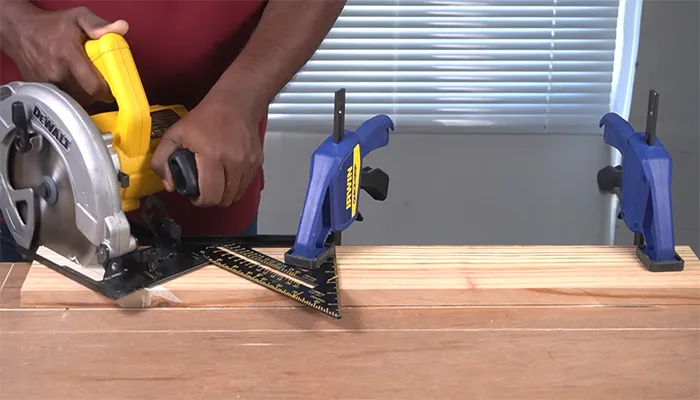
Understanding these pricing differences helps you make informed material choices without compromising quality. Additionally, selecting the appropriate materials and tools, such as a 12-inch saw for larger projects, can further optimize your roofing workflow and efficiency.
Budget Impact Analysis
Understanding the upfront price difference between OSB and plywood sets the stage for evaluating their overall impact on your roofing budget.
OSB typically costs $2–$3 less per 4×8 sheet, translating to $200–$350 savings per average home. This 15% to 30% price gap varies by region and market conditions.
While OSB’s lower cost appeals to budget-conscious projects, the total savings remain modest relative to the entire roof expense.
You should factor in installation challenges too, as OSB’s heavier weight can increase labor costs slightly.
Additionally, plywood’s superior moisture resistance might reduce long-term maintenance expenses in humid climates.
Ultimately, your choice hinges on balancing initial savings with potential durability and labor implications to optimize your roofing investment effectively.
Considering the cost and budget considerations of materials, it’s important to align your choice with the expected usage and long-term performance needs of your roofing project.
Best OSB and Plywood Roofing Choices by Climate and Region
Selecting the best roofing material hinges largely on your local climate and environmental conditions. If you’re in a humid or coastal region, plywood’s superior moisture resistance and structural integrity make it the smarter choice.
Choosing roofing materials depends on climate; plywood excels in humid, coastal environments due to its moisture resistance.
In dry climates with minimal moisture exposure, OSB offers cost-effective performance without compromising strength. Consider these guidelines:
- For rainy or coastal areas, choose plywood to prevent moisture-related swelling and degradation.
- In arid or mild climates, OSB provides consistent thickness and shear strength at a lower cost.
- Weigh installation factors: plywood’s lighter weight aids safety in steep or complex roofs, while OSB may require extra labor support.
Tailoring your choice to environmental exposure optimizes durability and cost-efficiency in your roofing project. Installing a vapour barrier under the roofing materials can further enhance moisture protection and extend the roof’s lifespan.
How Installation Quality Affects OSB and Plywood Roofing Durability
When you install OSB or plywood roofing, the quality of workmanship directly influences the material’s long-term durability.
Precise panel alignment, secure fastening, and proper sealing are critical to prevent moisture intrusion. This is essential because moisture can degrade OSB more rapidly due to its edge swelling tendency.
Plywood tolerates moisture better but still requires careful installation to maintain strength. You must ensure panels are tightly butted and fasteners are correctly spaced and driven to avoid loosening or warping.
Additionally, adequate ventilation and timely application of weather barriers protect both materials from premature deterioration. Skimping on installation increases fatigue and risk of failure, especially with heavier OSB panels.
Ultimately, your attention to detail during installation maximizes structural integrity and extends the service life of either roofing substrate.
Frequently Asked Questions
How Does the Environmental Impact of OSB Compare to Plywood?
You’ll find OSB has a lower carbon footprint than plywood because its manufacturing uses smaller, fast-growing trees and less energy.
While plywood requires larger logs and involves more intensive processing, OSB’s panel composition maximizes wood resource efficiency.
If you prioritize reducing environmental impact, OSB is typically the smarter choice.
However, consider moisture exposure and durability factors alongside environmental benefits to make the best overall roofing decision.
Can OSB Be Used Effectively for Subflooring Under Tile or Hardwood?
You can use OSB for subflooring, but it’s not ideal under tile or hardwood due to its tendency to swell in high-moisture environments.
Plywood offers better dimensional stability and moisture resistance, making it the preferred choice for these applications.
If you choose OSB, you must guarantee excellent moisture control and sealing to prevent swelling and maintain floor integrity.
For long-term performance, plywood is the safer, more reliable option.
What Safety Precautions Are Recommended When Installing Heavier OSB Panels?
Since a standard 23/32-inch 4×8 OSB sheet weighs 78 pounds, you should prioritize safety when installing.
Use proper lifting techniques to avoid strain and consider team lifting for steep or awkward roofs.
Wear gloves to protect your hands from rough edges and guarantee stable footing to prevent slips.
Using mechanical aids like lifts or hoists can reduce fatigue and injury risks during handling and installation.
How Do OSB and Plywood Differ in Appearance and Finish Quality?
You’ll notice plywood has a superior aesthetic with a natural wood grain and smoother surface, making it visually appealing for exposed applications.
OSB, on the other hand, lacks this wood appearance, showing a rough, uniform panel made from compressed wood strands.
While OSB offers consistent thickness, it doesn’t match plywood’s finish quality.
Choose plywood when appearance and surface smoothness matter; use OSB when uniformity and cost-efficiency take priority.
Are There Specific Maintenance Tips for Extending the Life of OSB Roofing?
Want your OSB roofing to last longer?
You need to keep it well-sealed and protected from moisture since OSB edges swell and weaken with water exposure.
Regularly inspect for damaged sealants or flashing, and fix leaks promptly.
Avoid prolonged exposure to rain or humidity by ensuring proper ventilation.
Applying water-resistant coatings and maintaining gutters also helps.
Can you imagine how much damage unchecked moisture could cause over time?
Find the Best Roof Sheathing for Your Climate and Budget
When choosing between OSB and plywood for roofing, keep in mind that OSB panels have a 20% higher swelling rate under moisture exposure than plywood. This impacts long-term durability.
You’ll want to take into account your climate, budget, and installation quality carefully. Plywood offers superior moisture resistance and strength, while OSB often costs less but requires precise installation to avoid issues.
Ultimately, your choice should balance performance needs with cost efficiency for a reliable roof.