Titebond vs Gorilla Wood Glue: A Real Woodworking Comparison
You’ll find Titebond offers stronger bonds that often cause wood to fail before the glue itself, especially with hardwood and structural tasks.
On the other hand, Gorilla Wood Glue expands as it cures, filling gaps but causing brittleness in some cases. Titebond III outperforms Gorilla in waterproofing, making it ideal for moisture-prone projects.
Titebond dries faster, cleans up easier, and suits precise applications. Gorilla is better for quick, rugged assembly. Keep exploring to understand their distinct advantages and best uses.

- This item is a Franklin International 5003 Titebond-2 Premium Wood Glue, 8-Ounce
- Purpose of use for Hardware, wood-glues
- This product is manufactured in United States


- FAST CLAMP TIME: Bonds strong and fast with a clamp time of just 20–30 minutes; fully cured in…
- WATER-RESISTANT FORMULA: Passes ANSI/HPVA Type II water resistance, making it a reliable choice for…
- VERSATILE WOOD GLUE: Formulated for hardwoods, softwoods, and natural wood composites; suitable for…
Key Takeaways
- Titebond III offers stronger, waterproof bonds often stronger than wood, while Gorilla Glue provides good water resistance but weaker bond uniformity due to foaming.
- Gorilla Glue expands while curing, filling gaps but risking brittleness and cracking, whereas Titebond bonds are cleaner and more durable with better long-term reliability.
- Titebond requires shorter clamping times and cleaner application; Gorilla Glue needs more careful cleanup due to foam expansion and longer curing variability.
- Titebond variants suit interior, moisture-resistant, and waterproof applications; Gorilla Glue is ideal for rapid assembly and projects needing environmental resistance.
- Both are FDA approved and non-toxic, safe for food contact, but Titebond III is preferred for demanding outdoor or structural woodworking projects.
Quick Comparison: Titebond and Gorilla Wood Glue Explained
| Feature | Titebond Wood Glue | Gorilla Wood Glue |
|---|---|---|
| Bond Strength | Creates wood-fiber failure in tight joints, indicating extremely strong adhesion | Strong initial hold, but bond uniformity varies due to expansion |
| Curing Behavior | Non-foaming, smooth glue line with consistent strength | Expands while curing, which can introduce brittleness |
| Water Resistance | Available in Type II and Type I waterproof formulations | Offers Type II water resistance |
| Drying Speed | Faster initial set with predictable curing | Sets quickly but full cure varies with humidity |
| Clamp Time | Shorter, more forgiving clamp window | Requires careful pressure control |
| Application Control | Clean application, easy squeeze-out management | Foam expansion can shift joints |
| Cleanup | Water cleanup while wet, easier finishing | Cleanup is difficult once cured |
| Joint Precision | Performs best in tight, well-fitted joints | More tolerant of minor gaps, less precise |
| Long-Term Durability | Maintains flexibility and strength over time | Can become stiffer and more brittle |
Bond Strength Comparison Between Titebond and Gorilla Wood Glue
Although both Titebond and Gorilla Wood Glue offer strong adhesive properties, their bond strengths vary markedly depending on wood type, joint fit, and application conditions.
You’ll find Gorilla Wood Glue achieves higher average bond strength in raw tests, around 27 kg force versus about 19–19.5 kg for Titebond variants. This is mainly due to its foaming, gap-filling action, which benefits cross-grain lumber. Proper application techniques and curing times are important to maximize the glue’s effectiveness and ensure a secure bond.
However, Titebond, especially III, consistently yields bonds strong enough to cause wood failure before glue failure in tight, grain-aligned joints, reflecting superior mechanical adhesion. It also features a thick viscosity, which helps form an unbreakable bond that is water-resistant and meets Type I ANSI and HPVA standards.
Titebond III creates bonds so strong that wood breaks before the glue in well-fitted, grain-aligned joints.
For heavy hardwoods and structural applications, Titebond provides more reliable, durable long-term strength. Gorilla Glue’s foaming can reduce bond consistency on dense hardwoods. Selecting the appropriate adhesive also involves understanding material properties and proper clamping techniques to secure joints during curing.
Consequently, selecting between them depends on joint fit precision and wood grain orientation to optimize bond performance.
Evaluating Water Resistance in Titebond and Gorilla Wood Glue
How well a wood glue resists water can make or break its suitability for your project. Titebond offers three main variants: Original (interior use, no water resistance), II (water-resistant, ANSI Type II), and III (waterproof, ANSI Type I). Proper material-specific adjustments can enhance glue performance depending on the wood type and environmental exposure.
Gorilla Wood Glue meets Type II water resistance standards, protecting against mold and mildew without foaming or expanding.
If your project involves occasional moisture, Titebond III outperforms Gorilla Wood Glue due to its superior waterproof rating.
Both Titebond II and Gorilla Wood Glue provide reliable resistance against intermittent water exposure but may fail under prolonged outdoor conditions.
Neither glue is suitable for constant submersion or full exterior use, where epoxy or polyurethane would be better.
Your choice depends on exposure level: choose Titebond III for waterproofing and Gorilla Wood Glue for water-resistant, mold-protected applications.
It is important to note that Titebond III also offers a longer open time, which can be beneficial for complex glue-ups requiring more working time.
Drying Times and Clamp Requirements for Both Glues
When bonding wood with Titebond or Gorilla Wood Glue, understanding their drying times and clamp requirements is essential to achieving a strong, durable joint.
Titebond variants generally require clamping for 30 minutes to 1 hour for unstressed joints and up to 24 hours for stressed joints. Full cure can take up to 24 hours.
Gorilla Wood Glue needs 20-30 minutes of clamping and a 24-hour cure for maximum strength.
Both glues demand firm clamping pressure of 100-250 psi, adjusted by wood hardness and joint type.
Applying insufficient pressure risks weak bonds, while over-tightening can squeeze out glue and reduce joint integrity.
Environmental factors like temperature and humidity affect curing rates, so adjust clamp duration accordingly to guarantee excellent adhesion and bond strength for your woodworking projects.
For optimal results, consider the material choice of your tools and clamps, as this impacts the overall effectiveness of the bonding process.
Application Techniques and Versatility of Titebond Vs Gorilla
Since proper application techniques directly impact bond strength and project success, understanding how Titebond and Gorilla wood glues differ in versatility is essential.
Proper application techniques are crucial for bond strength; knowing Titebond and Gorilla glue versatility matters.
You must clean and smooth wood surfaces before applying either glue to guarantee maximum adhesion. Using tools with high accuracy ensures proper surface preparation for best results.
Titebond excels at filling medium to large gaps, making it ideal when wood pieces aren’t perfectly fitted. However, ensuring minimal gaps between surfaces is crucial to maximize glue strength and prevent joint failure.
Conversely, Gorilla glue requires tight joints with minimal spacing, as it lacks extensive gap-filling ability.
Titebond can be applied to both surfaces, while Gorilla generally follows a single-surface application per guidelines.
Note that curved and end grain surfaces need adjusted application strategies.
Cleanup is easier with Titebond due to cleaner cutting, whereas Gorilla glue stiffens and complicates residue removal.
Your choice depends on joint fit, wood type, and cleanup preferences.
Longevity and Durability of Titebond Compared to Gorilla Wood Glue
Although both Titebond and Gorilla wood glues provide effective adhesion, Titebond generally delivers greater longevity and durability, especially for demanding woodworking projects.
Titebond’s formulations, particularly III and IV, offer superior bond strength and water resistance, ensuring joints withstand moisture and fluctuating humidity without weakening. Eco-friendly versions of Titebond also provide low VOC content, making them safer for indoor use. Proper material support and stability during assembly further enhances the strength and longevity of glued joints.
Its cured bonds often fail wood fibers before adhesive separation, indicating a bond stronger than the wood itself.
In contrast, Gorilla Wood Glue’s slight expansion during curing can reduce bond uniformity and create brittleness, making joints prone to cracking under stress.
Additionally, Gorilla’s stiffer glue lines compromise durability, especially in gap-filled joints.
If you need consistently durable, flexible, and moisture-resistant bonds for professional or outdoor applications, Titebond stands out as the more reliable choice over Gorilla Wood Glue.
User Experience: Ease of Use and Cleanup
Understanding the longevity and durability of an adhesive is important, but how it handles during application and cleanup can considerably impact your workflow.
When you use Gorilla Glue, expect minimal clamp time and rapid curing. However, brace for significant foaming, which makes joint alignment tricky and creates a messy work area. It also tends to expand and push apart strips when drying, which can compromise the bond. Cleanup is straightforward when the glue is fresh, but it becomes brittle and difficult once cured. Its performance under varying conditions can be likened to the importance of using tools with heat resistance to maintain effectiveness.
In contrast, Titebond offers a cleaner, more predictable application without foam expansion. Though it requires more effort to remove cured excess, especially on curves. Titebond is known for its fast setting, with clamps removable in less than an hour, which speeds up the assembly process.
Titebond dries faster overall, allowing quicker clamp removal. Its harder dried state demands more precise chiseling.
Professionals favor Titebond for its superior usability, predictable performance, and cleaner handling. Gorilla Glue often frustrates users due to its messiness and handling challenges.
Best Use Cases for Titebond Wood Glue
Titebond wood glues really shine in a variety of woodworking projects, whether you’re working indoors or outdoors. They’ve different formulas that are designed to meet specific environmental needs. For projects requiring durability and environmental resistance, selecting adhesives with water resistance is crucial.
If you’re tackling a heavy-duty project, you might want to look into Titebond II or III. These options offer excellent water resistance and bond strength, which means they’ll hold up well under pressure.
Titebond glues are generally water-cleanable while wet, making cleanup easy during your project.
Just keep in mind that choosing the right type really hinges on how much moisture your project will face and how quickly you need the glue to cure for that perfect joint.
Indoor and Outdoor Projects
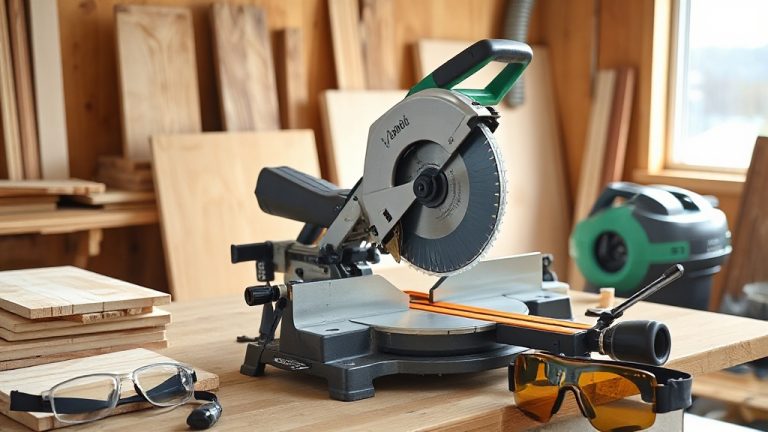
When selecting the right adhesive for your indoor and outdoor woodworking projects, Titebond offers specialized formulas designed to meet varying environmental demands. Their effectiveness is enhanced when used with tools that ensure precise cuts, such as a Metabo miter saw.
Titebond II Premium provides ANSI Type II water resistance, ideal for outdoor furniture, birdhouses, and planters. It has fast set times and a 10–30 minute clamp duration. It’s FDA approved for indirect food contact and cleans up easily with water. Available in multiple sizes, it allows you to choose the perfect quantity for your project needs.
For projects exposed to frequent moisture, Titebond III Ultimate is a better choice. It offers ANSI Type I waterproof classification and longer open assembly time, though it requires up to 48 hours for full strength.
Both adhesives perform well indoors and outdoors and are unaffected by most finishes. They require proper clamping and sound wood for ideal bond strength. Avoid using either for continuous submersion or structural marine applications.
Heavy-Duty Woodworking
Although heavy-duty woodworking demands adhesives with exceptional strength and durability, Titebond wood glues consistently deliver bonds stronger than the wood itself. This guarantees reliable structural integrity.
Titebond III Ultimate stands out with Type I water resistance and an extended open assembly time. This gives you flexibility in complex joins. Its water-based, non-toxic formula cleans up easily and meets ASTM D4236 safety standards.
When using Titebond, guarantee tight-fitting joints and proper clamping for ideal results.
Titebond III’s 8-10 minute open time aids precise alignment in heavy-duty assembly. Clamp times vary: 30 minutes to 24 hours depending on stress level.
Minimal gap filling requires well-fitted joints, preserving aesthetics and strength. It’s approved for indirect food contact, suitable for durable cutting boards and furniture.
Choose Titebond for strong, reliable heavy-duty woodworking bonds. For added precision and safety in your woodworking setup, consider using a SawStop Router Table to ensure stability and reduce vibration during assembly.
Ideal Projects for Gorilla Wood Glue
Since Gorilla Wood Glue offers exceptional bonding power and fast curing times, it excels in projects requiring durable, water-resistant joints and rapid assembly. It also benefits from fast curing times that enhance project efficiency.
You can confidently utilize it for indoor/outdoor furniture repair, food-contact kitchen surfaces, and intricate lamination tasks. Its water-resistant, FDA-approved formula ensures safety and longevity even under environmental stress. Additionally, Gorilla Wood Glue is non-toxic when dry, making it safe to use on kitchen and food surfaces.
| Application Area | Key Feature | Benefit |
|---|---|---|
| Furniture Repair | ANSI/HPVA Type II water resistance | Durable outdoor use |
| Food Contact Surfaces | FDA approved, non-toxic | Safe for kitchen use |
| Lamination & Wood Filler | Sealable, fine dust filler | Smooth, strong finishes |
Frequently Asked Questions
Are Titebond and Gorilla Wood Glue Non-Toxic and Safe for Children?
Yes, both Titebond and Gorilla Wood Glue are non-toxic and safe for children. You’ll find Titebond’s formula approved for chemically sensitive users and indirect food contact, with minimal off-gassing and easy cleanup.
Gorilla’s water-based, PVA composition is also non-toxic, suitable for all ages, and dries quickly. However, you should supervise children during use due to Gorilla’s foaming and faster drying time, ensuring proper ventilation and storage.
Can Either Glue Be Used on Non-Wood Surfaces Like Metal or Plastic?
When it comes to bonding metal or plastic, Titebond is your better bet. However, it’s not a magic wand. You’ll need to prepare the surfaces by cleaning and roughening them for a strong hold.
Avoid polyethylene or polypropylene plastics.
Gorilla Wood Glue, on the other hand, sticks mainly to porous materials like wood and struggles with non-wood surfaces.
For metals or plastics, consider specialized adhesives instead of either wood glue.
How Do Storage Conditions Affect the Shelf Life of Both Glues?
You’ll extend Titebond’s shelf life by storing it in a cool, dry place, ideally a basement or refrigerator to prevent thickening and gel formation.
Avoid freeze/thaw cycles that degrade its bonding properties.
Gorilla Wood Glue also benefits from cool, stable temperatures but typically tolerates room temperature well.
Both glues lose effectiveness if exposed to heat, moisture, or temperature fluctuations.
Consistent, controlled storage conditions are key to preserving their adhesive strength.
Do Either Titebond or Gorilla Glues Have Strong Odors During Application?
If odors were sounds, both Titebond and Gorilla glues would whisper, not shout. You won’t encounter strong smells during application with either brand since both are water-based and emit only mild, non-persistent odors.
Any scent fades quickly as the glue cures, ensuring a safe, comfortable workspace.
You can confidently use either glue indoors without worrying about overpowering fumes or hazardous emissions disrupting your project environment.
Are There Eco-Friendly or Biodegradable Options Within These Glue Brands?
Yes, you’ll find eco-friendly options within Titebond’s line, like their genuine hide glue, which is biodegradable and protein-based but not waterproof.
Titebond III has low VOCs and is non-toxic, yet its waterproof formula limits biodegradability.
Gorilla doesn’t offer specifically biodegradable or eco-friendly variants, focusing on synthetic, water-resistant adhesives.
Neither brand markets fully plant-based, compostable glues, so for greener choices, consider third-party natural glues instead.
Which Performs Better Long Term: Titebond or Gorilla?
When deciding between Titebond and Gorilla Wood Glue, you’ll notice Titebond excels in quick drying and ease of cleanup, perfect for indoor, precise woodworking.
In contrast, Gorilla offers superior water resistance and long-lasting durability, ideal for outdoor or heavy-duty projects.
Both deliver strong bonds, but your choice hinges on the environment and project demands. Balancing fast-setting convenience against robust weatherproofing guarantees you get the right glue for every job.

- Waterproof formula that cleans up with water
- Superior strength
- Designed for interior and exterior applications

- Complete projects fast: Our wood glue only requires 20-30 minutes of clamp time and is fully cured…
- Use indoors or outdoors: Give your indoor or outdoor project a Gorilla Tough bond with a Gorilla…
- Versatile: This wood glue for woodworking and repairs cures to a natural tan wood color, making it…
Last update on 2026-10-25 / Affiliate links / Images from Amazon Product Advertising API