Can You Thin Kilz Primer: Expert Advice for Perfect Results
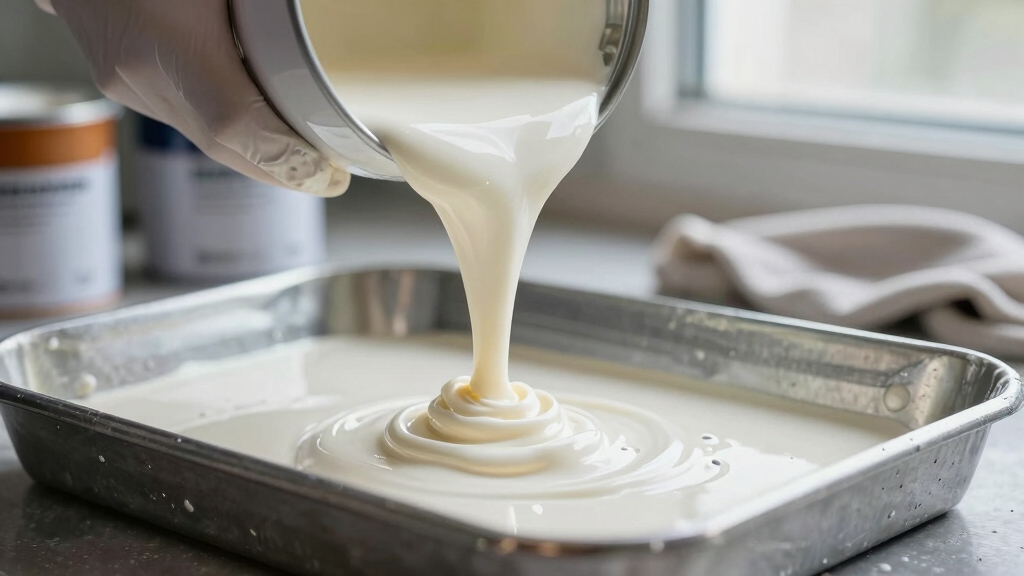
You can thin certain water-based Kilz primers, like Kilz 2 Latex, with up to 10% water per gallon for spray applications.
However, never thin primers designed for stain blocking, such as Kilz 3 Premium or oil-based Kilz Original.
Thinning beyond recommended limits risks poor adhesion, reduced coverage, and compromised stain blocking.
Always use water for thinning latex primers, avoid solvents, and never thin oil-based products.
Understanding proper thinning practices and application methods guarantees peak primer performance.
Key Takeaways
- Kilz 2 Latex can be thinned up to 10% with water for spray applications but avoid thinning for stain-blocking purposes.
- Kilz 3 Premium must be applied undiluted for stain blocking, though minor thinning with water is allowed for non-stain-blocking use.
- Kilz Original (oil-based) should never be thinned; apply it undiluted for proper performance.
- Always use water as the thinning agent for latex-based Kilz primers; solvents are not recommended.
- Thinning beyond manufacturer limits risks reduced adhesion, coverage, stain blocking, and increased drying times.
When and How to Thin Kilz Primer Safely?

Although thinning Kilz primer isn’t always recommended, you can safely thin certain water-based formulas like KILZ 2 Latex primer by adding up to 10% water per gallon for spray applications. This adjustment optimizes viscosity, ensuring smooth atomization through airless spray tips sized between .015″ and .021″.
Thinning KILZ 2 Latex primer up to 10% water improves spray performance with airless tips .015″–.021″.
Avoid thinning for stain-blocking purposes, as it compromises coverage and performance. For other application methods, minimal water addition may be acceptable but always consult manufacturer guidelines.
Remember that oil-based Kilz primers, such as KILZ Original, require no thinning due to their solvent-based formulation. Maintaining recommended surface and ambient temperatures between 10°-32°C (50°-90°F) helps preserve primer consistency during application.
Thinning beyond specified limits risks weakening adhesion and protective properties. Precise measurement and adherence to product specifications are critical for effective, durable priming. Using tools with precision features can help ensure accurate mixing and application for optimal results.
Kilz Primer Types That Allow Thinning and Their Limits
Sure! Here’s a more conversational version of your text:
—
Did you know that you can thin some water-based Kilz primers? For instance, with Kilz 2, you can add up to 10% water per gallon if you’re using it for spray applications. That can really help with the application process!
However, when it comes to oil-based primers like Kilz Original, it’s a different story. You definitely shouldn’t thin those at all.
Also, keep in mind that if you’re using any Kilz product for stain-blocking, thinning is a no-go across the board.
To be safe, it’s always a good idea to check the manufacturer guidelines. That way, you can make sure you’re sticking within the recommended limits for your specific primer type. Happy painting!
For projects involving wood, using a low-viscosity epoxy can help achieve better penetration and adhesion when stabilizing or repairing surfaces.
Water-Based Primer Thinning
When working with water-based Kilz primers, thinning is permissible only under specific conditions and product types.
For Kilz 2 Latex Interior/Exterior Primer, you can thin up to 10% per gallon with water, primarily for spray applications to improve atomization.
However, Kilz 3 Premium strictly prohibits thinning when used for stain blocking. Always use water as the thinning agent; never solvents.
Avoid thinning for brush or roller applications unless the manufacturer explicitly allows minor adjustments.
Keep in mind that thinning beyond recommended ratios can affect adhesion, coverage, and drying time.
Consult product specifications for temperature and surface conditions to maintain peak viscosity.
Thinning isn’t a substitute for warming the product if it becomes too thick due to cold temperatures.
Following these guidelines guarantees proper performance and finish quality.
Additionally, ensuring proper curing time is crucial for coatings to form a durable, water-resistant film, which maintains safety and effectiveness.
Thinning Restrictions Overview
Since thinning affects primer performance, it’s crucial to follow specific restrictions based on the Kilz primer type. For instance, Kilz Original Oil-Based Primer prohibits thinning to maintain its stain-blocking and adhesion properties.
Conversely, Kilz 2 Latex Interior/Exterior Primer allows you to thin up to 10% per gallon with water, primarily for spray applications. However, you must avoid thinning Kilz 3 Premium when using it for stain-blocking, as it compromises efficacy.
Water serves as the thinning agent only for latex-based primers; oil-based primers require no dilution. Additionally, thinning isn’t recommended for stain-blocking tasks across all Kilz primers.
Always consult the technical data sheet for the specific product you’re using to ensure proper application, adherence to temperature ranges, and equipment compatibility to achieve the best results.
Proper surface preparation, including sanding techniques, can significantly improve primer adhesion and final finish quality.
Why Never Thin Kilz Primer for Stain Blocking?
Although thinning Kilz primer might seem like a practical way to adjust consistency for easier application, you should never thin it for stain-blocking purposes.
Thinning compromises the primer’s ability to seal and isolate stains effectively, reducing its binding and coverage strength.
Thinning weakens the primer’s stain-blocking power, diminishing adhesion and coverage effectiveness.
Both oil-based and water-based Kilz primers rely on their original viscosity to create a uniform barrier that prevents bleed-through.
Adding water or any thinner dilutes essential components, undermining stain encapsulation and risking visible discoloration after topcoats.
Manufacturer guidelines explicitly prohibit thinning for stain-blocking applications to guarantee peak performance.
To maintain maximum stain resistance, apply Kilz primer at full strength, following specified temperature and surface preparation protocols.
This preserves the primer’s chemical integrity, guaranteeing reliable stain isolation and long-term coating durability.
Improper dilution can also affect the curing time, leading to incomplete drying and compromised protection.
How Water-Based Kilz Primers Differ From Oil-Based Ones?
Because water-based and oil-based Kilz primers use fundamentally different chemical formulations, their handling, application, and performance characteristics vary markedly.
Water-based primers like Kilz 2 and Kilz 3 rely on latex polymers, offering fast drying, low VOCs, and easy water cleanup. You can thin these with water up to 10% per gallon for spray applications, but never when blocking stains.
Oil-based primers, such as Kilz Original, consist of alkyd resins and solvents. They provide superior adhesion and stain blocking but require mineral spirits for cleanup and can’t be thinned per manufacturer guidelines.
Additionally, oil-based primers need warmer surface and air temperatures during application. Understanding these differences guarantees you apply each primer correctly, preserving adhesion, coverage, and durability without compromising performance or violating manufacturer instructions.
When working in renovation projects involving materials like fiber cement, it is important to consider dust and safety precautions for a healthy work environment.
Best Thinning Agents for Kilz Primer Types
When working with Kilz primers, selecting the correct thinning agent depends entirely on the primer’s base formulation. For oil-based Kilz Original, you shouldn’t thin it at all; doing so risks compromising adhesion and coverage.
With water-based Kilz 2 and Kilz 3, water is your go-to thinning agent, but only for Kilz 2 and up to 10% per gallon, primarily for spray applications. Avoid thinning Kilz 3 when stain blocking is required.
| Primer Type | Thinning Allowed? | Recommended Thinning Agent |
|---|---|---|
| Kilz Original | No | None |
| Kilz 2 Latex | Yes (up to 10%) | Water |
| Kilz 3 Premium | No for stain-block | Water (non-stain blocking) |
Stick strictly to these guidelines for peak primer performance. Proper adhesion and curing times are critical factors to ensure a durable finish, similar to how curing requirements affect applying polyurethane over oil-based finishes.
How Temperature Affects Kilz Primer Thinning and Application?
Following proper thinning practices for Kilz primers sets the foundation for effective application. Understanding how temperature influences both thinning and primer behavior is equally important.
You need to apply Kilz primers within the manufacturer-specified temperature ranges. KILZ 2 should be used between 10°-32°C (50°-90°F) and KILZ Original oil-based between 2°-32°C (35°-90°F).
When temperatures drop below these thresholds, primer viscosity increases. This makes thinning less effective and can potentially harm adhesion. Instead of thinning in cold conditions, warming the product to the recommended temperature range guarantees optimal flow and spray atomization.
Conversely, high temperatures can reduce viscosity, risking over-thinning if you add extra water. Maintaining proper temperature prevents issues like poor coverage or uneven film formation. This ensures consistent primer performance and drying times.
Always consult product guidelines to balance temperature and thinning for your Kilz primer application. Similar to how motor power affects performance in woodworking tools, maintaining optimal conditions ensures the best results.
Kilz Primer Spray Equipment Recommendations
When you’re getting ready to spray Kilz primers, it’s important to pick the right airless spray tip size. You’ll typically want to go with something in the range of .015″ to .021″, depending on the specific product you’re using.
And don’t forget to use a 60 mesh filter! This little detail can really help prevent clogging and ensure a smooth application.
Now, if you’re planning to do some brush work, make sure to grab some high-quality nylon or polyester bristle brushes. They’re great for achieving that perfect coverage across all types of Kilz primers. Happy painting!
For optimal results in a workshop setting, maintaining proper airflow capacity can help reduce airborne particles and improve overall application quality.
Airless Spray Tip Sizes
Selecting the correct airless spray tip size guarantees peak application of Kilz primers, especially for achieving smooth, even coats. For KILZ 2 Latex primer, use tip sizes ranging from .015″ to .021″.
KILZ 3 Premium performs best with tips between .017″ and .021″. These sizes optimize flow rate and atomization, ensuring consistent coverage without overspray or clogging.
Avoid smaller tips that may restrict primer flow or larger tips that waste material and reduce finish quality. Maintain tip condition to prevent uneven application. For best results, ensure the surface is properly prepared, as surface preparation significantly affects primer adhesion and finish quality.
Filtration And Brush Types
To make certain smooth application and prevent nozzle clogging, you’ll want to use a 60 mesh filter screen with Kilz primer spray equipment. This filtration size effectively removes debris and ensures consistent spray patterns, critical for the primer’s performance.
When selecting brushes, opt for high-quality nylon or polyester types, which are compatible with both oil-based and water-based Kilz primers. These materials resist primer absorption, allowing for even spreading and easy cleanup, especially with latex formulations.
For rollers, choose nap heights based on surface texture: 3/8″ to 1/2″ for smooth surfaces and 1/2″ to 3/4″ for porous ones. Proper filtration combined with the right brush or roller optimizes primer adhesion and enhances finish quality, preventing application issues like clogging or uneven coverage.
Adjusting Kilz Primer for Roller and Brush Use
Adjust Kilz primer viscosity carefully to optimize application with rollers and brushes, ensuring even coverage and proper adhesion.
For water-based primers like Kilz 2 or Kilz 3, you may add a small amount of water, generally less than 10% per gallon, to improve flow and workability when rolling or brushing. Avoid thinning for stain-blocking purposes.
Use a high-quality nylon or polyester brush and select a roller nap height based on surface texture: 3/8″ to 1/2″ for smooth surfaces and 1/2″ to 3/4″ for porous ones. Avoid over-thinning to maintain primer integrity. For oil-based Kilz Original, don’t thin; instead, apply directly with proper tools.
Always confirm application temperature and surface conditions to maintain primer consistency and performance during brush or roller application.
Consequences of Over-Thinning Kilz Primer
If you over-thin Kilz primer, you’re really going to notice a drop in its coverage efficiency. This means you’ll end up needing to use more product just to get that solid surface protection you’re after.
But that’s not all. Thinning it too much can mess with the primer’s stain-blocking capabilities. So, you might find yourself dealing with some pesky bleed-through issues.
And let’s talk about application. An overly thinned primer can lead to poor adhesion and uneven drying. That’s definitely not what you want when you’re aiming for a smooth finish!
Reduced Coverage Efficiency
Over-thinning Kilz primer compromises its coverage efficiency, resulting in uneven application and reduced protective performance. When you dilute the primer beyond recommended levels, you risk spreading a thinner coat that fails to adequately seal surfaces or provide uniform opacity.
This weakens the primer’s ability to protect and prepare the substrate for topcoats. You might experience:
- Patchy finish revealing underlying surface imperfections
- Increased number of coats required to achieve desired coverage
- Wasted product due to over-application and runoff
- Poor adhesion of subsequent paint layers
- Frustration from inconsistent drying times and textures
To maintain optimal coverage, always adhere to manufacturer thinning guidelines, especially for oil-based Kilz primers that typically shouldn’t be thinned. Proper application guarantees effective sealing and a consistent base for your paint job.
Compromised Stain Blocking
When you dilute Kilz primer beyond recommended levels, you compromise its stain-blocking properties, which are critical for preventing discoloration and bleed-through on your surfaces.
Over-thinning reduces the primer’s pigment concentration and binder strength, weakening its ability to seal tannins, water stains, and other contaminants.
This diminished barrier allows stains to seep through, undermining the topcoat’s appearance and durability.
Kilz manufacturer guidelines explicitly prohibit thinning for stain-blocking applications to maintain peak performance.
For example, Kilz 3 Premium’s formula requires undiluted application to effectively block stains.
If you thin the primer excessively, you risk needing additional coats or extended drying times to mitigate bleed-through, which defeats the purpose of priming.
To guarantee reliable stain blocking, apply Kilz primer at full strength, adhering strictly to product instructions.
Application Difficulties
Although thinning Kilz primer may seem like a practical solution to improve sprayability, exceeding the recommended dilution limits can cause significant application issues. Over-thinning water-based Kilz primers compromises viscosity, leading to poor adhesion and uneven coverage.
You risk increased drying times and reduced stain-blocking effectiveness, which undermines the primer’s protective properties. Additionally, thin primer layers often result in visible brush or roller marks and may require multiple coats, wasting time and resources.
Frustration from runs and drips ruining your finish. Anxiety over primer failing to hide stains properly. Disappointment with extended drying and project delays. Worry about additional material costs due to reapplication. Stress from inconsistent surface texture compromising paint adhesion.
Stick to manufacturer guidelines to avoid these pitfalls and guarantee peak results.
Testing and Troubleshooting Thinned Kilz Primer Performance
Because thinning KILZ primers affects viscosity and coverage, you need to carefully test the thinned product before full application. Start by applying a small test patch on a representative surface area, using the recommended spray tip size (.015″–.021″ for KILZ 2) or brush.
Observe drying time, adhesion, and uniformity. If thinning exceeds 10% for water-based primers, expect diminished stain-blocking and coverage. Troubleshoot issues like streaking or poor adhesion by adjusting dilution within manufacturer guidelines or warming the product instead of over-thinning.
For stain-blocking tasks, never thin, as this compromises performance. If bleeding or poor coverage occurs, apply a second coat or revert to unthinned primer. Document results for consistency and consult product-specific instructions to guarantee peak performance and durability.
Frequently Asked Questions
Can Thinned Kilz Primer Be Stored for Later Use?
You shouldn’t store thinned Kilz primer for later use. Thinning alters the product’s formulation, potentially compromising its performance and shelf life.
Water-based primers thinned with water may separate or lose adhesion over time. Oil-based primers aren’t designed to be thinned at all.
For best results, thin only the amount you need and use it immediately. Always follow manufacturer guidelines to guarantee primer effectiveness and durability.
Does Thinning Kilz Primer Affect Its Odor?
You might notice a subtle shift in Kilz primer’s scent when you add water, especially with latex-based types.
Thinning can dilute the intensity, making the odor appear less pronounced but not entirely eliminated.
Oil-based Kilz primers maintain their characteristic smell regardless.
Keep in mind, altering the formula can influence drying time and performance.
Always follow manufacturer guidelines to assure peak application and safety precautions.
How Long Does Thinned Kilz Primer Remain Effective After Thinning?
You should use thinned Kilz primer promptly, ideally within the same day of thinning, to maintain its effectiveness. Thinning, especially water-based Kilz primers thinned up to 10%, can reduce shelf life and alter drying times.
Extended storage after thinning risks separation, reduced adhesion, and compromised stain-blocking. Always mix thoroughly before use and avoid storing thinned primer to guarantee peak performance and consistent application results.
Are There Environmental Benefits to Thinning Kilz Primer?
Yes, thinning KILZ water-based primers with water can reduce VOC emissions and waste, providing environmental benefits.
It lowers the primer’s viscosity, enhancing spray application efficiency, which minimizes overspray and material waste.
However, keep thinning under 10% per gallon as recommended to maintain performance and avoid compromising stain-blocking properties.
Always follow manufacturer guidelines to balance environmental impact with peak product effectiveness and durability.
Can Thinning Kilz Primer Reduce Its Mildew Resistance?
Imagine you thin KILZ 2 primer beyond recommended 10% dilution for spray use.
Yes, thinning it excessively can reduce its mildew resistance because it dilutes the active mildew-resistant agents.
These agents rely on precise concentrations to inhibit fungal growth effectively.
So, if you thin the primer too much, especially water-based types, you risk compromising its protective qualities.
Always follow manufacturer guidelines to maintain peak mildew resistance.
The Bottom Line: Thin Kilz Primer Carefully for Professional Results
If you think thinning Kilz primer is as simple as adding water, think again. Over-thinning can turn your primer into watery soup, stripping its stain-blocking superpowers and leaving your walls begging for mercy.
Stick to recommended limits and use the right thinner for your Kilz type. Test before you commit. Otherwise, you’ll be battling drips, poor adhesion, and wasted time like a pro painter trapped in a never-ending paint nightmare.