Best Metal Detector for Woodworking: Find Hidden Gems Easily
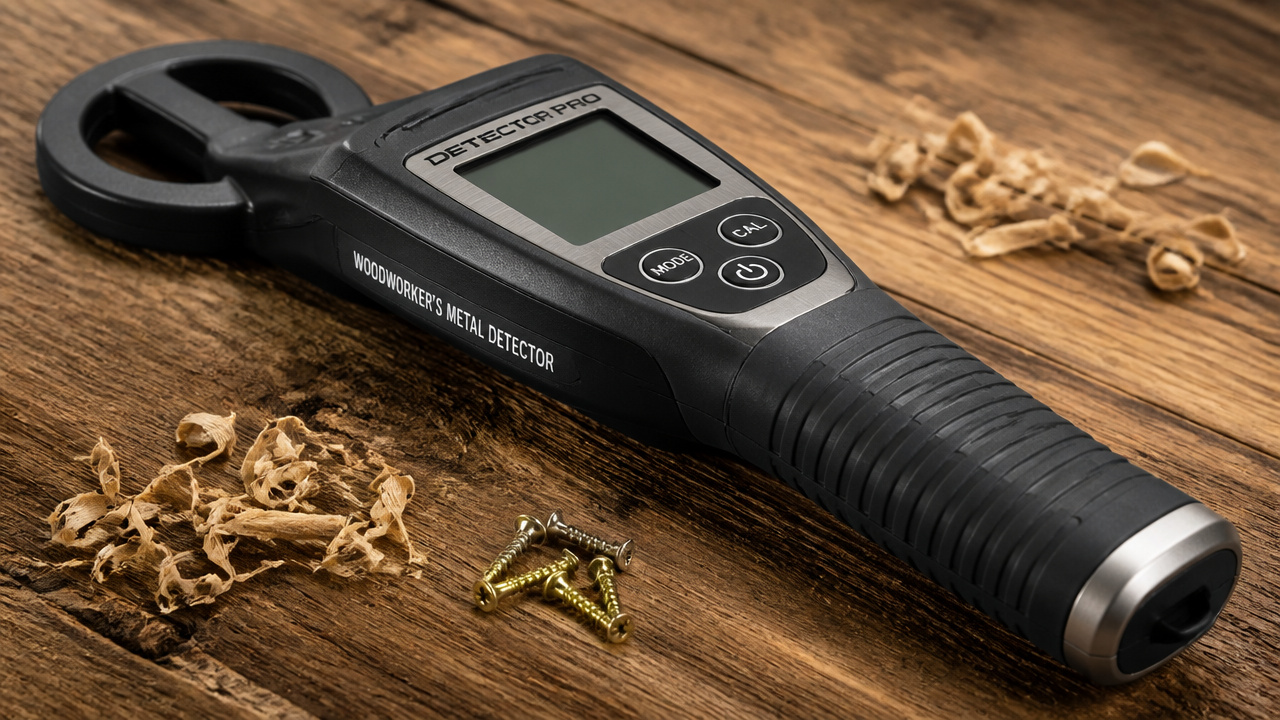
Metal hidden in wood wrecks blades fast. That stubborn nail or screw lurks just beneath the surface. You risk costly damage and wasted time every time you cut without knowing.
The Little Wizard II uses a 5-LED visual detection system to find metal fasteners quickly. The Lumber Wizard 5 takes a different approach with a sharp laser line and audible alert for pinpoint accuracy. Both offer 40 hours of battery life and detect metal up to 1 inch deep.
The Lumber Wizard 5 is ideal if you want instant, precise location alerts on varying wood types, filling the gap for diverse workshop needs.
| Image | Name | Editor's Rating | Price |
|---|---|---|---|
|
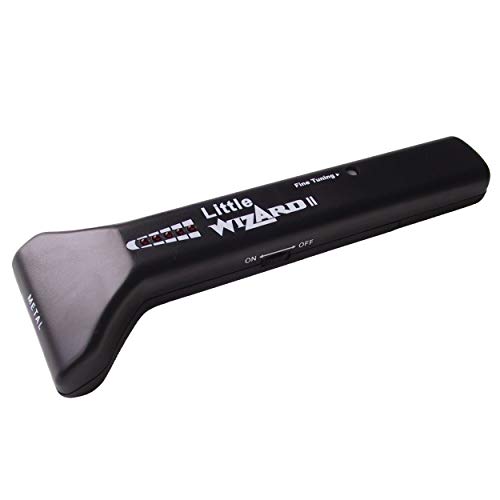
Little Wizard Nail Finder Woodworking Metal Detector
|
|
|
|
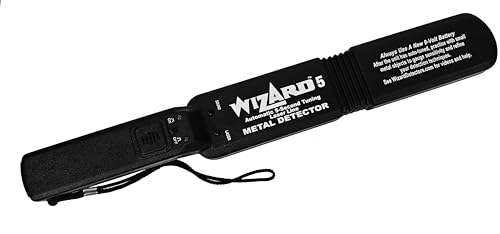
Lumber Wizard 5 Metal Detector for Woodworking
|
|
Essential Metal Detectors for Safe Woodworking Projects
Maintaining tool integrity and precision starts with identifying hidden metals in wood. These metal detectors ensure safety and prevent costly damages during your woodworking tasks.
1. Little Wizard II Nail Finder Woodworking Metal Detector
- ❤ We live and work in Ukiah, California and we provide 100% Satisfaction and will jump through...
- BUDGET-FRIENDLY BLADE PROTECTION – Professional metal detection under $50. Saves expensive planer...
- COMPACT & PORTABLE DESIGN – Pocket-sized powerhouse slips into shop aprons or toolboxes. Ideal for...
Hidden nails and screws in reclaimed wood can wreck your expensive blades before you even spot them. The Little Wizard II Nail Finder changes that by letting you detect metal fasteners with ease, saving costly repairs and interruptions.
This compact metal detector fits comfortably in your hand and workshop apron, so you can scan tight spots or small boards without hassle. Its lightweight build doesn’t tire you out, even during extended use.
What sets this tool apart is its 5-LED visual detection system. Instead of relying solely on sound, it lights up cues to help you gauge the size and proximity of the metal, especially useful amid noisy woodworking environments.
Adjustable sensitivity means you can tune it for tiny finishing nails or larger bolts, ensuring nothing slips past. It works on steel, aluminum, brass, and more, even through hardwood up to an inch thick.
Designed specifically for woodworkers, this detector also helps locate studs by finding drywall screws, adding versatility to your toolkit. Its long battery life means fewer interruptions, and the rugged design withstands frequent shop use.
Best for: Woodworkers and hobbyists wanting an affordable, reliable way to protect blades and improve reclaimed wood projects.
What We Like:
- Compact size perfect for scanning small pieces and tight spaces
- 5-LED system provides clear, visual proximity alerts over noisy beeps
- Adjustable sensitivity detects a wide range of metal fasteners
- Lightweight for ease of use over long periods
- Works on multiple metal types including steel, aluminum, and brass
Specification:
| Specification | User Benefit |
|---|---|
| Battery Powered with 40 Hours Life | Long use time without frequent battery changes for uninterrupted work |
| Compact Dimensions (15″ L x 3.12″ W x 1.12″ H) | Easily fits in toolboxes or aprons for quick access |
| 5-LED Visual Detection System | Gives immediate and clear metal proximity feedback even in noisy shops |
| Adjustable Sensitivity Dial | Lets you fine-tune detection for various nail and screw sizes |
| 2.5-Inch Search Coil | Balances detection depth and compact scanning area for precision |
| Lightweight (1 Pound) | Reduces fatigue during extended scanning sessions |
| Metal Material with IP54 Rating | Durable against workshop dust and splashes for long-term use |
2. Lumber Wizard 5: Essential Metal Detector for Woodworking Safety
- – Detects hidden nails, screws, staples, wire, and metal fragments before they destroy your...
- – Simply turn on and scan - no manual calibration needed. Bright red laser line pinpoints exact...
- – Perfect for salvaged timber, pallet wood, antique furniture restoration, and any recycled wood...
When you think about woodworking safety, detecting hidden metal in lumber rarely tops the list—but it should. The Lumber Wizard 5 metal detector uncovers nails, screws, and even tiny metal fragments embedded in wood before they wreak havoc on your tools.
This device eliminates guesswork by combining a bright laser line and an audible alert, pinpointing metal precisely without tedious calibration. It works instantly, making it easy to scan everything from reclaimed timber to antique furniture pieces with confidence.
Durability matters when relying on a tool day after day. The Lumber Wizard 5’s rugged, lightweight design feels comfortable in hand and fits neatly in any workshop or toolbox. Its battery lasts over 40 hours, so interruptions during longer jobs are rare.
From small finishing nails to larger bolts up to 1 inch deep, it detects all metals safely beneath any wood type. Protecting your expensive blades and reducing downtime, this tool turns uncertain cuts into smooth, damage-free operations.
Compact and dependable, it’s tailored for professionals, hobbyists, and anyone working with pallet wood, salvaged beams, or shop projects that demand extra precaution.
Best for: Woodworkers and craftsmen needing reliable metal detection to safeguard tools and materials before every cut.
What We Like:
- No calibration needed—turn on and scan immediately
- Bright laser line for precise metal location at a glance
- Lightweight and ergonomic for comfortable extended use
- Long battery life keeps you working longer without interruption
- Detects all metal types, including stainless steel and aluminum
Specification:
| Specification | User Benefit |
|---|---|
| Battery Powered (40-hour life) | Offers extended use on a single charge for uninterrupted work |
| Laser-Line Display | Quickly highlights exact metal location for faster detection |
| Search Coil Size: 6 Inches | Balances wide detection coverage with precise pinpointing |
| Adjustable Length (15 Inches) | Adapts to different scanning positions and user preferences |
| Weight: 16 ounces | Light enough to hold comfortably over long periods |
| Operating Frequency: 13 KHz | Optimized for detecting common metals in woodworking environments |
| IP65 Rating | Resists dust and moisture for reliable workshop durability |
Technical Breakdown: Top Best Metal Detector For Woodworking
| Product Name | Battery Life | Detection Range | Display Type | Item Weight |
|---|---|---|---|---|
| Wizard Little Wizard II | 40 Hours | Detects through 1″ hardwood | 5-LED Visual Detection System | 1 Pound |
| Wizard Lumber Wizard 5 | 40 Hours | Detects up to 1″ deep in all wood types | Laser-Line Display | 16 ounces |
What Makes a Metal Detector Ideal for Woodworking Projects?
Finding hidden metal in wood can be the difference between a smooth cut and damaged tools. Choosing the right metal detector means getting reliable detection, ease of use, and precise targeting to protect your blades and enhance your craftsmanship.
Detection Depth and Sensitivity
Detection depth refers to how deeply a metal detector can sense metal embedded in wood, a critical feature since nails or screws can hide beneath thick surfaces. For woodworking, being able to detect metal at least 1 inch deep ensures that you’re protected against embedded fasteners that could damage blades.
This ability depends on the detector’s coil design and sensitivity settings. Devices like the Little Wizard II and Lumber Wizard 5 boast detection up to 1″ inside dense hardwood. High sensitivity adjusts the device’s electromagnetic field to sense smaller metal fragments, crucial when scanning reclaimed or antique wood that may have tiny metallic remnants.
Ignoring sensitivity and depth can lead to missed metal objects, causing costly blade damage or hidden hazards slipping through. A detector that doesn’t penetrate enough or detect small pieces risks exposing your tools and workflow to unexpected interruptions.
Visual and Audible Indicators
The feedback system of a metal detector—how it signals the presence of metal—is vital for fast and accurate use. Many woodworking detectors feature a combination of visual LEDs and audible alerts to communicate detection clearly and immediately.
For example, the Little Wizard II uses a 5-LED visual display that illuminates progressively stronger signals, giving instant visual cues about metal size and location. Similarly, the Lumber Wizard 5 adds a laser-line display that precisely pinpoints metal, paired with audible beeps to reduce guesswork. This mix sharpens user response and scanning speed without requiring constant calibration.
A detector lacking clear, intuitive indicators can cause confusion, slow your work, and increase frustration. Failing to localize metal quickly means more guesswork, greater risk to tools, and longer downtime.
Portability and Weight
Woodworking often demands scanning different sizes of lumber and cramped, hard-to-reach spots. A metal detector’s weight and portability make a tangible difference in comfort and flexibility during long sessions.
The Little Wizard II and Lumber Wizard 5 both weigh approximately 1 pound (16 ounces), making them light enough to hold steadily without fatigue. Their compact design fits easily into workshop aprons or tool belts, allowing continuous scanning on the fly without clumsiness.
Using a bulky or heavy detector can tire your arm quickly, reduce accuracy due to awkward handling, and deter frequent metal checks—leading to overlooked metal and higher risk during woodworking.
Battery Life and Power Management
Metal detectors need to sustain long workshop use without frequent recharging or battery swaps. Battery life measures how long the device can operate on a single charge or set of batteries—a practical concern for uninterrupted work.
Both the Little Wizard II and Lumber Wizard 5 promise up to 40 hours of battery life, which covers extended projects and multiple wood pieces without worry. Efficient power management circuitry helps maintain performance while conserving energy, ensuring detection precision remains stable throughout.
Low battery life interrupts workflow by forcing pauses for charging or battery changes. Running out of power mid-task risks missing metal and damages, making robust battery capacity a must-have feature.
Display Type and User Interface
The type of display governs how easily you interpret detection results. In woodworking, clarity and quick comprehension reduce scanning time and errors, especially on varied wood types and grain patterns.
The Little Wizard II employs a straightforward 5-LED visual display that shines brighter or adds lights as metal gets closer, while the Lumber Wizard 5 uses a laser-line display to precisely highlight the metal’s exact location on the wood surface. Both interfaces minimize ambiguity and improve targeting accuracy with minimal learning curve.
A detector with a confusing or cluttered interface may slow users down and cause missed detections. Clear, purposeful displays support faster decision-making and ultimately offer better protection against embedded metal.
Calibration and Ease of Use
Calibration adjusts the metal detector to compensate for different wood densities and environmental factors, influencing accuracy. For practical woodworking, a detector that works instantly without tedious calibration speeds up the safety check process and ensures reliable results.
The Lumber Wizard 5 notably operates with no complex setup, providing immediate alerts without requiring lengthy adjustments. This saves time and prevents user errors that stem from incorrect calibrations or complicated menus, making it accessible for beginners and professionals alike.
If a metal detector demands frequent calibration or complicated controls, users might skip scanning steps or misinterpret signals, increasing the risk of damage. Easy, straightforward operation enhances consistent metal detection and safer woodworking practices every time.
Frequently Asked Questions
How deep can the best woodworking metal detector find nails or screws?
Woodworking metal detectors typically detect metal up to about 1 inch deep, which is enough to find hidden nails or screws beneath the surface without damaging your tools. This depth is crucial to ensure precision during woodworking tasks. Depth capability varies slightly but generally hovers around this range for effective use in hardwoods.
For example, the Little Wizard II and Lumber Wizard 5 both offer 1-inch detection depth, which covers most common woodworking scenarios involving reclaimed lumber.
Always check the exact detection depth before buying and test on similar materials to your regular projects for best results.
What type of display is best for a woodworking metal detector?
Clear visual indicators are crucial to identify metal presence quickly and precisely. Options like a 5-LED system or a laser-line display help pinpoint hidden fasteners without guesswork while you work.
The Little Wizard II’s 5-LED visual detection system offers straightforward feedback, whereas the Lumber Wizard 5’s laser-line display projects an exact scanning line for finer accuracy in larger wood pieces.
Look for displays that are easily readable in your workshop lighting and offer immediate feedback to avoid delays or mistakes.
Is battery life an important factor in choosing a metal detector for woodworking?
Long battery life supports sustained workshop use without interruptions. Both recommended detectors provide about 40 hours of continuous use, sufficient for most woodworking sessions. Having reliable power ensures you can complete thorough scans without delays.
This extended runtime ensures you won’t need to frequently recharge or change batteries, which is key when scanning multiple boards or entire projects. It also helps maintain focus and efficiency during intricate work.
Carry spare batteries or a charging option as a backup if you anticipate long, continuous use to keep your workflow steady and avoid unexpected downtime.
How portable should a metal detector be for woodworking purposes?
Portability matters to comfortably scan tight spots and handle small pieces of wood. Devices like the Little Wizard II weigh about 1 pound and have a compact design that fits in a workshop apron or hand.
The Lumber Wizard 5 is similarly portable at approximately 16 ounces, allowing extended scanning sessions without fatigue.
Choose a lightweight, ergonomic detector to avoid hand strain and allow quick, frequent use during complex or detailed woodworking.
Can these metal detectors find tiny metal fragments in reclaimed wood?
Detecting smaller metal fragments is possible but depends on the sensitivity and display system. The Lumber Wizard 5 excels at spotting tiny metal pieces with its laser-line and audible alert for precise identification, making it ideal for detailed woodworking projects.
Tools like the Little Wizard II also detect small nails and screws efficiently but rely solely on visual cues, which might require closer attention in detailed work to avoid missed fragments.
When working with highly reclaimed wood, combine metal detectors with careful visual inspection for best safety and tool preservation.
Enhancing Woodworking Safety with Precision Metal Detection
Discovering hidden metal fragments in your lumber can prevent significant damage and costly delays. Choosing the right metal detector tailored for woodworking ensures you identify these risks early, transforming your workflow with increased safety and project reliability.
For delicate, small-scale work, compact detectors like the Little Wizard II are ideal, while professionals handling large or reclaimed wood benefit most from the Lumber Wizard 5’s advanced targeting capabilities, balancing accuracy and ruggedness.
Maintain optimum performance by keeping your detector’s battery fully charged and making slow, overlapping scans to catch all embedded metals. Always exercise care when working after detection, as minute or deeply set metals may evade initial sweeps.
Last update on 2026-10-27 / Affiliate links / Images from Amazon Product Advertising API