
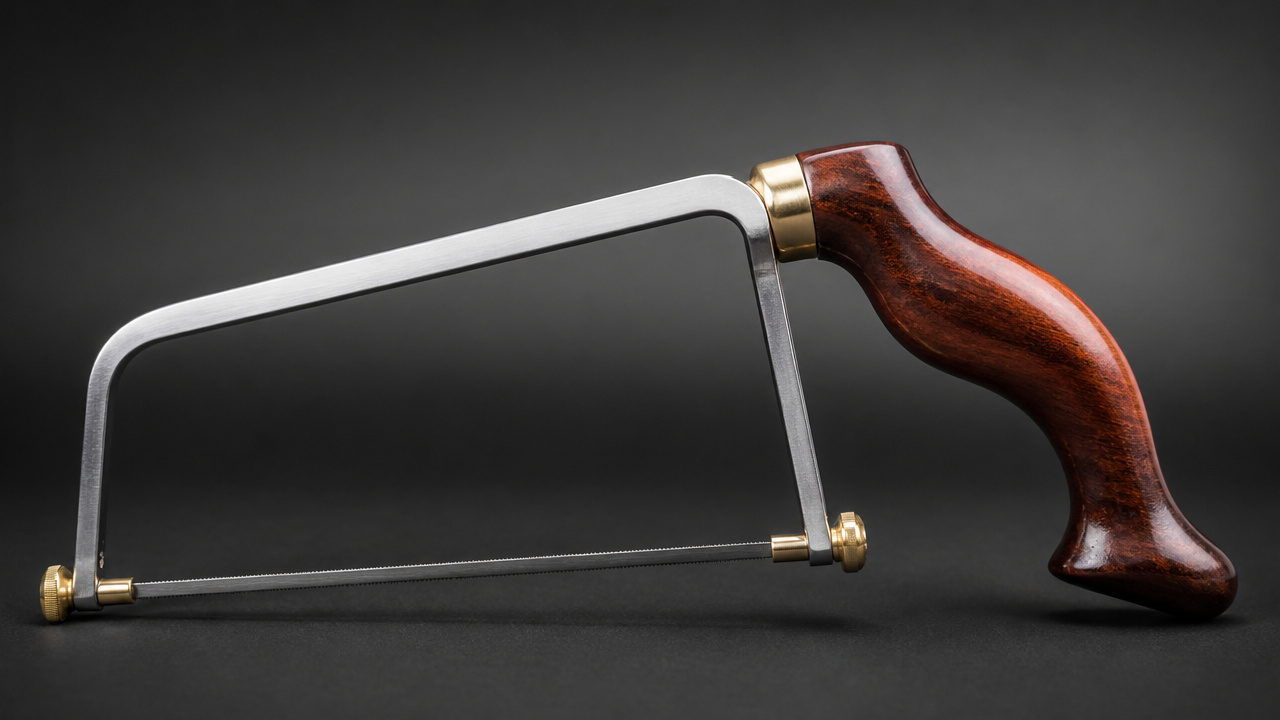
Best Fret Saw Guide: Top 8 Picks for Precision Woodworking
You know that frustrating moment when your fret saw just won’t cut cleanly or hold tension right? The blade twists, the tension slips, and the delicate woodwork gets ruined before you even finish one fret slot. That wobble kills precision, and redoing the work wastes hours.
The Knew Concepts 5” Mk.IV uses a swivel blade clamp that rotates 360 degrees to keep tension perfect on every angle. The RUITOOL Japanese 6 Inch Double Edge Pull Saw focuses on precision with its dual-edge SK5 steel blade giving sharp, adaptable cuts on hardwood or softwood.
StewMac’s Fret Slotting Saw with a depth stop fills the gap for those demanding consistent fret slot depth to avoid accidental damage during cuts.
| Image | Name | Editor's Rating | Price |
|---|---|---|---|
|
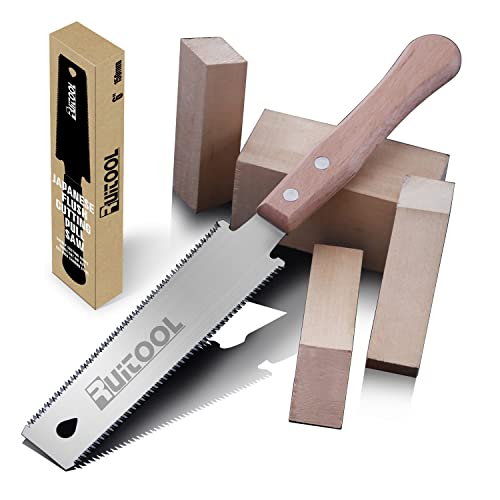
RUITOOL Japanese Hand Saw 6 Inch Double Edge Ryoba Pull Saw ...
|
|
|

|
Knew Concepts 5 inch Mk.IV Heavy Duty Fret Saw | With Lever ...
|
|
|
|
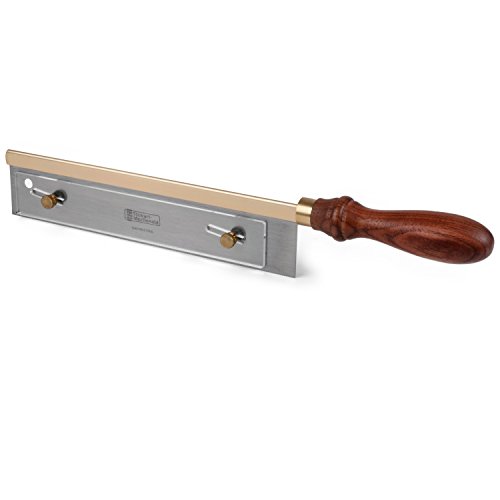
StewMac Fret Slotting Saw with Depth Stop, .023 Inch Blade
|
|
|

|
ALS Guitar Fret Slotting Saw with Depth Stop - Includes Inst...
|
|
|

|
HOSCO Luthiers Tools TL-H-SCSWD04 Fret Slot Cleaning Saw Dou...
|
|
Discovering the Best Fret Saw for Precision Woodworking
Unlock the potential of your woodworking projects with fret saws designed for accuracy, versatility, and durability. These expertly crafted saws elevate intricate cuts and fret slotting to professional standards.
1. RUITOOL Japanese 6 Inch Double Edge Pull Saw – Precision and Durability for Woodworking
- An Idea Gift for Woodworker, Carpenter and Craft Man
- Optimal Blade Size: Through numerous manual tests, We found that the 6" Japanese saw blade is the...
- Durable and Flexible Saw Blade: The hand saw blade is made of SK5 high-carbon steel. The Japanese...
Finding the ideal saw for intricate woodworking can be surprisingly tricky. The RUITOOL Japanese Hand Saw stands out by combining precision with durability in a way many users overlook.
This 6-inch pull saw excels in flush and finish cuts, offering control that feels intuitive once you try it. Its blade, crafted from SK5 high-carbon steel, maintains sharpness and flexibility, adapting to hardwood or softwood with ease.
One side has 17 TPI teeth tailored for hardwood, while the other with 14 TPI suits softwood cuts, working as both rip and crosscut. This dual edge design means fewer tool swaps and smoother workflow.
Thanks to the hardened 3-edge teeth designed for quick chip removal, every stroke feels efficient without excessive effort. The beechwood handle offers both strength and comfort, letting you work longer without fatigue.
Maintenance is straightforward—keep the flexible blade clean and dry to preserve its cutting edge. Although hand-powered and lightweight, it doesn’t compromise on performance, making intricate woodworking less frustrating.
Best for: Woodworkers and carpenters needing a versatile saw for detailed flush and finish cuts.
What We Like:
- Dual 14/17 TPI blade edges for optimized cutting of hardwood and softwood
- Flexible SK5 steel blade delivers sharp, precise cuts with less effort
- Hardened three-sided teeth design enhances chip removal and smoothness
- Ergonomic beechwood handle ensures comfortable, extended use
- Lightweight construction for easy control and maneuverability
Specification:
| Specification | User Benefit |
|---|---|
| Blade Length: 6 Inches | Supports precise and controlled cutting for detailed work |
| Blade Material: SK5 High-Carbon Steel | Offers long-lasting sharpness and blade flexibility for varied cuts |
| Teeth Per Inch: 14 and 17 TPI double-sided | Enables efficient cutting across both softwood and hardwood types |
| Handle Material: Beechwood | Provides a sturdy, comfortable grip for better handling |
| Blade Shape: Rectangular | Facilitates flush cuts with minimal effort |
| Weight: 0.11 Kilograms | Lightweight design reduces user fatigue during prolonged use |
| Cut Type: Pull Saw | Delivers cleaner cuts through pulling action for precision |
2. Knew Concepts 5” Mk.IV Heavy Duty Fret Saw With Lever Tension and Swivel Blade Clamps
- Swivel blade clamp model; can rotate the saw blade a full 360, with click stops every 45
- Heavy duty version of Standard Knew Concepts Fret Saw
- Cam Lever Tension is designed for rapid, repetitive blade changes
Many fret saws claim precision, but few offer the blend of flexibility and durability found in the Knew Concepts 5” Mk.IV. This heavy-duty fret saw challenges the usual expectation that all fret saws are fixed in their grip and tension systems.
The standout feature is its swivel blade clamp, which rotates a full 360 degrees with tactile stops every 45 degrees. This adds a remarkable degree of control and versatility when cutting intricate curves or tight corners in wood.
Its cam lever tension system lets you change blades rapidly and maintain consistent tension with ease. You won’t spend extra time adjusting your saw amid detailed work, making this saw reliable under repetitive use.
Built tough, the saw sports an aluminum handle and a high-speed steel blade designed to stay sharp through demanding tasks. Paired with a 15 TPI #7 skip-tooth blade, it cuts cleanly and fine on wood, enhancing your craftsmanship without frequent blade swaps.
Maintenance is straightforward thanks to the unique blade holder—changing or tensioning blades becomes a simple task, not a frustrating chore. At just 9 ounces, this saw balances heft and control without fatigue.
Best for: woodworkers seeking enhanced maneuverability and quick blade changes for detailed cutting projects.
What We Like:
- Full 360-degree swivel blade clamp for precise angle adjustments
- Cam lever tension enables fast, consistent blade changes
- Durable aluminum handle and heavy-duty construction
- Supplied with a finely toothed blade ideal for intricate woodwork
- Ergonomic design reduces strain during extended use
Specification:
| Specification | User Benefit |
|---|---|
| Swivel Blade Clamps | Allows blade rotation at multiple angles for complex cuts |
| Lever Tension System | Simplifies blade tensioning and quick replacement |
| Blade Length: 5 Inches | Fits precise, intricate cutting requirements |
| Blade Material: High Speed Steel | Retains sharpness for consistent cutting quality |
| Handle Material: Aluminum | Provides sturdy grip while remaining lightweight |
| Weight: 9 Ounces | Offers balance between stability and ease of handling |
| Included Blade: 15 TPI #7 skip-tooth | Optimized for clean cuts on wood surfaces |
3. StewMac Fret Slotting Saw with Depth Stop – Precision Tool for Accurate Guitar Fretboard Slots
- CUT PRECISE, CLEAN FRET SLOTS: .023" blade matches standard fretwire for accurate slotting with...
- ADJUSTABLE DEPTH STOP: Slide-on acrylic stop prevents overcutting and ensuring uniform fret...
- PREMIUM SHEFFIELD STEEL: Corrosion-resistant steel with precision pull-cut teeth for smooth, clean...
Cutting perfect fret slots demands more than just steady hands—it requires a saw designed exactly for the task. The StewMac fret slotting saw features a .023″ blade tailored to precisely match standard fretwire, eliminating guesswork for cleaner, more consistent fret inserts.
Unlike common saws that risk overcutting and damaging delicate fretboards, this saw comes with an adjustable acrylic depth stop. It slides smoothly to limit blade depth, ensuring uniform cuts and protecting your workpiece in every slotting pass.
Crafted from corrosion-resistant Sheffield steel, the blade holds its edge and offers pull-cut teeth engineered for smoother, cleaner slicing through wood and acrylic. Combined with a sturdy brass-backed spine, the blade stays rigid under pressure, helping you make straighter, more controlled cuts every time.
The tool’s design includes a comfortably turned hardwood handle, balancing control and comfort during intricate fretwork. Maintenance is straightforward, thanks to the durable materials that resist rust and wear in a busy workshop environment.
While specialized for guitar fret repair and installation, this fret saw shines wherever precision slotting is needed on small wood, acrylic, or brass components. Its focused design helps both professional luthiers and serious hobbyists tackle fretboarding tasks without the frustration or mess of inferior blades.
Best for: Luthiers and guitar repair professionals requiring precise, repeatable fret slots during fretboard work.
What We Like:
- Blade thickness sized to perfectly fit standard fretwire for accurate slotting.
- Adjustable depth stop prevents accidental overcutting on fragile fretboards.
- Durable Sheffield steel blade with pull-cut teeth delivers clean, smooth cuts.
- Rigid brass backing keeps the blade straight for controlled, precise cuts.
- Comfortable hardwood handle designed for detailed hand control.
Specification:
| Specification | User Benefit |
|---|---|
| Blade Thickness (.023″) | Matches standard fretwire for perfect slot fit. |
| Adjustable Depth Stop | Prevents cutting too deep to protect your fretboard. |
| Material: Sheffield Steel | Resists corrosion and maintains sharpness for reliable cuts. |
| Brass-Backed Spine | Keeps blade rigid for straighter, cleaner cuts. |
| Handle: Turned Hardwood | Offers comfortable grip and precise control. |
| Blade Length (10 inches) | Long enough for various fret slotting tasks with ease. |
4. ALS Guitar Fret Slotting Saw with Depth Stop – Precise Control from Australian Luthier Supplies
- Made in Sheffield England
- Quality 10" English tempered steel blade - Adjustable guide for accurate depth slots
- 0.023" (0.58mm) width of cut to fit fretwire perfectly
Precision is often sacrificed in fret slotting, yet many assume all fret saws deliver the same control. This ALS Guitar Fret Slotting Saw challenges that by offering pinpoint accuracy with every cut.
Crafted in Sheffield, England, its 10″ tempered steel blade holds an impressively precise 0.023″ cut width, matching fretwire perfectly. The saw cuts on the pull stroke, a design that helps minimize blade drift and ensures neat, straight slots.
This model incorporates an adjustable depth stop guide, a feature that offers consistent slot depths, preventing fretwire seating issues and improving playability. The wooden handle adds comfort, enabling controlled, fatigue-free work sessions.
Maintenance stays straightforward thanks to quality materials that retain sharpness and resist wear. Plus, the included instructions from Australian Luthier Supplies make setup and use approachable even for those new to fret slotting.
Best for: Luthiers and guitar makers seeking a precise, durable fret saw for clean, confident fret slotting.
What We Like:
- Highly precise 0.023″ cut width fits fretwire snugly
- Pull-stroke design improves cutting accuracy and blade alignment
- Adjustable depth stop guide ensures consistent slot depth
- Durable tempered steel blade maintains sharpness
- Clear instructions aid correct usage and setup
Specification:
| Specification | User Benefit |
|---|---|
| Blade length (10 inches) | Allows long, clean cuts suitable for guitar fret slots |
| Cut width (0.023 inches) | Matches fretwire thickness precisely for snug fit |
| Pull stroke cutting | Improves control and reduces blade wandering |
| Adjustable depth stop guide | Prevents cutting too deep, protecting fretboard integrity |
| Wood handle | Offers comfortable grip for steady handwork |
| Blade material: tempered steel | Maintains sharpness and durability over time |
5. HOSCO TL-H-SCSWD04 Double-Edged Fret Slot Cleaning Saw
- Double-edged type
- Blade thickness: 0.02 inches (0.4 mm)
- The blade is ground on one side and the other is pulled so you can work without changing the...
For intricate guitar fret slot cleaning, the HOSCO TL-H-SCSWD04 offers a precision edge that many fret saws overlook. It’s not just about cutting; it’s about working efficiently in tight spaces without flipping the tool.
This fret slot cleaning saw features a cleverly designed double-edged blade, allowing you to cut on both sides without changing direction or repositioning the neck. That simplicity saves time and reduces the risk of damaging delicate wood surfaces.
The blade thickness sits at a thin 0.02 inches (0.4 mm), ideal for tight, clean cuts within fret slots. The blade is crafted from high-speed steel, ensuring durability and consistent sharpness even with frequent use on wood surfaces.
Though compact with a plastic handle for easy grip, this tool doesn’t compromise on stability. Its overall dimensions make it comfortable in hand and accessible in tight fret slots where precision matters most. Maintenance is straightforward; keeping the blade clean and sharp extends its life significantly.
Best for: Luthiers and guitar technicians needing a reliable, precise fret slot cleaner that works efficiently on wooden guitar necks.
What We Like:
- Double-edged blade design allows cutting without changing neck position
- Thin, high-speed steel blade ensures clean, precise fret slot work
- Compact and lightweight for ease of handling in tight fret areas
- Plastic handle offers firm grip while maintaining tool balance
- Includes two replacement blades for extended use
Specification:
| Specification | User Benefit |
|---|---|
| Blade Thickness (0.02 inches / 0.4 mm) | Allows precise work in narrow fret slots without damaging wood |
| Double-Edged Blade | Enables cutting from either side without flipping or repositioning tool |
| Blade Material: High-Speed Steel | Maintains sharpness and durability for consistent cuts over time |
| Handle Material: Plastic | Provides comfortable grip while keeping the tool lightweight |
| Blade Shape: Rectangular | Facilitates clean, straight cutting lines in fret slots |
| Number of Teeth: 14 | Balances smooth cutting action with precision control |
6. The Quick-Slotter Fret Miter System & Saw – Precise Fret Slots Every Time

- Easily slot guitar fretboards without measuring, marking or mistakes
- Accepts fretboard blanks up to 3 inches wide, and 1/4-inch thick
- Available in three common scale lengths (see separate listings)
Cutting fret slots has long been a challenge where even a slight mistake means wasted materials and lost time. Imagine a tool that completely eliminates measuring guesswork and complex setup.
The Quick-Slotter Fret Miter System & Saw is designed exactly for this kind of precision: it enables you to make perfect fretboard slots every single time. You don’t need to mark or measure before each cut—the system guides the saw using calibrated depth stops, reducing the chance of error.
This setup accepts fretboard blanks up to 3 inches wide and 1/4-inch thick, supporting common guitar neck sizes with a 25.5-inch scale length version among its range. It includes a thin-kerf fretting saw made in the USA, built to pair seamlessly with the miter system for clean, consistent cuts.
Durability is assured by a sturdy wooden frame and body that hold up during repeated use, while synthetic and wood materials for the neck and fretboard offer compatibility with various builds. The system comes pre-assembled, which means less hassle getting started, plus helpful how-to sheets for advanced fretting techniques such as diatonic and zero fret applications.
Maintaining accuracy is straightforward because the stops and saw blade wear slowly and can be recalibrated with minimal downtime. For anyone crafting fretboards, this tool transforms an often tricky task into a routine process with reliable, professional results.
Best for: Guitar builders and repairers seeking precise, repeatable fret slot cutting without measuring errors or guesswork.
What We Like:
- Eliminates measuring and marking, reducing setup time and mistakes
- Includes USA-made thin-kerf fret saw designed for accuracy
- Supports fretboards up to 3 inches wide and 1/4-inch thick
- Pre-assembled with instructional sheets for advanced fretting
- Robust wooden build ensures lasting durability
Specification:
| Specification | User Benefit |
|---|---|
| Scale Length: 25.5 Inches | Matches common guitar fretboard size for accurate slot spacing |
| Body Material: Wood | Provides a stable, durable frame for precise cutting |
| Fretboard Width Capacity: Up to 3 inches | Accommodates most standard fretboard blanks with ease |
| Blade Type: Thin-kerf fretting saw (USA-made) | Delivers clean, fine cuts with minimal material waste |
| Pre-assembled Design | Ready to use immediately, reducing setup time |
| Includes How-To Sheets | Guides users through advanced fretting techniques with confidence |
| Hand Orientation: Left or Right | Suitable for users of either hand preference |
7. Measjimi Crown Hand Tools #187G Guitar Fret Saw 16 TPI 192 Teeth 45 Degrees Review

The art of precise fret work demands more than just sharp eyes; it requires a tool that can follow your every curve with unwavering accuracy. The Measjimi Crown Hand Tools #187G Guitar Fret Saw answers this need with its well-crafted design and thoughtful specifications.
This saw comes equipped with a high-speed steel blade featuring 192 teeth set at 16 tangential points per inch, allowing intricate cuts without splintering delicate fretboards. The 45-degree blade angle gives stellar control for the detailed task of fret slotting on guitars.
Its wooden handle isn’t just for classic appeal—it offers a secure grip that reduces hand fatigue during prolonged use. Durability is front and center here, as the blade material and handle design aim to stand up to the rigors of professional guitarmaking and repair.
Though it’s a corded electric tool, making it less portable, it delivers consistent power suited to the fine motor skills required for fret work. Maintenance remains straightforward; keeping the blade sharp and clean is key to longevity and optimal function.
The Measjimi fret saw challenges the notion that electric saws lack finesse. Instead, this model blends power and precision, ensuring every cut supports the ultimate goal: flawless fret installation.
Best for: Professional guitar builders and technicians focused on precise fret slot cutting.
What We Like:
- High-speed steel blade ensures clean, accurate cuts on delicate fretboards.
- 16 TPI blade density balances smoothness and control for detailed work.
- Ergonomic wooden handle reduces fatigue during extended use.
- 45-degree blade angle enhances maneuverability around tight fret slots.
- Electric corded power offers consistent cutting performance without manual strain.
Specification:
| Specification | User Benefit |
|---|---|
| Power Source | Steady and reliable power for precise cutting without hand strain |
| Number of Teeth | Provides fine cutting resolution for clean fret slots |
| Blade Shape | Rectangular blade fits securely in tight, narrow fret areas |
| Blade Material | High-speed steel keeps blade sharp longer and resistant to wear |
| Handle Material | Wood handle offers comfortable grip and control during long jobs |
| Blade Angle | 45 degrees allows precise angle cuts critical for fret installation |
| Included Components | Comes as bare tool, letting users customize accessories |
8. DYNWAVE Guitar Refret Saw Slot – Precise Fret Slot Cleaning Tool for Luthiers and Musicians

- Function: The double direction fret slot cleaning saw is designed for efficient cleaning wood chips...
- Material: Crafted from stainless steel material and wooden handle, this guitar refret saw slot...
- Application: Ideal for both professional luthiers and musicians who prefer maintaining their...
Not all fret saws tackle the detailed cleaning of fret slots with the same finesse. The DYNWAVE Guitar Refret Saw Slot is built specifically to resolve the trouble of stubborn wood chips and debris lodged deep within your instrument’s fretboard.
Its double direction cutting edge ensures you can clean fret slots, nut grooves, and string notches efficiently without damaging the delicate wood around them. This means smoother fret replacements and better overall instrument care.
Constructed from stainless steel paired with a comfortable wooden handle, this tool strikes the right balance between strength and control. The lightweight design at just 2.64 ounces allows for extended use without fatigue, while its 22cm length offers excellent maneuverability.
Maintenance is straightforward thanks to its rust-resistant blade and smooth, burr-free cutting surface which stays reliable over numerous uses. Whether you’re a professional luthier or a musician who prefers hands-on maintenance, this saw is comfortable to hold and simple to use on all acoustic guitars and ukuleles.
While it specializes in cleaning precision slots rather than heavy cutting, this focus ensures your instrument is kept in optimal shape without unnecessary wear.
Best for: Musicians and luthiers seeking a reliable, easy-to-handle fret slot cleaning tool for acoustic guitars and ukuleles.
What We Like:
- Double direction blade offers thorough slot cleaning without damage
- Lightweight and ergonomic wooden handle designed for steady control
- Durable stainless steel blade resists rust and wear
- Compact 22cm length fits comfortably in hand for precise work
- Simple maintenance with a smooth, burr-free surface for consistent performance
Specification:
| Specification | User Benefit |
|---|---|
| Double direction fret slot blade | Clears wood chips effectively without needing multiple tools |
| Stainless steel material | Ensures durability and corrosion resistance for long-term use |
| Wooden handle | Provides comfortable grip and reduced hand fatigue during detailed work |
| Length of 22cm | Offers ideal balance between control and reach in tight fretboard spaces |
| Weight: 2.64 ounces | Lightweight design supports precise handling and reduces strain |
| Smooth, burr-free cutting surface | Prevents damage to frets and enhances cutting accuracy |
Technical Breakdown: Top Fret Saw Specifications for Woodworking
| Product Name | Blade Length | Blade Material | Handle Material | Number of Teeth / TPI |
|---|---|---|---|---|
| RUITOOL Japanese Double Edge Saw | 6 Inches | SK5 Steel | Beechwood | 14 / 17 TPI |
| Knew Concepts Heavy Duty Mk.IV | 5 Inches | High Speed Steel | Aluminum | 15 TPI |
| StewMac Fret Slotting Saw w/ Depth Stop | 10 Inches | Sheffield Steel | Wood | Not Specified |
| ALS Guitar Slotting Saw w/ Depth Stop | 10 Inches | High Speed Steel | Wood | 12 Teeth |
| HOSCO Fret Slot Cleaning Saw Double Edge | 0.02 Inches | High Speed Steel | Plastic | 14 Teeth |
| The Quick-Slotter Fret Miter System | Not Applicable | Wood / Synthetic | Wood | Not Applicable |
| Measjimi Crown Hand Tools Guitar Saw | Not Specified | High Speed Steel | Wood | 192 Teeth |
| DYNWAVE Guitar Refret Saw Slot | Not Specified | Stainless Steel | Wood | Not Specified |
What Makes a Fret Saw the Best Choice for Your Woodworking Needs?

Picking out a fret saw isn’t just about grabbing any precision tool off the shelf. The subtleties of its design, materials, and features shape how effortlessly you can cut, clean, or slot wood. Missing one key factor can mean frustration or damage in delicate work.
Diving into crucial elements—from blade design to handle comfort—helps you focus on what actually matters when selecting your next saw.
Blade Material and Sharpness: The Foundation of Precision Cuts
Blade material dictates how effectively your fret saw slices through hardwood or softwood. It’s the first line of defense against dullness and bending under pressure. A premium steel like SK5 high-carbon steel or high-speed steel offers the edge retention and flexibility needed for tiny curves and tight spaces without chipping.
For instance, the RUITOOL Japanese saw uses SK5 steel known for superior sharpness and toughness, allowing clean flush cuts without tearing the wood grain. Similarly, blades crafted from Sheffield steel or tempered high-speed steel maintain steady performance through repeated use.
Ignoring blade material often leads to frequent sharpening or blade breakage, ruining fine fretboard work. Blades that dull fast or bend too easily create jagged edges and a lack of control, making intricate cuts a gamble.
Blade Length and Thickness: Balancing Control with Reach
The blade’s length and thickness directly affect maneuverability and accuracy during detailed woodworking. A longer blade can provide more reach on bigger projects, but it may sap control if too flexible. Conversely, a stiff, shorter blade tightens control but limits cutting depth.
Look at fret saws like the StewMac and ALS slotting saws with 10-inch blades built for deep, precise fret slots. Their thickness—measured in fractions of an inch like the 0.02-inch HOSCO blade—allows narrow, neat slots while preventing blade drift. This slim profile suits precise grooves without wasting space.
Choosing the wrong blade length or thickness risks either inadequate cut depth or reduced accuracy, leading to costly errors on fretboards or delicate woodwork where millimeters count.
Tension System and Blade Clamps: Maintaining Stability Under Pressure
A reliable tension system locks the blade firmly to prevent wobbling or slipping during intricate cuts. The mechanisms vary—from screw clamps to sophisticated lever tension systems—and impact how steady your cutting line remains under different angles.
The Knew Concepts 5” Mk.IV uses a lever tension with a swivel blade clamp that rotates 360° in 45-degree increments. This design provides remarkable adaptability for tight curves and keeps the blade taut for consistent cuts. Cam-lever systems or quick-release clamps simplify blade changes without compromising tension.
Neglecting a quality tension setup means your blade lengthens slack or veers off course, causing imprecise cuts, jagged edges, or frustration in tight spots. Stability is non-negotiable for finesse work.
Cutting Teeth Per Inch (TPI) and Tooth Design: Fine-Tuning Your Cut Quality
The number of teeth per inch (TPI) on a fret saw blade governs the smoothness and fineness of cuts. Higher TPI means finer teeth capable of detailed, chip-free work—crucial for fretboards and delicate slots. Lower TPI offers faster cuts but risks splintering.
For example, the Measjimi Crown Hand Tools saw features an astonishing 192 teeth on its blade, ideal for near-microscopic precision. Meanwhile, the RUITOOL has 14 to 17 TPI, balancing speed and smoothness for varied woods. The tooth angle, such as 45 degrees used by Measjimi, enhances slicing efficiency without tear-out.
Ignoring TPI and tooth geometry risks rough cuts, splintering fretboards, and excessive sanding to hide flaws, adding unwanted work to your project timeline.
Handle Comfort and Ergonomics: Reducing Fatigue and Enhancing Control
A fret saw handle that fits well in your hand supports sustained cutting without fatigue or slips. Ergonomics influence precision because a solid grip translates to steadier, more confident cuts. Materials range from classic hardwood to aluminum and plastics, each offering different tactile feedback and weight distribution.
Wooden handles like those on the RUITOOL or StewMac saws provide natural warmth and grip, while aluminum handles on Knew Concepts add strength and lightweight durability. Properly shaped handles improve wrist alignment and reduce strain.
Skipping ergonomic considerations risks sore hands and drops in accuracy during lengthy projects, where even small jitters on fret slots can ruin an entire cut line.
Depth Stops and Slotting Guides: Consistent Cut Depth for Perfect Slots
Depth stops attach directly to some fret saws to limit blade penetration, essential when cutting slot grooves for frets. They remove guesswork by ensuring every cut is the exact same depth, preventing overcuts that damage fretboards.
Models like the StewMac and ALS fret slotting saws come with adjustable acrylic or metal depth stops. These slides lock in place, guiding the blade precisely. The Quick-Slotter system even removes manual measuring with calibrated depth adjustment for foolproof cuts.
Without a depth stop, it’s easy to cut too deep, harming the wood structure or too shallow, risking unstable fret installation. Precise depth control is a game-changer for professional-looking results.
Frequently Asked Questions
What makes a fret saw different from a regular saw?
A fret saw is specifically designed for intricate, detailed cutting tasks, usually in woodworking or guitar making. Its thin, fine-toothed blade allows you to cut tight curves and slots with much greater precision than a typical saw. The blade often operates on a pull stroke, reducing the risk of splintering delicate wood surfaces.
For example, fret saws like the ALS Guitar Fret Slotting Saw feature a 0.023-inch blade width, matching fretwire dimensions exactly for clean slots. This contrasts with regular saws that lack such fine control.
Always choose a fret saw with a blade suited for your specific material and purpose to prevent damage and achieve smooth cuts.
How important is blade tension and adjustability?
Blade tension dramatically affects the control and accuracy of your cuts. A fret saw with a reliable tensioning system prevents blade wobble and bending, which can ruin delicate work. Some models, like the Knew Concepts 5” Mk.IV, feature a lever tension mechanism combined with a swivel blade clamp for full 360-degree rotation, providing versatility and precise angle adjustments.
This adjustability is especially handy when working on complex shapes or tight corners that require frequent repositioning of the blade orientation.
If tension is too loose or fixed, you risk breaking blades or getting uneven cuts—so test and tighten properly before starting any project.
Can fret saw blades be resharpened, or do they need frequent replacement?
Fret saw blades are generally very thin and delicate, making them challenging to resharpen effectively. Most users replace blades rather than attempt sharpening to maintain cutting precision and reduce frustration. Blades made of high-speed steel or SK5 carbon steel stay sharp longer but will dull with heavy use or if used incorrectly.
For example, the RUITOOL Japanese Double Edge Saw’s SK5 steel blade offers good durability but should still be swapped once it loses sharpness instead of trying to hone it at home.
Keep spare blades on hand and avoid forcing the saw through wood, as that reduces blade life significantly.
What size blade is best for fretwork and intricate cuts?
Blade size depends on the precision level you need and the scale of your project. Smaller blades like the 5-inch or 6-inch options on saws such as the Knew Concepts Mk.IV and RUITOOL Japanese Pull Saw offer great maneuverability for fine, detailed cuts. Longer blades (around 10 inches) with ultra-thin widths are useful for consistent fret slots with depth stops, like the StewMac Fret Slotting Saw.
Short blades provide agility but may struggle with deeper or repetitive cuts, while longer blades stabilize your work but require careful handling.
Select a blade length that matches your comfort and project’s complexity—testing different sizes can help you find what works best.
Are depth stops necessary for cutting fret slots?
Depth stops can be essential when precision fret slot depth is critical, such as in guitar building or repair. They prevent the blade from cutting too deep and damaging the fretboard. Many saws, including the StewMac and ALS Guitar Fret Slotting Saw, provide adjustable depth stops for consistent slot depths across the fretboard.
This feature eliminates guesswork and inconsistencies that can lead to poor fret fit or damage. Without them, careful measurement and steady hands are harder to achieve reliably.
If your project demands uniform slot depth, opt for a saw with a depth stop; it’s a worthwhile investment in accuracy.
Enhancing Your Woodworking with a Precision Fret Saw
Choosing the right fret saw bridges the gap between frustrating cuts and flawless results, enabling you to handle intricate patterns with greater accuracy and confidence. Selecting a tool with the proper blade tension and balance ensures smooth, clean cuts that elevate the quality of your work. This investment fundamentally improves your ability to craft detailed projects with ease.
Woodworkers focusing on hardwoods and detailed curves benefit most from heavy-duty frames with adjustable tension, while those needing versatility may prefer lightweight saws with dual-edged blades. Consider frame shape carefully—round styles offer agility, and oval frames provide extra stability for complex angles.
Regularly check blade tension and sharpness to maintain precision, and utilize features like rotatable blades for optimal maneuverability. Keep in mind that using the correct blade size is critical to avoid cutting issues and extend your fret saw’s effectiveness over time.
Last update on 2026-10-19 / Affiliate links / Images from Amazon Product Advertising API


