

Best Caulk for PVC Trim: Top 3 Picks for Lasting Seals
Cracked, peeling caulk around PVC trim makes everything look sloppy fast. Moisture sneaks in and ruins the clean edge, turning your fresh paint job into a frustrating mess. Finding a caulk that sticks, flexes, and blocks water without cracking is a constant battle.
Gorilla 100% Silicone Caulk seals out water fast with a tough, flexible silicone formula that cures in just 30 minutes. DAP Dynaflex 230 Pro uses acrylic elastomeric technology to stretch with temperature changes, filling gaps up to 2 inches without cracking.
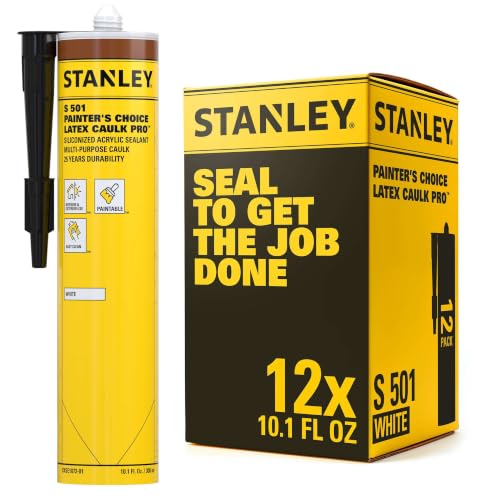
Stanley S501 Acrylic Latex Caulk balances durability and paintability while resisting shrinking and cracking for a clean, lasting finish on PVC trim.
| Image | Name | Editor's Rating | Price |
|---|---|---|---|

|
Gorilla 100% Silicone Caulk, Waterproof Sealant, 2.8oz Squee...
|
|
|

|
DAP Dynaflex 230 Pro Elastomeric Sealant, White WT099, 10.1 ...
|
|
|
|
Stanley S501 Acrylic Latex Caulk White - (12x10.1 fl. oz.) P...
|
|
Discover the Best Caulk for Durable PVC Trim Sealing
Ensuring a flawless seal on PVC trim requires selecting caulk that delivers durability, flexibility, and paintability. Explore standout options that excel in toughness and long-lasting protection.
1. Gorilla 100% Silicone Caulk – Durable Waterproof Sealant for PVC Trim and More
- Waterproof sealant: This white caulk seals out air, water, and moisture with 100% silicone as cured
- Speed meets strength: Caulk & Seal's silicone caulk is ready for water exposure in as little as...
- All-purpose: Gorilla caulk works wherever the work is; Indoor and out, rain or shine after fully...

Choosing the right caulk for PVC trim is often trickier than it seems. Many assume all caulks will perform equally, but not all sealants provide long-lasting protection against moisture and wear.
Gorilla 100% Silicone Caulk changes the game by combining fast curing with reliable durability. This white silicone sealant starts to harden in just 30 minutes, sealing out air and water quickly, which means your trim gets protected faster than with traditional caulks.
Its waterproof nature isn’t just a claim; once fully cured, it stands up to constant exposure to water, making it ideal for both interior and exterior applications. Whether you’re working on windows, doors, or PVC trim, this caulk remains flexible and resistant to cracking, shrinking, or yellowing over time.
What sets Gorilla Caulk apart is its mold and mildew resistance lasting up to 10 years. This feature is crucial for maintaining clean, professional-looking trim in moist environments like bathrooms or kitchens. Plus, it adheres well to a wide range of surfaces including vinyl, wood, metal, and painted areas, enhancing its versatility beyond just PVC trim.
Maintaining the caulk is straightforward since it doesn’t degrade with rain or humidity. This makes it a smart pick when you want a durable seal that won’t require frequent touch-ups or repairs.
Best for: Homeowners and contractors needing a fast-curing, waterproof caulk specifically suited for long-lasting protection on PVC trim and other moist environments.
What We Like:
- Quick cure time reduces job turnaround and exposure risk.
- Strong waterproof seal preserves trim integrity in damp conditions.
- Long-lasting mold and mildew resistance keeps surfaces clean.
- Flexible formula prevents cracking and shrinkage over time.
- Versatile adhesion suitable for multiple building materials.
Specification:
| Specification | User Benefit |
|---|---|
| Material Type: Silicone | Offers durable, flexible sealing that withstands weather and wear. |
| Full Cure Time: 30 minutes | Allows quicker project completion and early exposure to water. |
| Water Resistance Level: Waterproof | Protects against moisture infiltration that damages PVC trim. |
| Color: White | Blends seamlessly with most PVC trim colors for a clean finish. |
| Mold & Mildew Resistance: 10 years | Keeps sealed surfaces clean and reduces maintenance frequency. |
| Item Form: Paste | Easy to apply smoothly into cracks and gaps. |
| Adhesion Surfaces: Multiple (vinyl, wood, metal) | Versatile use for various home improvement applications. |
2. DAP Dynaflex 230 Pro – Best Caulk for PVC Trim with Superior Flexibility and Waterproof Seal
- DAP Dynaflex 230 Pro sealant is silicone tough with superior flexibility and crackproof performance...
- Features a 4 inch removable nozzle for tight corners and hard to reach areas, certified to AAMA...
- Low odor, white sealant WT099 is color matched to leading window, door and siding colors, it can be...
If you’ve ever struggled with caulking PVC trim, you know most sealants either crack under pressure or fail to flex with temperature changes. DAP Dynaflex 230 Pro Elastomeric Sealant challenges that notion by offering a balance rarely seen between toughness and stretch.
This white, acrylic-based caulk stands out with its ability to seal wide joints up to 2 inches without cracking. Unlike typical latex caulks that harden and lose flexibility, Dynaflex 230 stays pliable, adapting to the natural expansion and contraction of PVC trim and other common building materials.
Applying it is straightforward thanks to the 4-inch removable nozzle designed for precision in tight corners and hard-to-access areas. With low odor and paintability after just two hours, this sealant integrates seamlessly into your finishing work without long wait times or unpleasant fumes.
What sets it apart is the fully waterproof seal it creates, lasting through weather changes while adhering well to wood, metals, fiber cement, and most plastics without losing grip. This makes it an ideal choice for windows, doors, siding, and trim where durability and movement resistance matter most.
Best for: Professionals and DIYers looking for a flexible, waterproof caulk that holds up on PVC trim and varied exterior surfaces.
What We Like:
- Superior crackproof flexibility outperforms standard latex caulks.
- 4-inch removable nozzle allows detailed application in tight spaces.
- Quick paint-ready time speeds up project completion.
- Waterproof and weatherproof seal resists outdoor elements effectively.
- Good adhesion to diverse materials including PVC, wood, and metal.
Specification:
| Specification | User Benefit |
|---|---|
| Flexible Elastomeric Formula | Adapts to expansion and contraction without cracking. |
| Waterproof Seal | Protects joints from moisture damage and weather exposure. |
| Paintable after 2 Hours | Allows fast finishing without long delays. |
| 4 Inch Removable Nozzle | Enables precise application in hard-to-reach areas. |
| Wide Gap Filling up to 2 Inches | Handles larger joints without multiple layers or replacement. |
| Low Odor Formula | Makes indoor and outdoor projects more comfortable to complete. |
| Adheres to Multiple Materials | Versatile for use on PVC trim, wood, metal, and more. |
3. Stanley S501 Acrylic Latex Caulk White – Durable, Paintable Sealant for PVC Trim
- 𝗣𝗥𝗘𝗠𝗜𝗨𝗠 𝗣𝗘𝗥𝗙𝗢𝗥𝗠𝗔𝗡𝗖𝗘: Stanley Premium...
- 𝗘𝗖𝗢-𝗙?𝗜𝗘𝗡𝗗𝗟𝗬: Its Acrylic dispersion based, Low odour and solvent-free...
- 𝗪𝗔𝗧𝗘𝗥 𝗖𝗟𝗘𝗔𝗡 𝗨𝗣: Easy to apply and tool, low in odor and cleans...
Finding the right caulk for PVC trim can feel like a guessing game, especially when durability and paintability are both essential. The Stanley S501 Acrylic Latex Caulk White stands out by bridging these needs without the usual compromises.
This caulk combines acrylic with silicone emulsion, offering a tough yet flexible seal that resists shrinking and cracking over time. Its design ensures strong adhesion on various surfaces while remaining waterproof, which means it keeps outdoor joints sealed effectively even in moisture-prone areas.
Maintenance is straightforward thanks to its low odor and soap-and-water cleanup, making it ideal for both interior and exterior projects. After application, it dries to a smooth finish that accepts paint seamlessly, allowing for a clean, customized look on trim, baseboards, and window frames.
Environmentally conscious DIYers will appreciate the product’s low solvent content and LEED credit compliance, reflecting a focus on indoor air quality without sacrificing performance. While it’s optimized for use on PVC trim, it suits a variety of materials including wood, concrete, and drywall.
Best for: Homeowners and contractors looking for a reliable, paintable caulk that withstands exposure on PVC trim and multiple surfaces.
What We Like:
- Strong adhesion with elastomeric flexibility prevents cracks and gaps.
- Low odor and easy water clean-up enhance application comfort and convenience.
- Paintable surface allows a professional finish tailored to your decor.
- Suitable for both indoor and outdoor uses across various materials.
- Water-resistant formula extends durability in wet conditions.
Specification:
| Specification | User Benefit |
|---|---|
| Item Form | Paste consistency makes smooth application straightforward. |
| Container Type | Cartridge packaging fits standard caulking guns for control. |
| Full Cure Time | 24 hours cure ensures quick readiness for finishing touches. |
| Water Resistance Level | Effective sealing against water protects surfaces from moisture damage. |
| Compatible Material | Works on multiple substrates including PVC, wood, concrete, and drywall. |
| Volume | Each cartridge holds 10.1 fluid ounces, suitable for medium-sized projects. |
| Color | White color blends with most trim and baseboard styles. |
| Unit Count | Pack of 12 cartridges supports large jobs or multiple smaller tasks. |
| Brand Name | Stanley provides trusted quality recognized in construction tools. |
Key Specs Compared: Top Caulk For PVC Trim
| Product Name | Material Type | Full Cure Time | Water Resistance Level | Max Gap Fill / Volume |
|---|---|---|---|---|
| Gorilla 100% Silicone Caulk | Silicone | 30 minutes | Waterproof | 2.8 fl. oz. |
| DAP Dynaflex 230 Pro | Acrylic | 24 hours | Waterproof | 2 inches / 10 fl. oz. |
| Stanley Acryl. Latex Caulk | Acrylic Latex | 24 hours | Water Resistant | 10.1 fl. oz. |
Which Features Make the Best Caulk for PVC Trim Stand Out?

Choosing the right caulk impacts both the durability and appearance of your PVC trim. Quality sealants protect against moisture, adapt to movement, and maintain a seamless look. Identifying essential factors prevents common failures and boosts long-term performance.
Material Type and Chemical Composition
Material choice drives how a caulk interacts with PVC trim surfaces and environmental exposure. Silicone caulks offer superb waterproofing because their polymers create a flexible yet airtight barrier. Acrylic-based products mix flexibility with easier cleanup and paintability but can vary widely in water resistance. For example, Gorilla’s 100% Silicone Caulk uses pure silicone, ensuring a durable seal, while DAP Dynaflex 230 Pro employs acrylic elastomers for stretchable joint filling.
Chemically, silicone chains resist shrinking and degrade slower in UV light, whereas acrylics tend to bind better with paint formulations. Silicone is generally inert and less prone to mold, adding protection longevity. On the other hand, acrylic latex blends provide a compromise by adding silicone emulsions to enhance elasticity without losing ease of application.
Neglecting the right material leads to cracking, peeling, or water intrusion, especially if the trim expands or twists. Selecting caulk incompatible with PVC or climate accelerates wear, forcing repeated repairs—a frustrating waste of time and money.
Water Resistance and Durability
Waterproof sealing capability ensures caulk blocks moisture from reaching seams or surfaces beneath PVC trim. This factor is pivotal as water exposure causes rot, mold, or joining failure over time. Silicone caulks typically offer complete waterproofing, exemplified by Gorilla’s product sealing effectively within 30 minutes, which reduces project wait times.
Water resistance depends on the sealant’s polymer matrix and cure process. Silicone forms a non-porous skin that repels water versus water-resistant acrylic latex that slows water but might allow gradual penetration. Stanely’s acrylic latex caulk, for instance, offers water resistance but lacks the full waterproof layer of pure silicones.
Ignoring water resistance in caulk leads to moisture infiltration, which damages trim backing and adjacent structures. Over time, trapped water leads to visual damage and expensive replacements or repainting needs.
Flexibility and Gap Filling Ability
Flexibility dictates how well caulk handles movement from expansion, contraction, or vibration of PVC trim. Trim outdoors faces temperature swings and structural shifts demanding sealants maintain adhesion without cracking. Acrylic elastomeric sealants like DAP Dynaflex 230 Pro boast higher joint flexibility, accommodating dynamic gaps up to 2 inches.
Flexibility relates to the polymer cross-linking density and plasticizers used. Silicone sealants remain elastic under wide temperature ranges, while acrylic variants rely on added modifiers to resist embrittlement. Additionally, maximum gap fill determines if the caulk suits narrow detail work or broader seams—DAP’s 10 fl. oz. fills larger joints than Gorilla’s smaller volume but with longer curing times.
Skipping proper flexibility causes seam splits or delamination, which allows water leaks and unsightly cracks. An inflexible caulk cracks on movement, rapidly losing its protective mantle.
Cure Time and Workability
Cure time affects project efficiency and how quickly a sealed area can be painted or exposed to weather. Faster curing caulks like Gorilla’s 100% Silicone reach functional hardness within 30 minutes, minimizing downtime. Slower acrylic latexs require up to 24 hours to fully set but afford longer smooth working times for neat application.
The chemistry behind cure times involves either moisture-triggered polymerization in silicone or air drying in acrylics. Silicone cures by cross-linking as moisture penetrates, forming a tight skin quickly. Acrylics rely on solvent evaporation, which can be slowed by humidity or temperature. This means working conditions influence the practicality of each product for site constraints.
Ignoring cure time can delay completion or risk damaging freshly laid caulk. A slow-drying caulk exposed to rain too soon will wash away, while a quick set seals rapidly but demands faster precision.
Paintability and Finish Options
Paintability ensures caulk blends invisibly with PVC trim colors and surrounding surfaces, a key for polished results in renovation or new builds. Acrylic latex caulks typically accept paint well due to their porous surface texture, while pure silicone sealants do not bond poorly with most paints without special primers.
Stanley S501’s acrylic latex formula caters to easy painting, allowing color matching after curing. Silicone’s smooth, rubbery finish repels paint, limiting aesthetic customization. Hybrid caulks with silicone-emulsion blends try to offer paint-ready flexibility without sacrifices in durability.
Failing to choose paintable caulk can leave visible white or translucent lines mismatched against colored trims, detracting from curb appeal. Re-painting silicone can result in peeling or cracking, negating neat finishes.
Adhesion Strength and Surface Compatibility
Adhesion to PVC and substrates like wood, metal, or concrete dictates how securely the caulk seals seams. Good adhesion stops moisture ingress and prevents sealant falling out over time. Silicone sealants adhere well to non-porous surfaces like PVC, while acrylics often excel on porous surfaces but may need primers before PVC application.
Chemical bonding occurs when polymer chains infiltrate and interlock with the substrate surface at microscopic levels. Some caulks add tackifiers or primers to enhance compatibility and longevity. Ignoring adhesion requirements causes gaps and failures, especially at interface points where materials meet or move.
Poor adhesion leads to seal shrinkage and pull-away edges, allowing water and dirt intrusion that ruins the trim integrity and invites mildew growth.
Environmental Resistance and Longevity
Resistance to UV rays, temperature swings, and mold determines the lifespan of caulk on outdoor PVC trim. Silicone is naturally UV stable and remains flexible in extreme heat or cold, reducing maintenance needs. Acrylic formulas may degrade faster unless specifically treated with UV inhibitors, affecting seal quality over time.
Environmental resilience involves polymer chemistry engineered to block UV-induced polymer breakdown while maintaining elasticity. Products like Gorilla Silicone maintain performance without yellowing or hardening for years. Mold-resistant additives also prevent biofilm growth on moist surfaces, essential for damp climates.
Without such resistance, caulk discolors, cracks, or becomes brittle, undermining its protective role and forcing repeated fixes or replacement, raising long-term costs.
Frequently Asked Questions
What makes silicone caulk better for PVC trim compared to acrylic caulk?
Silicone caulk offers superior waterproofing and flexibility, which prevents cracking and air leaks around PVC trim. Its ability to cure quickly—in about 30 minutes—helps seal joints faster than acrylic options, which typically take 24 hours to fully cure.
Unlike acrylic caulk, silicone resists moisture and UV damage better, making it ideal for outdoor applications where exposure to elements is constant. The fast curing enables quicker project completion and minimizes downtime for painting or exposure.
Consider using silicone caulk for areas exposed to frequent water or temperature swings, but remember it can be harder to paint over than acrylic-based sealants.
Is paintability important when choosing caulk for PVC trim?
Paintability is crucial when you want caulk to blend seamlessly with painted PVC trim, especially if a clean finish is desired. Acrylic latex caulk like Stanley S501 excels here due to its easy paint adherence while maintaining durability and flexibility.
Some pure silicone caulks resist paint, so if aesthetics matter and you plan to paint your trim, acrylic or hybrid formulas often offer the best balance between performance and finish.
Before applying paint, ensure the caulk is fully cured. Testing a small patch first can prevent peeling or poor adhesion issues later.
Can I use any caulk for large gaps in PVC trim, or is there a limit?
Not all caulks are designed to fill wide or deep gaps effectively. Products like DAP Dynaflex 230 Pro stand out because they can seal joints up to 2 inches wide without cracking, thanks to their elastomeric properties.
Using caulk not rated for large gaps may result in shrinkage, cracking, or poor adhesion over time. Consider the gap width carefully and choose a product specifically designed for that range to ensure a lasting seal.
Always apply caulk in layers for deep gaps or use backing rod fillers if recommended, to avoid excessive shrinkage and maintain flexibility.
How long should I wait before exposing caulked PVC trim to water?
The waiting period depends on the caulk type. Silicone caulks like Gorilla 100% Silicone Caulk cure rapidly and can be exposed to water in as little as 30 minutes. Acrylic and latex caulks usually require a full 24-hour cure before water exposure.
This curing time ensures the caulk achieves full adhesion and flexibility needed to withstand moisture without failing. Early exposure to water can weaken the seal and cause premature wear or leaks.
Check manufacturer’s instructions for specific cure times, and keep the area dry and undisturbed during curing for best results.
Which caulk offers the best flexibility for PVC trim that expands and contracts?
Flexibility is vital because PVC trim naturally expands and contracts with temperature changes. DAP Dynaflex 230 Pro offers a notable balance of toughness and stretch, remaining pliable for long-lasting seals even on moving joints.
Acrylic-based elastomeric caulks like Dynaflex maintain flexibility without cracking, unlike some traditional latex or rigid caulks that become brittle over time.
When working in climates with extreme temperature swings, prioritize caulks labeled as elastomeric or flexible to prevent cracks and maintain a tight, durable seal.
The Impact of Selecting Ideal Caulk for PVC Trim
Finding the perfect caulk for PVC trim addresses the essential need for a watertight, flexible seal that prevents damage and decay. Using the right product can transform routine upkeep into a simpler task while significantly boosting the durability of your trim installations. Quality silicone or acrylic latex caulks offer impressive protection tailored to specific project demands.
For those requiring fast waterproofing, silicone caulks are excellent, especially for smaller joints, whereas latex-based options work best on wider gaps where paintability matters. Budget-conscious buyers benefit from acrylic varieties that balance performance with affordability, fitting diverse home improvement needs.
Apply caulk only on clean, dry surfaces to ensure a strong bond, and avoid use in adverse weather conditions that can compromise adhesion. Keep in mind that silicone caulks usually resist paint better, helping maintain the appearance and protection of your PVC trim over time.
Last update on 2026-10-18 / Affiliate links / Images from Amazon Product Advertising API


