Is Walnut Good for Outdoor Furniture: Pros and Cons
You can use walnut for outdoor furniture if you’re ready for regular maintenance and proactive protection.
Walnut offers moderate durability with a class 3 rating but lacks natural oils to resist moisture and UV damage. This makes it vulnerable to warping, decay, and discoloration.
It’s best suited for covered or shaded areas with occasional exposure, not constant outdoor use. Keeping it sealed annually and inspecting joints helps extend its lifespan.
Exploring its care and comparing it to other woods will clarify its outdoor suitability further.
Key Takeaways
- Walnut has moderate decay resistance but is best suited for covered or lightly exposed outdoor areas, not constant weather exposure.
- It lacks natural protective oils, making it vulnerable to moisture, UV damage, warping, and insect attacks without treatment.
- Regular application of UV-stable sealers or penetrating oils is essential to maintain walnut’s outdoor durability.
- Walnut furniture should be placed in shaded, sheltered spots away from standing water to prevent accelerated deterioration.
- With proper maintenance, untreated walnut can last up to 15 years outdoors, but it requires more care than teak or cedar.
How Durable Is Walnut for Outdoor Furniture?

Durability plays a pivotal role when choosing wood for outdoor furniture, and walnut presents a moderate option rather than a top-tier one.
Black walnut holds a durability class 3 rating, meaning it resists decay and wear better than many woods but falls short compared to premium outdoor species like teak or cedar.
Walnut performs well in covered or lightly exposed areas but suffers with constant exposure to rain, sun, and humidity.
Untreated walnut may last up to 15 years outdoors, but that depends heavily on climate and maintenance.
Its heartwood offers moderate natural rot resistance, yet moisture and insect damage remain concerns if left unsealed.
You should plan on regular protective treatments to maintain walnut’s structural integrity outdoors.
Additionally, walnut’s natural resistance to rot and fungal decay can enhance its longevity when properly cared for in outdoor settings.
Why People Love Walnut for Furniture?
You’re going to love walnut for your furniture! Its rich color and beautiful grain patterns really elevate any piece, giving it that premium look we all crave. Plus, who doesn’t appreciate a bit of natural beauty in their home?
But it’s not just about looks. Walnut is super durable indoors, meaning it can resist dents and scratches like a champ. It also maintains its shape and integrity, even when the environment changes around it. Its natural resistance to rot and fungal decay improves longevity and hygiene, making it a reliable choice for long-term use.
Rich Color And Grain
Walnut’s rich color and distinctive grain patterns make it a favored choice for furniture designers and enthusiasts alike.
When you work with walnut, you’ll notice its deep chocolate-brown hues accented by lighter sapwood, creating a striking visual contrast.
The grain often displays straight lines mixed with occasional waves or curls, adding texture and depth.
This natural variation enhances each piece’s uniqueness and allows you to highlight specific grain features through careful cutting and finishing.
While walnut’s color can darken with age indoors, prolonged sunlight outdoors may cause uneven fading.
You can preserve its beauty by applying UV-resistant finishes, but even then, the grain’s intricate patterns remain a key reason walnut furniture is prized.
Its rich aesthetic appeal often outweighs its outdoor durability limitations for many users.
However, walnut is not naturally resistant to outdoor elements and requires extensive sealing or treatment for outdoor suitability.
Durable Indoor Performance
Beyond its striking appearance, walnut offers reliable performance when used indoors, making it a popular choice for furniture that needs to endure daily use.
With a Janka hardness around 1,010 lbf, walnut resists dents and scratches effectively, maintaining structural integrity over time. Its dimensional stability minimizes warping and swelling in response to indoor humidity fluctuations, protecting joinery and surface finish.
Walnut’s moderate decay resistance suits the controlled indoor environment, preventing rot without frequent maintenance. Additionally, the wood’s fine grain and rich color age gracefully, preserving aesthetic appeal.
When crafting furniture, you can count on walnut’s balance of strength and workability to deliver durable pieces that handle everyday wear while retaining elegance. These qualities make it superior for indoor applications compared to outdoor use. Choosing the right oil-based finish enhances walnut’s natural warmth and durability for lasting indoor beauty.
How Walnut’s Weather Resistance Stacks Up?
When exposed to outdoor conditions, walnut wood shows moderate resistance to weather but falls short compared to premium exterior woods like teak.
Walnut’s natural oils are insufficient to protect against prolonged moisture and UV exposure, which can cause warping, fading, and surface discoloration.
Its dimensional stability helps reduce deformation from humidity shifts, but untreated walnut remains vulnerable to decay and insect damage over time.
You’ll need to apply regular sealing or oiling to improve moisture resistance and delay deterioration.
Despite its moderate decay resistance, continuous exposure to rain and sun accelerates surface breakdown, especially at joints and end grains.
If you want walnut outdoors, expect a higher maintenance commitment than with naturally weatherproof woods, or consider protective finishes to extend its lifespan effectively.
Pairing walnut with more affordable woods like oak or maple can offer practical benefits and visual harmony in mixed-material outdoor furniture designs, enhancing both durability and aesthetic appeal through tone matching.
When Is Walnut Best for Covered Outdoor Use?
Given walnut’s moderate weather resistance and maintenance demands, its best outdoor applications are in covered or sheltered settings where exposure to direct sun, rain, and humidity is limited.
Walnut thrives best outdoors in shaded, protected areas away from direct sun, rain, and excessive humidity.
You’ll find walnut ideal for patios, porches, and gazebos with overhead protection that limits moisture and UV exposure. In these environments, walnut’s dimensional stability and moderate rot resistance help maintain structural integrity without rapid deterioration.
You should avoid placing walnut furniture where it contacts standing water or wet ground, as prolonged moisture accelerates decay, especially in end grain and joints.
Regular sealing or oiling remains essential even in covered areas to prevent surface discoloration and minor warping. Ultimately, walnut performs well when sheltered from harsh weather but still requires consistent maintenance to preserve its appearance and durability outdoors.
Using food-safe mineral oil or specialized walnut oil treatments can help nourish and protect walnut wood when used in outdoor covered furniture, extending its lifespan and maintaining its natural beauty.
How to Protect Walnut Furniture From Sun and Moisture?
Although walnut isn’t naturally equipped to withstand prolonged sun and moisture exposure, you can markedly extend its lifespan by applying proper protective treatments.
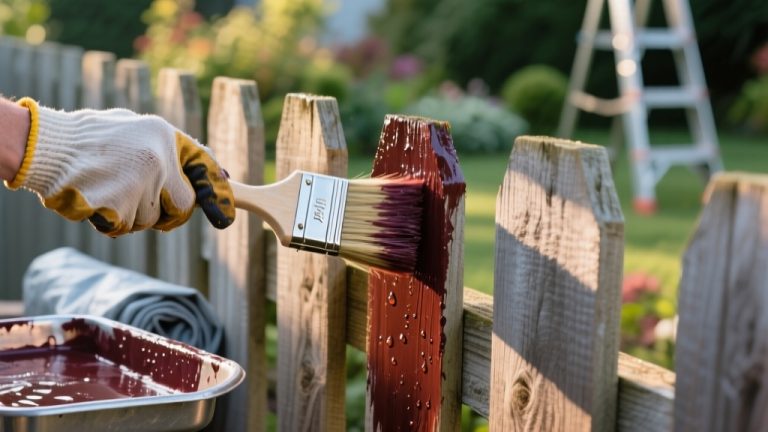
Start by sealing your walnut furniture with a high-quality, UV-stable exterior wood finish or spar spar varnish to block ultraviolet rays and moisture infiltration.
Regularly apply penetrating oils, such as tung or teak oil, which nourish the wood and enhance water repellency.
Make sure all surfaces, including joints and end grains, receive thorough coverage to prevent moisture absorption and minimize warping.
Position your furniture in shaded or covered areas when possible to reduce direct sun exposure and rain contact.
Avoid standing water and clean surfaces with mild, non-abrasive cleaners.
These steps create a protective barrier that slows discoloration, cracking, and decay, preserving walnut’s aesthetic and structural integrity outdoors.
For best results, choose finishes that offer penetration depth to strengthen the wood beneath the surface for lasting protection.
What Maintenance Does Outdoor Walnut Need?
Because walnut lacks the natural protective oils found in more weather-resistant woods, you’ll need to commit to regular maintenance to keep outdoor walnut furniture in good condition.
Start by applying a high-quality, UV-stable sealer or penetrating oil annually to reduce moisture absorption and prevent UV damage.
Apply a UV-stable sealer or oil yearly to protect walnut from moisture and sun damage.
Clean the surface gently with mild soap and water, avoiding excessive moisture that can promote warping or decay.
Inspect joints, end grains, and edges regularly for early signs of deterioration or insect activity, addressing issues promptly.
Reapply protective finishes as the surface weathers, especially after harsh weather or prolonged sun exposure.
Remember, maintenance intervals may shorten in humid or rainy climates.
Consistent upkeep delays deterioration but doesn’t eliminate walnut’s inherent outdoor vulnerabilities.
Using penetrating oils with UV absorbers can significantly enhance walnut’s resistance to sun damage and weathering.
What Woods Outperform Walnut Outdoors?
When it comes to picking wood for outdoor furniture, it’s important to know which types really stand up to the elements. You might be surprised to learn that species like teak, cedar, and white oak actually outperform walnut. Why? Well, these woods have higher natural oils and tighter grain structures, which make them much better at resisting moisture, UV rays, and decay. Using teak oil treatments can further enhance the durability and appearance of outdoor wood furniture.
Top Outdoor Wood Choices
Selecting the right wood for outdoor furniture hinges on durability, weather resistance, and maintenance demands. While walnut offers moderate durability, several woods outperform it outdoors due to superior natural properties. You’ll want to take into account options that handle exposure with less upkeep.
Top outdoor wood choices include:
Teak: Renowned for natural oils and exceptional longevity
Cedar: Lightweight, rot-resistant, and insect-repellent
White Oak: Dense, water-resistant, and strong
Redwood: Stable with good decay resistance
Ipe (Brazilian Walnut): Extremely hard, dense, and weatherproof
These woods provide you with peak strength and endurance, reducing your need for constant sealing or repairs. Choosing one of these makes certain your outdoor furniture maintains its integrity and appearance over time. Additionally, considering the durability and maintenance requirements of materials can help ensure long-lasting outdoor use.
Superior Weather Resistance
While walnut offers moderate durability, its weather resistance falls short compared to premium outdoor woods designed to endure harsh conditions with minimal upkeep.
Teak, cedar, and white oak outperform walnut because they contain higher concentrations of natural oils and extractives that repel moisture, resist UV degradation, and inhibit fungal growth.
Teak’s dense grain and inherent oils provide exceptional dimensional stability and rot resistance without frequent sealing.
Cedar’s natural compounds fend off insects and decay, making it ideal for damp environments.
White oak’s closed cellular structure limits water penetration, enhancing its resistance to warping and splitting.
In contrast, walnut’s limited oil content necessitates regular protective treatments to mitigate moisture absorption and sun damage.
If you want true low-maintenance weather resistance, these woods surpass walnut for outdoor furniture applications.
Long-Term Durability Comparison
Although walnut offers moderate durability, several woods consistently outperform it in long-term outdoor applications due to superior natural resistance and structural properties.
When selecting outdoor furniture, you’ll want materials that withstand moisture, UV exposure, and pests far better than walnut.
Consider these top-performing woods:
- Teak: Rich in natural oils, it resists rot and warping for decades without heavy maintenance.
- Cedar: Lightweight and naturally insect-repellent, it holds up well in humid environments.
- White Oak: Dense, highly rot-resistant, and excellent for wet climates.
- Ipe: Extremely hard and decay-resistant, ideal for heavy-use outdoor furniture.
- Redwood: Stable and resistant to insects and moisture, with a long outdoor lifespan.
Choosing these woods helps you avoid walnut’s higher upkeep and vulnerability to weather-induced degradation.
Frequently Asked Questions
Can Walnut Furniture Be Repaired if Damaged by Outdoor Exposure?
Yes, you can repair walnut furniture damaged by outdoor exposure, but it requires careful steps.
Start by sanding down warped or discolored areas and addressing any surface cracks with wood filler.
Apply a high-quality wood sealant or oil to restore protection.
If mold or rot is present, remove affected wood and treat with wood preservative.
Regular maintenance afterward is vital to prevent recurring damage and prolong walnut’s lifespan outdoors.
Does Walnut Furniture Emit Any Allergens or Odors Outdoors?
Wondering if walnut furniture emits allergens or odors outdoors?
Generally, walnut wood doesn’t release significant allergens or strong odors once it’s dry and sealed.
However, freshly cut walnut can produce a mild scent, and some people might react to its natural oils or dust during sanding.
Once outdoors and properly finished, any emissions are minimal, making allergic reactions or odors unlikely in typical use.
Regular cleaning helps keep it neutral.
How Does Walnut Compare in Cost to Other Outdoor Woods?
Walnut typically costs more than common outdoor woods like cedar or white oak due to its premium appearance and indoor-grade quality.
However, it’s generally less expensive than high-end outdoor woods like teak.
You’ll pay a premium for walnut’s rich grain and hardness, but keep in mind that additional maintenance costs arise from sealing and protection.
Is Walnut Safe for Outdoor Use Around Pets and Children?
Yes, walnut is generally safe around pets and children as it’s non-toxic.
However, you should avoid untreated walnut dust or shavings, which can cause irritation if inhaled or ingested.
When used as furniture, sealed walnut poses minimal risk.
Still, you should regularly inspect for splinters or rough edges that could harm kids or pets.
Maintaining a smooth, sealed finish guarantees safety while preserving walnut’s durability and appearance outdoors.
Can Walnut Be Combined With Metal or Other Materials for Outdoor Furniture?
You might worry walnut won’t mesh well with metal outdoors, but it actually combines quite effectively.
Walnut’s dimensional stability and hardness let it hold screws and fasteners firmly without splitting.
When paired with powder-coated steel or aluminum, you get sturdy, stylish furniture that balances warmth and industrial flair.
Just make sure the walnut is sealed properly to prevent moisture damage where it meets metal. This reduces corrosion risk and extends the piece’s lifespan.
Final Thoughts on Using Walnut for Outdoor Furniture
Choosing walnut for outdoor furniture is like balancing on a tightrope. It offers stunning beauty and moderate durability but demands careful protection against sun and moisture.
You’ll need to apply regular maintenance, like sealing and cleaning, to keep it strong and vibrant. While walnut works best in covered outdoor spaces, woods like teak or cedar outperform it in harsh weather.
With the right care, walnut can be a reliable, elegant choice, but it’s not foolproof for all outdoor conditions.