

Best Roller for Contact Cement: Top Picks for Perfect Adhesion
Sloppy glue application creates sticky messes and missed spots. Frustration builds when surfaces repel the adhesive. Your project feels doomed before it even starts.
The Wooster Brush R245-9 ensures flawless coverage with its dense woven fabric and rigid core. The QWORK Brass Seam Roller uses heavy brass pressure to bond materials tightly and evenly.
The Gator Grip Roller offers a unique blend of soft padding and robust pressure, fixing challenging textures effortlessly.
| Image | Name | Editor's Rating | Price |
|---|---|---|---|

|
Wooster Brush R245-9 Adhesive Applicator Roller Cover, 1/8-I...
|
|
|
|
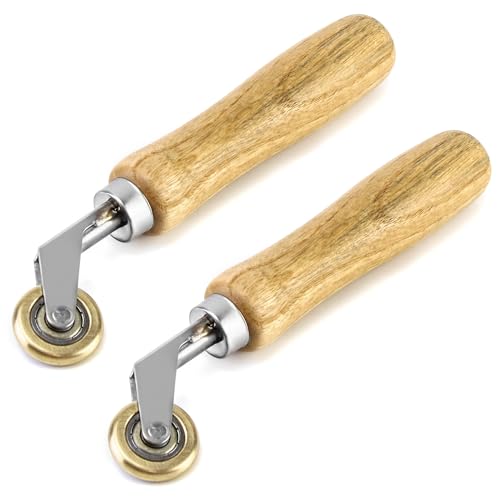
QWORK Brass Seam Roller, 2 Pack Roofing and Vinyl Flooring D...
|
|
Choosing the Best Roller for Contact Cement Application
Ensuring a smooth, even adhesive application is crucial for successful bonding. Selecting the right roller can make all the difference in achieving flawless results with contact cement.
1. Wooster Brush R245-9 Adhesive Applicator Roller Cover with Durable Polypropylene Core
- Extra-short white fabric provides smooth application
- Use with all adhesives and epoxies water-based or solvent-based
- Use on wallcoverings fiberglass paneling or floor tile

Applying contact adhesive evenly can be deceptively tricky, especially on smooth surfaces that resist absorption. The Wooster Brush R245-9 tackles this challenge with its extra-short white woven fabric designed to lay down adhesives smoothly without dripping or pooling.
Compatibility is another strength, accommodating all kinds of adhesives and epoxies, whether water-based or solvent-based. Its sturdy polypropylene core doesn’t just provide durability—it resists water, chemicals, and cracking, so the roller withstands rigorous use without deteriorating.
Handling delicate materials like wallcoverings, fiberglass paneling, or floor tile becomes more manageable. The roller’s size and fabric nap optimize precision and control, sparing you from the mess and uneven adhesive application common with less specialized tools.
Wooster Brush’s reputation for quality shows in this 9-inch roller, offering a lightweight tool that balances ease of use with professional-grade results. Whether refurbishing surfaces or installing coverings, it helps ensure your adhesive projects are tidy and long-lasting. Smooth and controlled adhesive application makes all the difference in durable finishes.
Best for: Craftspeople and DIYers who need reliable performance on smooth, non-porous surfaces like wallcoverings and tiles.
Pros:
- Extra-short nap for clean and even coverage
- Polypropylene core resists solvents and cracking
- Works with water-based and solvent-based adhesives
- Suitable for wallcoverings, fiberglass, paneling, and floor tiles
- Lightweight and easy to handle
Cons:
- May not be ideal for rough or highly textured surfaces
- Single roller included, which might require frequent cleaning for large projects
2. QWORK Brass Seam Roller 2 Pack with Ergonomic Wood Handle for Roofing and Vinyl
- Well Built: Made of strong brass, which is more durable than nylon and provides a long service life.
- Wood Handle: The ergonomic wood handle feels comfortable and can last a long time.
- Durable Bearing: The high-quality bearing provides the smoothest rolling.
Applying adhesives on membranes or vinyl often requires more than steady hands — it demands precision and durability in the tools you choose. Crafted from robust brass, this roller offers exceptional longevity and consistent pressure unmatched by typical nylon alternatives. The dense metal surface is ideal for ensuring secure seams without the risk of distortion or damage.
Comfort comes from a finely crafted wood handle designed to fit naturally in your palm, reducing fatigue during repetitive rolls. Paired with a high-quality bearing, it guarantees fluid movement and a smooth, no-skip finish to your application.
Whether working on roofing membranes, leather seams, or vinyl flooring corners, this roller proves versatile and reliable. Its 30mm diameter and 6mm thickness provide optimal coverage for detailed seaming work without sacrificing control.
QWORK has engineered a tool that blends durability with precision, making tricky adhesive jobs easier to manage. Its solid construction invites confidence in every pass, helping you achieve professional-quality bonds and finishes.
Best for: Professionals and DIY enthusiasts needing a reliable, heavy-duty roller for various seaming and adhesive applications.
Pros:
- Durable brass roller resists wear and deformation.
- Ergonomic wood handle for lasting comfort.
- Smooth rolling action with quality bearing.
- Versatile use on roofing, vinyl, and leather.
- Compact design for precise control.
Cons:
- Metal construction may feel heavier than plastic for some users.
- Small roller size might require more passes on larger surfaces.
Quick Guide: Top Rollers For Contact Cement Feature Analysis
| Product Name | Material | Dimensions | Handle Type |
|---|---|---|---|
| Wooster Brush Adhesive Applicator | Woven fabric, polypropylene core | 9 x 9.75 x 7 inches | Not specified |
| QWORK Brass Seam Roller | Brass roller | 6mm thickness x 30mm diameter | Ergonomic wood handle |
What Really Makes the Best Roller for Contact Cement?

Picking the right roller for contact cement is less about fancy bells and more about how well the roller handles the unique challenges of adhesive spreading. The perfect roller delivers a smooth, uniform layer without soaking up or dripping the glue, making those tricky applications a breeze.
Roller Material: Fabric vs. Metal
The roller’s material dictates how it interacts with the contact cement. Fabric rollers, especially those with woven fibers like polypropylene cores, absorb and release adhesive gently, making them suited for smooth surfaces without oversaturating. On the other hand, metal rollers, such as brass, won’t absorb glue but instead provide firm pressure essential for bonding membranes or vinyl tightly.
Polypropylene cores hold up against water and chemical exposure, ensuring the roller lasts through solvent-based adhesives that can degrade lesser materials. Brass rollers resist wear and deliver consistent pressure without risk of deformation, perfect when precise seam rolling is required.
Choosing the wrong roller material can cause uneven adhesive distribution or damage delicate surfaces. A metal roller on a porous surface may leave blunt marks, while an absorbent fabric roller could trap excess contact cement, causing pooling and weakening the bond.
Roller Nap Length and Texture
Nap length refers to the thickness of the fibers on the roller cover and plays a pivotal role in adhesive application. Short nap rollers are designed to spread thin, even layers of glue, preventing dripping and uneven patches. Longer nap lengths hold more adhesive but can cause blobs and messes, a no-go for contact cement.
The Wooster Brush R245-9’s extra-short woven fabric nap is optimized for applying contact adhesives evenly, crucial on smooth, non-absorbent surfaces. Woven texture ensures a controlled release rather than a dripping mess, while a too-rough texture may cause splattering or uneven layers.
Ignoring nap length and texture leads to wasted adhesive and weak bonds due to inconsistent coating thickness, potentially ruining your project or requiring costly rework.
Roller Core Durability and Resistance
The roller core must withstand chemical exposure and mechanical stress without degrading or warping. A polypropylene core resists water and solvents, which often attack traditional plastic or wood cores. This resistance is crucial when working with harsh solvent-based contact cements that can dissolve inferior materials.
Polypropylene cores maintain roller integrity over multiple uses, ensuring smooth rotation and consistent adhesive application. Material rigidity prevents wobbling or uneven pressure, which might otherwise cause streaks or patchy glue coverage.
Using a roller with a core that lacks chemical resistance invites premature wear, potentially causing adhesive contamination or uneven spreading that compromises the bond and shortens the life of your tool.
Handle Comfort and Ergonomics
Applying contact cement often requires repeated motions and steady pressure. A comfortable, ergonomic handle reduces user fatigue and enhances control during application. Wooden handles shaped to fit the palm distribute force naturally, preventing blisters over longer work sessions.
The QWORK brass seam roller includes an ergonomic wood handle designed for prolonged use, minimizing hand strain and letting you maintain consistent pressure. Ergonomics ensure better handling especially on angled or awkward workpieces, improving the quality of the glue seam.
Skimping on handle design risks hand cramps or a loss of control, which can cause uneven adhesive strokes or missed spots—problems that lead to weak adhesion and poor finishes.
Roller Size and Dimensions
Roller size affects coverage area and precision. Larger rollers cover broad surfaces quickly but may sacrifice control over smaller or detailed areas. Smaller rollers excel in tight spots but can slow down overall application speed on bigger projects.
The Wooster Brush roller’s dimensions near 9 x 9.75 x 7 inches provide a good balance for medium to large surfaces, while the QWORK brass roller’s smaller steel cylinder (around 6mm thick x 30mm diameter) suits detail work such as seams or edges.
Ignoring size compatibility results in inefficient application—too large a roller leads to wasted adhesive and sloppy edges, while a tiny roller can make the job tedious and uneven when covering broad areas.
Compatibility with Adhesive Types
Not every roller plays nicely with all adhesive types. Contact cements vary widely, from water-based to solvent-based formulations. The roller’s material and absorption characteristics must align to prevent chemical damage or improper coating.
Fabric rollers with polypropylene cores accommodate diverse adhesives without deterioration, handling solvent resistance crucial for contact cements. Metal rollers, such as brass, don’t absorb adhesive and are better for thick, viscous materials used in roofing or vinyl applications where firm pressure is needed.
Using an incompatible roller leads to core swelling, fabric break down, or poor adhesive spread, resulting in weak bonds and tool damage—costly mistakes on any job.
Maintenance and Ease of Cleaning
Choosing a roller that’s easy to clean is crucial for keeping it in good shape. Contact cement tends to stick firmly, so the roller material must stand up to solvents and scrubbing without falling apart. A messy, clogged roller can wreck the finish and slow down your project.
Rollers with a polypropylene core handle common cleaning solvents well, allowing you to rinse off glue without damaging the fabric. Meanwhile, solid brass rollers resist corrosion and can endure tougher cleaning methods, making them great for demanding, repeated use.
If you ignore regular cleaning or pick a roller that’s a pain to maintain, you’ll end up wrestling with hardened glue build-up. This results in uneven adhesive layers and a rough finish, potentially ruining your work and forcing you to replace the roller sooner than expected.
Frequently Asked Questions
What makes a roller suitable for applying contact cement?
The best roller for contact cement needs to apply adhesive evenly without pooling or dripping. This requires a material that holds the glue well yet dispenses it smoothly. Consistency in adhesive spread is crucial for a strong bond.
For example, rollers with woven fabric surfaces, like the Wooster Brush R245-9, are designed for smooth applications on both water-based and solvent-based adhesives due to their absorbency and texture.
A pro tip is to avoid rollers that absorb too much adhesive, which can lead to uneven coverage and wasted product.
Is a metal roller better than a fabric roller for contact cement?
Metal rollers, such as brass seam rollers, provide firm, consistent pressure ideal for securing seams but do not absorb adhesive like fabric rollers. This makes them better suited for applications requiring precision and durability, especially on vinyl or roofing membranes.
Fabric rollers, however, are better for spreading liquid adhesives evenly on smooth surfaces without damage or distortion.
Choose metal rollers when working on tougher substrates needing seam compression and fabric rollers for broad, smooth adhesive application.
How does handle design impact the usability of a contact cement roller?
Handle comfort reduces hand fatigue during prolonged use, making it easier to maintain steady pressure and control. Ergonomic wood handles, like those on the QWORK brass roller, provide a natural grip and reduce strain compared to generic or unspecified handles.
This can be critical in large projects or when applying contact cement to awkward angles or surfaces that require precision.
Try to test handle grip before buying, especially if you anticipate extended use, to avoid discomfort or inconsistent application.
Can the roller material handle different types of contact cement?
Rollers constructed with chemical-resistant cores, such as the polypropylene core in the Wooster Brush roller, can handle both water-based and solvent-based adhesives without degrading. This versatility prevents damage to the roller and ensures consistent application across adhesive types.
In contrast, some fabric rollers may break down or absorb solvents causing fuzz or residue, so check material compatibility carefully.
Always confirm material resistance if you plan to use various adhesives to prolong the roller’s functional life.
What size roller works best for contact cement application?
The size of the roller affects coverage area and control. Medium sizes, like the Wooster Brush R245-9 at 9 by 9.75 inches, cover broad surfaces quickly, while smaller diameter rollers are better for precise seam work or tight spaces.
The QWORK brass seam roller, with a 30mm diameter, is ideal for detailed seam pressure but not bulk spreading.
Select your roller size based on the surface area and the level of precision your project demands to optimize efficiency and finish quality.
Optimizing Your Contact Cement Application
Choosing the right roller for contact cement ensures a smooth, uniform layer that strengthens bonds and improves overall project quality. This simple change in tools can prevent common problems like uneven adhesive distribution or weak adhesion points.
For lighter tasks on flat surfaces, a fabric roller offers controlled coverage and ease of use, while heavier metal rollers are ideal when you need more pressure for tougher materials. Selecting the correct roller type according to your project will enhance efficiency and results.
Measure your work area to pick a suitable roller size, and always clean fabric rollers immediately after use to prolong their life. Be cautious not to apply too much force with heavy rollers to avoid damaging delicate surfaces or compromising the bond.
Last update on 2026-10-11 / Affiliate links / Images from Amazon Product Advertising API


