Best Hardwood for Outdoor Furniture: Top 2 Durable Choices
Outdoor furniture feels great at dawn but soon faces relentless abuse. Moisture seeps in, then the sun scorches every inch. Frames warp, colors fade, and cracks appear.
Teak wood resists moisture with dense, oily fibers that block damage. Mahogany boasts a strong grain and deep hues for lasting style outdoors.
Acacia wood protects against wear with its tough, dense structure and natural resistance.
| Image | Name | Editor's Rating | Price |
|---|---|---|---|
|
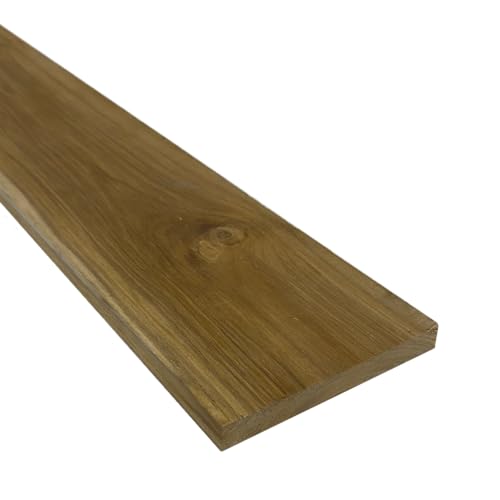
Sunrise Teak Premium Lumber S4S 1/2" x 6" x 4' 100% Natural ...
|
|
|
|
4 Teak Wood Boards Measuring 3/8" x 2" x 20.5" inches
|
|
Exploring the Best Hardwood for Outdoor Furniture Durability and Beauty
Selecting the best hardwood for outdoor furniture involves balancing strength, weather resistance, and beauty. The following options highlight exceptional choices that excel in these areas.
1. Premium S4S Teak Lumber – 100% Natural Hardwood Board for Outdoor Furniture
- Long-Lasting and Durable
- S4S
- Lumber
When choosing the best hardwood for outdoor furniture, durability and natural resistance are key—but not all hardwoods deliver equally. This premium teak lumber, sustainably grown in Costa Rica, offers more than just aesthetic appeal with its warm golden brown hue.
Teak’s natural oils make it resistant to moisture, insects, and decay, ensuring outdoor pieces last through changing weather without warping or cracking. Its smooth S4S (surfaced four sides) finish allows for easier handling and a sleek look straight off the rack, minimizing prep time for your projects.
Measuring a practical 1/2 inch thick and 6 inches wide, this board balances strength with a manageable weight of 2 pounds, perfect for custom outdoor furniture like benches, tables, and chairs. Being commercially graded ensures consistent quality for reliable structural use.
Maintenance is straightforward—periodic oiling helps retain color and extend life but its natural properties reduce the need for constant care often associated with outdoor woods. Choosing materials like this can elevate outdoor spaces both visually and functionally, proving that sustainable sources can go hand-in-hand with high performance.
Best for: Craftsmen and hobbyists creating durable, natural wood outdoor furniture with low maintenance needs.
What We Like:
- Natural oils provide inherent water and insect resistance
- S4S finish reduces sanding and prep effort
- Sustainably sourced from Costa Rican plantations
- Golden brown color adds warmth without staining
- Commercial grade ensures consistent quality and strength
Specification:
| Specification | User Benefit |
|---|---|
| Item Dimensions (48 x 5.63 x 0.59 inches) | Size ideal for versatile outdoor furniture applications |
| Material: Teak Wood, Hardwood | Durable wood naturally resistant to weathering |
| S4S Finish | Smooth surfaces that streamline construction process |
| Weight: 2 pounds | Easy to handle and maneuver during project assembly |
| Golden Brown Color | Enhances outdoor aesthetic without requiring stain |
| Commercial Grade Rating | Ensures dependable performance under outdoor conditions |
| Sustainably Grown from Costa Rica Plantations | Supports eco-friendly sourcing practices |
2. 4 Teak Wood Boards Measuring 3/8″ x 2″ x 20.5″ Inches
Outdoor furniture demands more than just style; it needs to endure the elements with resilience few materials can match. While many rush to choose wood that looks appealing, fewer consider the subtle qualities that deliver lasting performance. This is where teak wood boards stand apart in outdoor use.
These four teak wood boards are crafted in precise measurements of 3/8″ thick, 2″ wide, and 20.5″ long, offering a versatile building material. Teak’s natural oils and dense grain structure make it uniquely resistant to moisture, insects, and warping which are common challenges for outdoor furniture.
Their flat, rectangular shape allows for easy incorporation into various furniture designs. With commercial-grade quality, these boards promise consistent durability without the constant need for protective treatments.
Though teak requires occasional maintenance to maintain its glowing finish, its ability to age gracefully into a silvery patina is a benefit that many hardwoods simply can’t offer. These boards provide a solid foundation for creating furniture pieces that combine function with a timeless aesthetic.
Best for: Craftsmen and outdoor furniture makers seeking a dependable hardwood that withstands weather while enhancing design.
What We Like:
- Natural oils offer superior resistance against moisture and pests
- Consistent dimensions suitable for precise woodworking projects
- Commercial grade ensures robustness for outdoor applications
- Elegant aging process that adds character over time
Specification:
| Specification | User Benefit |
|---|---|
| Item Thickness: 0.38 inches | Allows for sturdy yet manageable wood pieces for furniture making |
| Color: Brown | Provides a warm, natural appearance suitable for outdoor settings |
| Item Shape: Rectangular | Facilitates straightforward cutting and assembly in various designs |
| Item Form: Flat Rod | Easy to incorporate into flat surfaces or frame constructions |
| Material: Wood (Teak) | Highly durable material with natural weatherproof properties |
| Grade Rating: Commercial | Ensures consistent quality and strength for heavy-duty use |
| Number of Items: 4 Count | Provides multiple pieces ready for small to medium projects |
| Manufacturer: Woodchucks Wood | Trusted producer known for quality hardwood products |
Key Specs Compared: Top Hardwood For Outdoor Furniture
| Product Name | Material | Dimensions (inches) | Item Thickness (inches) | Quantity |
|---|---|---|---|---|
| Sunrise Teak Premium Lumber | Teak Wood, hardwood | 48 x 5.63 x 0.59 | 0.59 | 1 Board |
| Woodchucks Wood Teak Boards | Wood | 20.5 x 2, flat rod | 0.38 | 4 Boards |
What Should You Look For When Picking Hardwood for Outdoor Furniture?

Choosing the right hardwood sets the stage for outdoor furniture that not only looks great but also weathers unpredictability with grit. Some woods are better suited for this challenge, thanks to specific physical and natural traits that resist wear and tear.
Resistance to Moisture and Rot
Resistance to moisture and rot is a critical feature for outdoor furniture since exposure to rain and humidity can quickly degrade wood. This factor determines how well the wood can fend off fungal decay and water damage, which lead to warping and breakdown.
Teak is renowned here because its natural oils form a protective barrier against water infiltration. These oils essentially repel moisture, while the dense grain structure reduces spaces where water can settle and promote rot. Other hardwoods may require chemical treatment to achieve similar protection.
Ignoring moisture resistance means the wood will absorb water, swell, and eventually crack or rot, drastically shortening the furniture’s lifespan and ruining its appearance with unsightly stains and structural failure.
Durability and Hardness
Durability and hardness define how well the wood withstands physical forces like impacts, scratches, or pressure from regular use outdoors. It’s a make-or-break trait for furniture expected to hold up against nature and human activity.
Measured by the Janka hardness scale, teak scores around 1000 lbs force, meaning it resists dents and wear better than many other woods. This characteristic comes from its high density and tight fibers, which also help maintain structural integrity under stress.
Choosing a wood that’s too soft or delicate will lead to rapid surface damage, dents, and deformation, leaving furniture vulnerable to breakdown and costly repairs.
Maintenance Requirements
Maintenance needs vary widely among hardwoods and impact how much effort you must invest to keep furniture looking sharp and functional. Some woods require regular sealing or oiling, while others age gracefully with minimal upkeep.
Teak’s natural oiliness means it resists drying out and cracking, allowing it to age to a silver patina if left untreated, or stay golden with periodic teak oil. Woods lacking these oils may need frequent sealing or specialized finishes to prevent decay and color loss.
Underestimating maintenance can mean your outdoor furniture deteriorates faster than expected, resulting in faded color, surface cracks, and premature aging that detract from its original beauty.
Dimensional Stability
Dimensional stability refers to wood’s ability to resist changes in size or shape due to moisture and temperature fluctuations. This factor is essential for outdoor furniture since unstable wood can crack, warp, or split, causing structural problems.
Teak is a prime example of a hardwood known for its excellent dimensional stability. Its dense grain and natural oils make it highly resistant to warping or shrinking caused by environmental changes. These properties are why teak furniture remains sturdy and intact across varying climates.
Ignoring dimensional stability means your furniture might become uneven, shaky, or damaged over time. Such issues reduce comfort and lifespan, often leading to costly fixes or replacements. Prioritizing stable wood helps ensure your outdoor pieces stay strong and reliable through seasons.
Aesthetic Appeal and Natural Character
The wood’s appearance adds character and style to outdoor furniture, making it inviting and pleasant to the eye. Color, grain, and texture influence not only beauty but also how well the furniture fits into its setting.
Teak stands out with its warm golden-brown tone and straight grain pattern that deepens with age. Its ability to patina elegantly adds depth and character. Some woods may be initially attractive but dull quickly, or develop cracked surfaces that mar their look.
Dismissing aesthetics can result in outdoor pieces that clash with their surroundings or lose their charm over time, reducing your enjoyment and the furniture’s value.
Eco-Friendliness and Sustainability
Eco-friendliness measures how responsibly the hardwood is harvested and its overall impact on nature. This factor is crucial because choosing the right wood can help protect forests and reduce harm to ecosystems. Sustainable hardwoods come from forests managed to maintain healthy growth cycles and biodiversity.
Premium teak from Costa Rica is a prime example, sourced from forests certified by organizations like FSC. This certification guarantees that the wood is harvested without depleting resources, allowing future generations to enjoy the same natural benefits. Sustainable forestry balances harvesting with replanting and conservation efforts.
Ignoring eco-friendliness means risking environmental damage and contributing to deforestation. It can also lead to legal restrictions on wood use and reduced market value. Moreover, unsustainable choices clash with growing consumer demand for products that respect the planet’s health and longevity.
Frequently Asked Questions
What makes teak the best hardwood for outdoor furniture?
Teak stands out due to its natural oils and dense grain that effectively resist moisture, insects, and decay. This ensures outdoor furniture remains stable, avoiding warping or cracking despite weather changes.
Its warm, golden-brown color deepens beautifully with age, enhancing outdoor spaces naturally. Teak also demands less upkeep than many hardwoods, making it a practical choice for longevity.
Choose high-quality S4S teak lumber with a smooth finish to simplify construction and enjoy durable, low-maintenance outdoor furniture.
How should I maintain hardwood outdoor furniture to extend its life?
Regular cleaning using mild soap and water is essential for keeping hardwood furniture in good shape. Applying oil treatments periodically helps maintain the wood’s natural moisture and rich appearance. Protecting the wood with sealants or teak oils is crucial, especially for pieces exposed to sun and rain.
For example, teak furniture benefits from an annual application of teak oil or sealer to restore its natural glow and protect against weather damage.
Avoid harsh chemicals or pressure washing, as they can weaken wood fibers and reduce durability.
Are thinner boards suitable for outdoor furniture construction?
Thinner boards, about 3/8 inch thick, work well for decorative elements or lightweight outdoor pieces. However, they don’t hold up as well under heavy use or weight compared to thicker boards.
For sturdier furniture sections, boards around 0.5 inch thick or more, like teak at 0.59 inches, resist bending and last longer outdoors. These provide better support for seating or table tops.
Always consider the furniture’s purpose and load when choosing board thickness to ensure lasting durability and performance.
Can hardwood outdoor furniture be left untreated outside?
Hardwoods like teak contain natural oils that resist weathering, but leaving them untreated speeds up graying and surface wear. Untreated wood can dry out, crack, or develop fungal spots after extended exposure to the elements. Applying a protective finish boosts moisture resistance and keeps the color vibrant for longer periods.
Teak, for example, fares better when sealed or oiled occasionally to maintain its natural durability and appearance. Other hardwoods may need more frequent care to prevent damage.
For best results, always apply a durable finish and perform seasonal inspections to catch any early signs of wear or rot.
What dimensions should I consider when selecting hardwood boards for outdoor furniture?
Choosing the right board size affects both the strength and look of your furniture. Thicker, wider boards—like those around 48 x 5.63 inches with 0.59-inch thickness—work well for surfaces like tabletops and benches because they offer solid support.
Smaller boards, say 20.5 inches long and 2 inches wide, fit better for decorative touches or trim where less strength is needed but detail counts.
Focus on matching board dimensions to your project’s needs to ensure final pieces stay sturdy and stable over time.
Elevating Your Outdoor Furniture with the Right Hardwood
Picking the appropriate hardwood transforms your outdoor furniture into a long-lasting, attractive investment. Hardwoods like teak and mahogany provide exceptional durability and natural beauty, ensuring your outdoor setup withstands the elements gracefully.
For heavy-duty, enduring pieces, choose dense hardwoods that resist wear, while lighter woods are perfect for decorative or portable furniture. Matching wood types to specific use-cases guarantees both functionality and style tailored to your environment.
Start by selecting premium quality hardwood with smooth finishes, and keep in mind that regular maintenance such as sealing or oiling is crucial to protect against moisture and fading. Avoid skipping care routines to preserve your furniture’s longevity.
Last update on 2026-09-08 / Affiliate links / Images from Amazon Product Advertising API