What Is Brick Mold on a Door? A Complete Homeowner Guide
Brick mold is the trim that surrounds your exterior door frame, creating a tight seal to keep out water, drafts, and pests. It protects your door’s edges from damage and helps improve energy efficiency by preventing air leaks.
Made from wood, vinyl, or metal, brick mold also adds a clean, finished look to your home’s exterior. If you want to understand how it enhances both protection and curb appeal, there’s more to explore.
Key Takeaways
- Brick mold is the exterior trim surrounding a door frame, creating a weather-tight seal against water, air, and pests.
- It protects the door frame from moisture, drafts, insects, and structural damage.
- Brick mold enhances energy efficiency by improving the building envelope’s tightness around the door.
- It provides a finished, polished look that boosts curb appeal and complements home design.
- Materials for brick mold include wood, PVC, composites, and metal, each offering different durability and maintenance levels.
Definition and Purpose of Brick Mold
A brick mold is a trim piece that surrounds your exterior door frame, serving multiple essential functions.
It creates a weather-tight seal between the door unit and your home’s exterior wall, preventing water, air, and drafts from sneaking in around the door perimeter.
This barrier blocks moisture and wind, reducing vulnerability to leaks over time. Additionally, selecting materials with proper weather protection properties can enhance the durability of the brick mold.
Besides weather protection, it seals gaps to keep insects and pests out, maintaining a continuous shield around your entryway. Brick mold traditionally is made from wood but now comes in vinyl, PVC, composite, aluminum, and fiberglass options.
The brick mold also boosts energy efficiency by improving the building envelope’s tightness, helping reduce heating and cooling costs.
Structurally, it provides a buffer zone that simplifies door installation and alignment.
Finally, it offers a clean, finished look, enhancing your home’s curb appeal by framing the door neatly.
Materials Used for Brick Mold
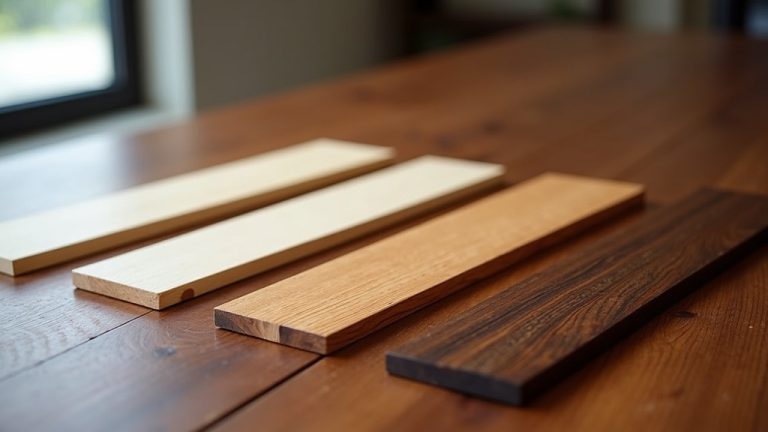
When you’re on the hunt for brick mold for your door, you’ll come across a few classic wooden options like pine and oak. These choices bring that natural beauty we all love, but keep in mind, they do require a bit of regular upkeep to keep looking their best.
Proper care and regular maintenance, including sanding, can extend the lifespan of wooden brick mold.
On the flip side, if you’re after something more modern, synthetic materials like PVC are a fantastic option. They’re super durable and low-maintenance, which is a real plus if you live in an area with harsh weather.
PVC is also rot-resistant and maintenance-free, making it ideal for exterior trim. And hey, if you’re looking for a mix of strength and style, don’t overlook composite blends or metal varieties.
They can give you that perfect balance you might be after. Using the right abrasive grit for finishing can improve the surface quality and durability of these materials.
Traditional Wood Options
Although modern brick mold often uses pine for its availability and ease of work, traditional wood options like hard pine and oak were originally chosen for their natural weather resistance.
You’ll find traditional wood brick mold typically comes raw and unfinished, requiring you to paint or seal it on-site for protection. Regular maintenance, such as painting or sealing, helps prevent wood deterioration caused by exposure.
If you prefer staining, solid wood without finger joints is ideal, showcasing natural grain and color variations for a premium look.
For easier installation, primed fingerjoint wood is available, pre-coated with primer to save time and reduce labor costs.
Standard sizes like the popular WM180 profile, usually 2 inches wide, are common. Whether you choose raw or primed wood, proper finishing and precise fitting are essential to keep your door weather-tight and looking great.
This is important because brickmold also helps in sealing out weather and moisture, extending the door’s lifespan.
Modern Synthetic Alternatives
Since durability and low maintenance are top priorities for many homeowners, modern synthetic materials have become popular choices for brick mold.
PVC plastic, made from 100% polyvinyl chloride, resists rot, moisture, and termites. It usually comes pre-finished, so you won’t need to paint it. Its water-resistant properties make it suitable for outdoor use.
For decorative brick casting, flexible rubber and silicone molds let you create custom shapes easily, though they aren’t meant for structural trim.
Latex molds also serve for small-batch decorative bricks but require special handling.
Injection-molded plastics like polypropylene are lightweight and weather-resistant, ideal for interlocking designs and landscaping. Many of these molds are made from plastic PP (Polypropylene) material, ensuring durability for repeated use.
Advanced composite synthetics blend plastic with fibers to mimic wood’s texture while offering better durability and moisture resistance.
These materials give you low-maintenance, long-lasting alternatives to traditional wood brick molds.
Composite and Metal Choices
If you want brick mold that combines durability with a refined appearance, composite and metal options deserve your attention.
Composite brick mold mimics wood’s texture while resisting rot and insects. It lets you paint or gel-stain it for a customized finish. It comes at a higher upfront cost but often includes extended warranties, reflecting its long-lasting nature. Composite materials are also favored for their weather-resistant properties, making them a practical choice in many environments. Its build quality and durability provide a significant advantage in maintaining structural integrity over time.
Metal brick mold, usually aluminum or steel, provides exceptional strength and weather resistance with minimal upkeep. This makes it perfect for extreme climates or modern designs. Though pricier and less versatile in style, metal offers unmatched protection against deformation.
When choosing between these, consider your budget, desired look, climate, and maintenance willingness. Composite suits those wanting wood aesthetics with durability, while metal fits users prioritizing longevity and toughness over style flexibility.
Weatherproofing and Sealing Advantages
When you install brick mold, it creates a tight seal between your door and the exterior wall, keeping out water, air, and pests. This seal prevents moisture intrusion and air leaks, protecting your door and surrounding structure from rain, wind, and drafts.
The design of the brick mold also helps maintain stiffness and control to ensure a stable and secure fit around the door frame.
By covering gaps between the door frame and wall, brick mold blocks dirt, pests, and weather, reducing risks of wood rot and structural damage. It also enhances your home’s energy efficiency by minimizing heat transfer, helping maintain a comfortable indoor temperature and lowering utility bills.
Additionally, brick mold adds an aesthetic appeal by creating a polished, finished look around the door. Made from durable materials like PVC or composite, brick mold resists warping and decay, preserving the seal’s integrity over time.
Pairing it with weather stripping further boosts protection against outdoor elements, ensuring long-lasting weatherproofing benefits.
Installation Benefits of Brick Mold
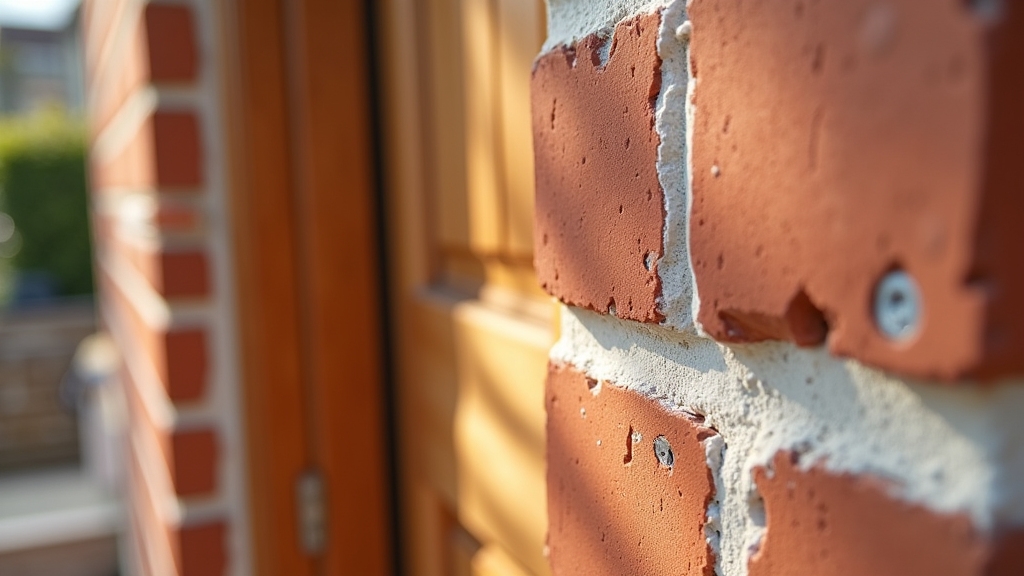
Although installing brick mold might seem like an extra step, it offers significant benefits that improve both the durability and ease of fitting your door.
Brick mold protects your door frame from damage during installation by acting as a buffer, preventing chipping or warping when fitting into rough openings. It also helps prevent damage from friction, which can occur if the frame shifts during fitting.
It stabilizes the door, providing a solid edge that keeps it from sliding inward or outward, which makes alignment easier and more precise.
Using pre-cut brick mold saves you time, eliminating the need for custom cuts on site and reducing errors.
Additionally, it allows temporary nailing without harming the frame, simplifying the leveling process.
Moreover, brick mold adds reinforcement to the doorframe, which increases security and helps prevent rot over time.
Pest Prevention and Structural Protection
To keep pests from sneaking into your home, one effective tip is to seal the gaps around your door using brick mold. This creates a solid moisture barrier, which not only protects against mold and rot but also keeps those pesky rodents and insects at bay. Proper sealing acts as a physical barrier, preventing entry points that pests such as mice and insects commonly exploit. Using materials with enhanced durability and wear resistance ensures the barrier remains effective over time.
By ensuring a tight seal, you’re also preserving the structural integrity of your door frame. It’s a win-win situation!
Plus, maintaining these protections helps you avoid those costly repairs down the line and keeps your living space healthy and comfortable.
Sealing Gaps Against Pests
How can you effectively keep pests from sneaking in through gaps around your doors?
Start by sealing every crack and crevice using the right materials.
Apply silicone sealant on small gaps around the door frame for flexibility and durability.
For larger openings, use expanding foam, especially near pipes or the foundation.
Stuff small holes with steel wool or copper mesh before sealing to block rodents that chew through softer materials.
Clean surfaces first to ensure sealants stick properly.
Don’t forget to install fine stainless steel mesh screens over vents and air bricks to prevent insects and rodents from entering while allowing airflow.
Regularly inspect and maintain these seals, as even tiny gaps can invite unwanted guests. Conducting thorough interior and exterior inspections helps locate potential entry points to address during sealing.
Properly sealed brick mold not only enhances your door’s look but is a key defense against pest intrusion.
Moisture Barrier Benefits
Why does moisture control matter so much around your door? Because uncontrolled moisture invites pests and damages your door frame’s structure.
Brickmold acts as a strong barrier, preventing water from seeping into gaps between your door frame and exterior wall. Its overlapping design diverts rain and humidity away, protecting wood from warping or rotting.
Additionally, brickmold is typically crafted from durable materials like wood, vinyl, or composite, which enhance its ability to seal and protect the door frame from environmental exposure (material durability). Choosing the right material impacts the durability and efficiency of moisture control.
Here’s how moisture control through brickmold benefits you:
| Benefit | Effect on Home | Your Advantage |
|---|---|---|
| Pest Prevention | Blocks entry points | Keeps pests out |
| Structural Protection | Stops water damage | Extends door lifespan |
| Weather Resistance | Diverts moisture | Saves costly repairs |
Preventing Mold and Rot
Controlling moisture around your door doesn’t just keep pests away; it also prevents mold and rot that can compromise your door’s structure.
Brick mold acts as a barrier by sealing gaps between the door frame and exterior wall, blocking water and insects from entering.
You should apply high-quality exterior caulk behind the brick mold and use corrosion-resistant fasteners to maintain a tight, waterproof seal. Proper installation by skilled professionals ensures the brick mold’s effectiveness and durability.
Regularly inspect and clean the brick mold, repairing or repainting any damaged areas promptly to stop rot before it starts.
Choosing vinyl or composite brick mold materials can further reduce the risk of termite damage and moisture absorption.
Proper installation and maintenance guarantee your door remains structurally sound and pest-resistant, extending its lifespan while keeping your home protected.
Design and Aesthetic Impact of Brick Mold
When you add brick mold around your door, you give the entryway a polished, finished look that enhances your home’s curb appeal.
Brick mold frames the door, making it appear more substantial and integrated with the exterior wall.
Brick mold surrounds the door, enhancing its presence and blending it seamlessly with the home’s exterior.
You can choose from various styles, from traditional Colonial with decorative curves to sleek modern profiles, that suit your home’s architecture.
Materials like wood, vinyl, or aluminum affect both texture and maintenance, letting you customize the look further.
Brick mold also visually widens the door opening and creates a seamless passage between door and siding. The brickmould dimension is crucial for fitting and finishing exterior door installations.
Compared to doors without brick mold, your entryway will have added depth, dimension, and a classic, detailed appearance that boosts overall design cohesion.
Frequently Asked Questions
Can Brick Mold Be Painted or Stained After Installation?
Yes, you can paint or stain brick mold after installation.
It’s best to do this post-installation to cover any raw edges or cuts made during fitting.
Make sure you choose exterior-grade paint or stain, and prep the surface by cleaning and priming if needed. Also, apply a protective clear coat after staining wood to enhance durability.
Remember to work in dry, moderate weather and mask surrounding areas to avoid unwanted paint spots.
How Does Brick Mold Affect Door Warranty Coverage?
Brick mold can directly impact your door’s warranty coverage if the manufacturer requires it for proper installation.
If you skip or improperly install brick mold, you risk water intrusion or structural damage, which often voids warranties.
To keep your coverage valid, follow all installation guidelines, including using the specified brick mold, sealing gaps, and applying approved flashing or caulking.
Are There Eco-Friendly Brick Mold Material Options Available?
You might think eco-friendly brick mold materials are as mythical as unicorns, but they actually exist.
You can choose bio-composite bricks made from agricultural waste or cork, both sustainable and carbon-negative.
Faswall blocks use recycled wood chips without harmful chemicals, offering mold resistance and breathability. Even recycled plastic molds help reduce waste.
What Maintenance Is Required to Keep Brick Mold in Good Condition?
You’ll want to inspect your brick mold yearly for cracks, rot, and insect damage.
Clean it regularly with mild detergent to remove dirt and debris.
Repaint or reseal wood molds every few years to protect against weathering.
Check and replace caulking to prevent water infiltration.
If you spot rot or damage, repair or replace sections promptly.
Using corrosion-resistant fasteners and selecting proper materials for your climate helps extend its lifespan.
Can Brick Mold Be Retrofitted on Existing Door Frames?
Think of brick mould as the frame that dresses your door, elevating both function and style.
Yes, you can retrofit brick mould on existing door frames. Just measure carefully, remove any old trim, and choose durable materials like composite or PVC.
You’ll need to cut precisely, fasten securely, and seal properly to keep moisture out. While it’s a bit labor-intensive, adding brick mould boosts weatherproofing and curb appeal without replacing the entire frame.
Now That You Know What Brick Mold on a Door Is, What’s Next?
Think of brick mold as the trusty frame that not only holds your door but shields it like a guardian. It seals out weather, pests, and wear, giving your entryway strength and style.
By choosing the right materials and proper installation, you’re ensuring your door stands firm and looks inviting. Fundamentally, brick mold isn’t just trim; it’s the silent protector that keeps your home safe and welcoming, season after season.