Walnut vs Cherry Wood: Which Is Better for Furniture?
When choosing between walnut and cherry wood, you’ll find walnut offers superior durability with a Janka hardness of 1010 lbf, making it better for heavy-use furniture.
Cherry, softer at around 950–995 lbf, excels in fine cabinetry thanks to its smooth grain and rich aging color, deepening from pinkish to reddish-brown.
Walnut’s dark brown hues and resistance to warping contrast cherry’s lighter tones and photosensitivity. Each wood’s strengths fit different projects, and understanding their characteristics helps tailor your selection perfectly.
Key Takeaways
- Walnut is harder and more durable than cherry, making it ideal for heavy-use furniture and high-traffic areas.
- Cherry wood has a fine, straight grain and deepens from light pinkish-brown to rich reddish-brown with age.
- Walnut offers a medium to dark brown color with subtle purplish undertones and develops a muted patina over time.
- Cherry requires careful sanding and UV-protective finishes to prevent uneven darkening and maintain uniform appearance.
- Walnut is more expensive and less available due to limited supply, while cherry is more affordable and widely sourced.
Walnut vs Cherry Wood – Comparison Table
| Feature | Walnut Wood | Cherry Wood |
|---|---|---|
| Janka Hardness | 1010 lbf | 950–995 lbf |
| Durability | More durable; better resistance to dents and wear | Slightly softer; more prone to scratches |
| Best For | Heavy-use furniture (tables, cabinets, high-traffic areas) | Fine cabinetry, decorative furniture, indoor pieces |
| Color (Initial) | Medium to dark brown with chocolate tones | Light pinkish-brown |
| Color (Over Time) | Lightens slightly; develops muted patina | Darkens to rich reddish-brown due to UV exposure |
| Grain Pattern | Straight to wavy; often with curls and knots | Fine, straight, smooth, uniform |
| Visual Style | Bold, dramatic, luxurious | Elegant, refined, classic |
| Workability | Carves and machines smoothly; resists splintering | Machines cleanly but requires precision |
| Sanding | Sands easily and evenly | Requires uniform sanding to avoid blotching |
| Finishing | Absorbs stain evenly | Sensitive to blotching; benefits from careful finishing |
| Glue & Joinery | Stable; excellent structural strength | Glues well but needs precise surface prep |
| Aging Behavior | Subtle color change | Significant darkening over time |
| Outdoor Suitability | Not ideal without heavy sealing | Not recommended for outdoor use |
| Availability | Less available; shorter trees | More widely available |
| Cost | More expensive (premium hardwood) | More affordable |
| Maintenance Needs | Moderate | Requires attention to UV exposure |
Durability and Strength: Walnut vs Cherry
When choosing between walnut and cherry for your project, understanding their durability and strength is crucial.
Walnut exhibits a Janka hardness rating of 1010 lbf, offering superior resistance to dents and wear compared to cherry, which ranges between 950 and 995 lbf.
Its higher density and shock absorption make walnut ideal for heavy-use furniture such as tables and cabinets, minimizing warping under stress.
Cherry, while strong, is softer and more prone to scratches, requiring careful placement in high-traffic areas.
This wood excels in detailed craftsmanship but demands more maintenance to preserve structural integrity.
Both woods provide reliable strength, but if you need maximum durability and minimal deformation, walnut stands out as the technically superior choice for demanding applications.
Cherry suits projects where moderate strength and fine detail are prioritized.
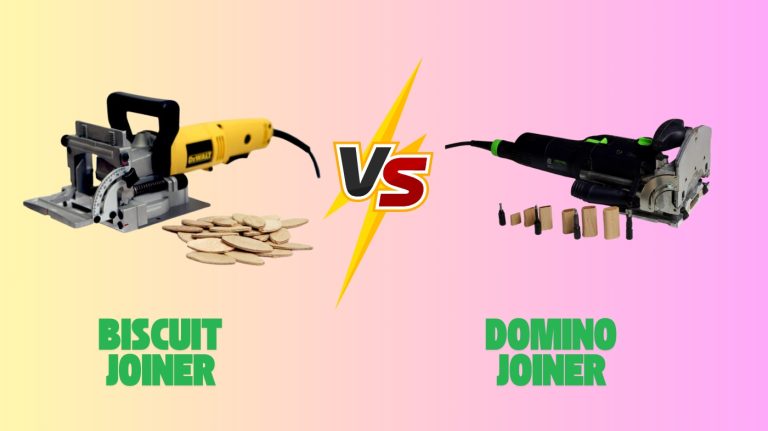
For woodworking projects requiring precise and clean joinery, using tools with adjustable width range can enhance fit and finish.
Color and Grain Patterns Compared
Although both walnut and cherry offer distinct aesthetic qualities, their color and grain patterns present notable differences that influence your design choices.
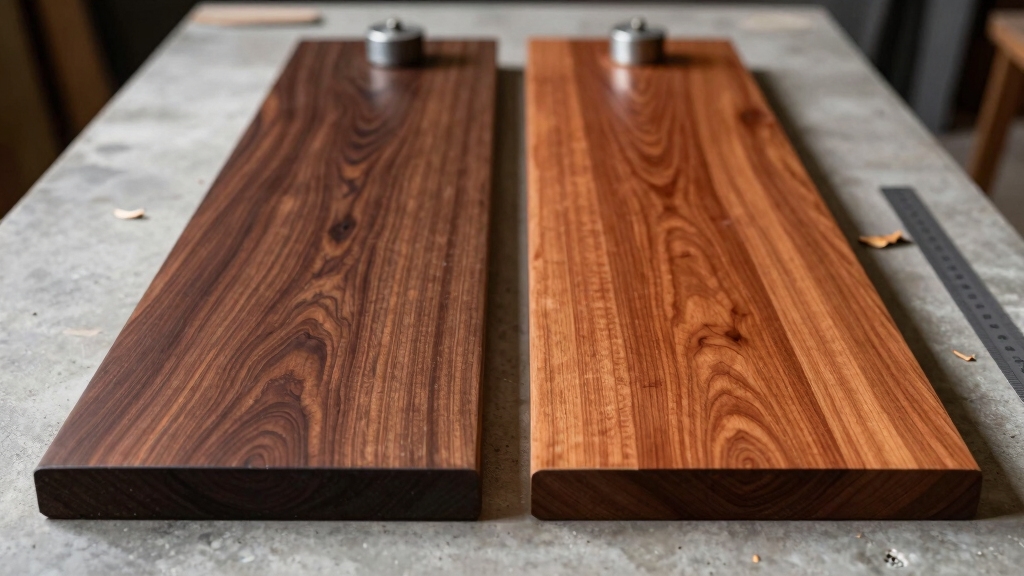
Walnut exhibits medium to dark brown hues with chocolate tones and subtle purplish or gray undertones. It features straight to wavy grain patterns rich in knots and curls.
This intricate grain adds depth and character, making walnut ideal for bold, visually textured pieces.
Cherry, conversely, starts with a light pinkish-brown color that deepens to reddish-brown over time due to photosensitivity. Its grain is fine, straight, and smooth with a uniform texture, lending a refined, elegant appearance.
When selecting between these woods, consider walnut’s complex grain for dramatic effect versus cherry’s consistent grain for classic, understated beauty. Both woods’ color evolution also requires planning for long-term aesthetics. Additionally, understanding each wood’s grain influence on workability can help tailor your woodworking techniques to achieve the best finish.
Workability for Furniture Making
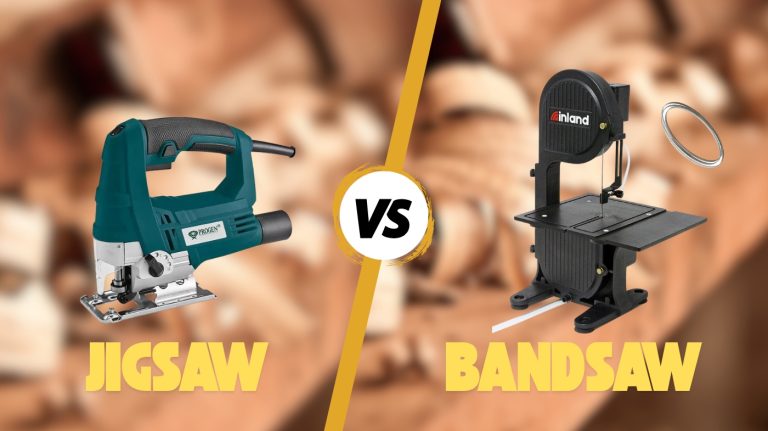
When you’re working with walnut, you’ll notice how easily it carves and shapes.
It really doesn’t splinter, which makes it perfect for those intricate furniture components.
Now, cherry is a bit different.
It machines cleanly, but you have to be careful with sanding and finishing to prevent any uneven surfaces or staining problems.
The good news? Both of these woods bond great with glue.
Walnut’s Janka hardness rating of 1,010 lbf provides a balanced hardness ideal for durable yet workable furniture pieces.
Carving And Shaping
Since carving and shaping demand precision and control, choosing the right wood directly affects your workability and final quality.
Walnut stands out because it carves and machines smoothly without splintering, allowing you to achieve intricate details with confidence. Cherry machines cleanly but requires a steadier hand to avoid uneven cuts or damage due to its slightly softer nature.
When working with these woods, consider:
- Tool Compatibility: Walnut handles both hand and power tools well, providing predictable resistance.
- Wood Density: Walnut’s density supports deeper, sharper cuts; cherry’s rigidity calls for careful, controlled shaping.
- Detail Retention: Walnut maintains fine edges without chipping; cherry is ideal for delicate, refined designs but demands precision.
Choosing between the two hinges on your project’s detail level and your carving technique. Also, applying the appropriate oil-based finish can enhance the wood’s grain and protect your fine carvings for lasting beauty.
Sanding And Finishing
Mastering carving and shaping sets the stage for effective sanding and finishing, which ultimately defines the tactile and visual quality of your furniture piece.
Walnut sands smoothly without splintering, allowing you to achieve a fine, even surface ready for finishing. Cherry requires careful, even sanding to avoid blotchy stains due to its sensitivity.
Both woods respond well to hand or power sanding, but cherry’s fine grain demands more precision.
| Feature | Walnut | Cherry |
|---|---|---|
| Sanding Ease | Smooth, resists splintering | Requires uniform sanding |
| Grain Texture | Straight to wavy, intricate | Fine, straight, even |
| Finishing | Absorbs stain evenly | Sensitive to blotching |
| Final Appearance | Rich, consistent color | Deepens over time |
For optimal results, applying a natural beeswax polish after finishing can help protect and enhance the wood’s appearance while preventing drying and cracking.
Glue And Joinery
Achieving strong, durable joints depends heavily on the wood’s glue compatibility and structural stability during assembly.
Both walnut and cherry glue well, but their distinct properties affect joinery performance. Walnut’s medium density and stability allow it to handle hand and power tools without warping, ensuring tight, consistent joints.
Cherry, while rigid when dry, machines cleanly and accepts glue evenly, but requires careful sanding to avoid uneven absorption.
Consider these factors when working with each wood:
- Walnut: Stable under pressure, resists joint failure from shock or stress.
- Cherry: Demands precise sanding; uneven surfaces risk weak bonds.
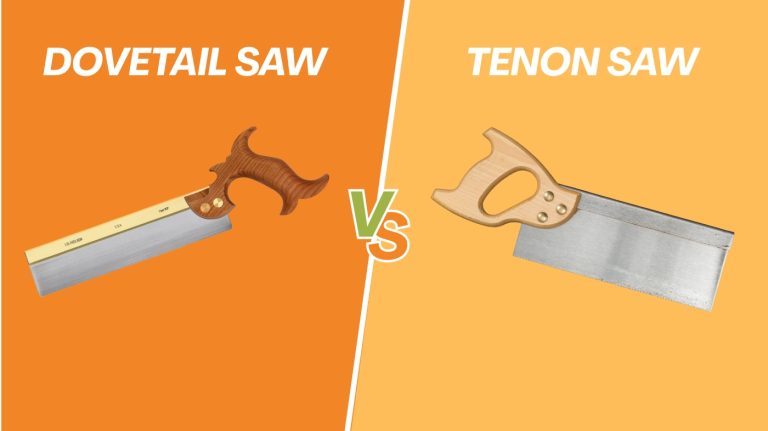
- Both: Respond well to common wood glues, enabling durable mortise-and-tenon or dovetail joints.
Your choice influences the longevity and strength of furniture you build. Using precise tools such as a miter saw laser guide can improve the accuracy of cuts, ensuring better-fitting joints and enhancing overall workability.
Best Furniture Uses for Walnut and Cherry Wood

Consider walnut when you need furniture that combines exceptional durability with luxurious aesthetics, especially for high-traffic pieces like dining tables and cabinets. Its Janka hardness of 1010 lbf, dense structure, and shock absorption minimize dents and warping under heavy use.
Walnut’s intricate grain patterns and medium to dark brown hues with purplish undertones enhance luxury designs. On the other hand, cherry wood excels in detailed craftsmanship such as fine cabinetry and decorative indoor furniture. Its fine, straight grain and smooth texture allow precise carving and staining, though it’s softer (950-995 lbf Janka) and less suited for surfaces subject to frequent abrasion.
Cherry’s light pinkish-brown color deepens to rich reddish-brown over time, adding warmth to classic pieces. You’ll want to choose walnut for robustness and cherry for elegance and detailed work indoors.
Both woods benefit from proper finishing to highlight their natural beauty and protect them from moisture and wear, similar to how wood finishing techniques improve the durability and appearance of pine varieties.
Cost Comparison: Walnut vs Cherry
Although both walnut and cherry wood offer distinct aesthetic and functional qualities, you’ll notice a significant difference in cost driven by factors such as availability, lumber yield, and material characteristics.
Walnut generally commands a higher price due to its scarcity and lumber defects, while cherry remains more affordable and accessible.
Here are the key cost factors worth taking into account:
- Availability: Walnut trees are less common and shorter, limiting long board supply. Cherry trees are more plentiful and easier to source.
- Lumber Yield: Walnut’s frequent knots and defects reduce usable material, increasing waste and cost.
- Market Position: Walnut is positioned as a premium hardwood, often reserved for luxury projects, whereas cherry caters to mid-to-high range furniture markets.
Understanding these factors helps you justify the price differences when selecting wood for your projects. Additionally, choosing the right finish and application can enhance the durability and appearance of your wood, potentially adding long-term value regardless of the initial cost.
Aging and Color Changes
You’ll notice that walnut wood lightens subtly over time. It keeps its medium to dark brown hues, and the structural changes are minimal.
On the other hand, cherry wood has a more dramatic transformation. It starts off as a light pinkish-brown and then darkens to a rich reddish-brown due to exposure to UV light.
This photosensitivity in cherry wood can lead to uneven color changes, which is something to keep in mind. So, if you want to ensure a uniform aging process, careful placement of your cherry wood pieces is really important.
Applying UV-absorbing finishes can help minimize these color variations and protect the wood over time.
Walnut Color Evolution
When exposed to light and air over time, walnut wood gradually lightens in color, shifting from its original medium to dark brown tones toward a softer, slightly muted hue. This subtle transformation results from slow oxidation and UV interaction with the wood’s natural pigments.
You’ll notice these key aspects in walnut’s color evolution:
- Initial rich chocolate and purplish undertones fade gently, reducing contrast within the grain.
- The surface develops a uniform, muted patina without significant darkening or blotching.
- Color changes stabilize after several years, maintaining walnut’s elegant appearance without drastic shifts.
Understanding this evolution helps you anticipate how walnut furniture or cabinetry will age, ensuring your design retains its refined, consistent look over time. Regular maintenance, including gentle cleaning with mild soap and water, supports the wood’s natural beauty and longevity through every season, as detailed in our cleaning and maintenance guidelines.
Cherry Darkening Effects
Since cherry wood is photosensitive, its color undergoes a significant transformation as it ages. It darkens from a light pinkish-brown to a rich reddish-brown hue with prolonged exposure to UV light.
This photochemical reaction alters the wood’s surface pigments, intensifying its warm tones. You’ll notice that uneven light exposure can cause patchy darkening, so positioning and lighting conditions are vital for uniform appearance.
Over time, cherry’s fine, straight grain remains smooth, but the color shift enhances depth and complexity. Unlike walnut, which lightens slightly, cherry’s color change is pronounced and permanent.
To maintain consistency, consider UV-protective finishes. Understanding this aging process helps you anticipate aesthetic changes, ensuring your cherry wood pieces develop their characteristic patina while preserving structural integrity.
Frequently Asked Questions
Which Wood Is More Eco-Friendly to Source, Walnut or Cherry?
You’ll find cherry wood generally more eco-friendly to source because cherry trees are more readily available and grow faster than walnut.
Walnut is scarcer, with shorter trees and more defects, requiring more lumber to yield usable wood.
This scarcity often leads to higher environmental impact during harvesting and processing.
How Do Walnut and Cherry Wood Respond to Different Finishing Oils?
You’ll find walnut absorbs finishing oils like tung or linseed well, enhancing its deep, rich tones without blotching due to its open grain and stable texture.
Cherry, with its fine, smooth grain, takes oils evenly but requires careful sanding to avoid uneven absorption or blotches.
Its photosensitivity means oil finishes can deepen its color markedly, so test first.
Both woods benefit from multiple thin coats for ideal protection and aesthetic depth.
Are Walnut and Cherry Woods Suitable for Outdoor Furniture?
You wouldn’t use walnut or cherry wood to build a medieval castle’s battlements because neither resists outdoor elements well.
Walnut’s density and shock absorption help, but it’s still prone to warping and moisture damage without extensive sealing.
Cherry’s photosensitivity and softer hardness make it even less ideal outdoors, as it darkens unevenly and scratches easily.
For outdoor furniture, you should choose woods specifically treated or naturally weather-resistant instead.
Can Walnut or Cherry Wood Be Used Effectively for Musical Instruments?
You can use walnut effectively for musical instruments, thanks to its density, shock absorption, and stability, which guarantee tonal richness and durability.
Cherry wood, while workable and with fine grain, is less common in instruments due to its softer nature and photosensitivity, which can affect consistency in sound and finish over time.
Choose walnut for high-quality, durable instruments; cherry suits decorative or less impact-prone components requiring smooth texture and detailed craftsmanship.
What Are the Common Pests or Diseases Affecting Walnut and Cherry Trees?
You’ll find walnut trees commonly affected by thousand cankers disease, caused by a fungus spread by walnut twig beetles, leading to branch dieback.
Cherry trees often face bacterial canker, which creates sunken lesions and oozing gum, plus cherry leaf spot fungus causing defoliation.
Both trees are susceptible to aphids and borers, which weaken them structurally. Managing these pests requires vigilant monitoring and timely fungicide or insecticide treatments to protect your trees effectively.
Smart Wood Selection for Precision, Style, and Longevity
When choosing between walnut and cherry wood, remember that “the devil is in the details.” Walnut offers superior durability and striking grain, ideal for high-end furniture needing strength.
Cherry boasts smoother workability and rich aging hues, perfect for elegant, warm pieces. Your decision hinges on balancing cost, hardness, and aesthetic goals.
Both woods age beautifully, but knowing their technical differences guarantees your project stands the test of time with precision and style.