Danish Oil vs Tung Oil: Key Differences for Wood Finishes
If you want fast drying with a durable, varnish-like finish, Danish oil blends oils with solvents and resins to create a protective film while enhancing grain contrast.
Tung oil, however, is pure, penetrating deeply to darken and slightly yellow wood but needs longer curing and multiple coats for durable protection.
Danish oil resists yellowing better and offers superior water resistance. Keep going to understand which oil aligns best with your project’s needs.
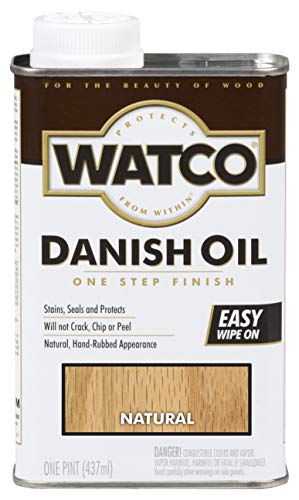
- Ideal for use on a variety of indoor wood surfaces including bare, stripped or sanded; not…
- Oil-based formula of blended oil & varnish penetrates deeply into wood pores for ultimate protection
- Dries to the touch in as little as 6 hours and covers up to 85 sq ft


- Easy to Use – Tung oil is a natural oil recognized by craftsmen to offer the ultimate hand-rubbed…
- Permeates – Unlike other finishes that form a film on the wood’s surface, tung oil penetrates deep…
- Protects – Resistant to moisture, alcohol, oil, and everyday wear for lasting beauty and protection…
Key Takeaways
- Danish oil contains solvents and resins, dries faster, and forms a thin protective film with better water and abrasion resistance than tung oil.
- Pure tung oil is 100% natural, penetrates deeply, darkens wood with a matte finish, and requires longer drying and curing times.
- Danish oil enhances wood grain and color contrast, maintaining lighter tones, while tung oil imparts a warm amber hue that deepens over time.
- Tung oil is food-safe and ideal for surfaces needing a natural, non-toxic finish; Danish oil offers superior chemical and heat protection.
- Multiple coats of Danish oil build a satin sheen quickly, whereas tung oil needs more coats and time to develop a durable, flexible finish.
Wood Finish Comparison: Danish Oil and Tung Oil
| Feature | Danish Oil | Tung Oil |
|---|---|---|
| Composition | Blend of oil, solvents, and resins | 100% natural oil from tung tree nuts |
| Penetration | Moderate penetration with light surface film | Deep penetration into wood fibers |
| Drying Time | Fast drying, often within hours | Slow drying, 24+ hours between coats |
| Curing Method | Dries through solvent evaporation and resin hardening | Cures by oxidation and polymerization |
| Finish Sheen | Builds to a satin to semi-gloss look | Matte to soft satin over time |
| Color Effect | Maintains lighter, stable tones | Develops warm amber hues |
| Water Resistance | Stronger early protection due to film | Improves gradually with multiple coats |
| Abrasion Resistance | Better resistance to light wear | Softer surface, shows wear sooner |
| Maintenance Needs | Less frequent reapplication | Requires periodic refresh coats |
| Odor After Curing | May retain faint varnish scent | Becomes completely odorless |
Composition and Ingredients Comparison
Although both Danish oil and tung oil serve as wood finishes, their compositions differ markedly, affecting performance and application.
Danish oil lacks a fixed formula; it typically blends tung or polymerized linseed oil with mineral spirits, petroleum distillates, and various solvents like Stoddard solvent. This results in VOC levels near 450 g/L. It also contains drying agents such as cobalt or Japanese dryers and resins like rosin ester.
Solids content varies widely from 10% to over 50%, depending on quality and brand. Because modern formulations often include industrial solvents and other toxic ingredients, it is important to handle Danish oil with care to avoid health risks from inhalation or prolonged exposure industrial solvents.
Danish oil blends tung or polymerized linseed oil with mineral spirits and solvents like Stoddard solvent for versatile finishing.
In contrast, pure tung oil is 100% natural, extracted directly from tung tree nuts, without solvents, resins, or additives. It polymerizes solely through oxygen exposure, forming a hard, durable finish. When fully cured, it creates a chemically inert, waterproof film that is safe for food-contact surfaces.
Some natural Danish oils blend tung oil with citrus peel oil or other natural components but still differ from pure tung oil’s simplicity.
Differences in Finish and Appearance
Understanding the composition differences between Danish oil and tung oil helps explain their distinct effects on wood’s finish and appearance.
Tung oil darkens wood more noticeably, imparting a slight yellow tint and matte finish that enhances brightness initially but smooths grain definition, resulting in a subtler texture. Pure tung oil is known to be slow-drying, often taking days to fully cure, which can influence project timing. It also penetrates deeply into wood fibers rather than forming a surface film, integrating with the wood for a flexible, enduring finish.
In contrast, Danish oil maintains a lighter, more natural wood tone and develops a satin to semi-gloss sheen over multiple coats. It accentuates grain texture, especially on figured woods, by increasing contrast and popping the figure. Danish oil forms a harder, glossier film with minor buildup, offering greater sheen durability compared to tung oil’s polymerizing finish.
Tung oil penetrates deeply without film buildup, while Danish oil forms a harder, glossier film with minor buildup, offering greater sheen durability. Over time, tung oil yellows and darkens, shifting to amber hues, whereas Danish oil resists yellowing, preserving consistent color longer with a more stable finish.
Drying Times and Application Process
When applying Danish oil or tung oil, knowing their distinct drying times and application methods helps you plan your project efficiently.
Danish oil dries to touch within 6-8 hours and becomes surface-ready in 8-10 hours at 70-80°F with 50% humidity. You apply it liberally, let it penetrate for 15-30 minutes, then wipe off excess. It is important to remove all excess oil after the penetration time to avoid a tacky surface and ensure proper curing. Maintaining relative humidity between 50%–60% during application helps guarantee optimal drying conditions.
Danish oil dries to touch in 6-8 hours and is surface-ready in 8-10 hours.
Multiple coats can be applied daily, but over-application causes tackiness and extends cure time. Tung oil requires 24 hours or more to dry between coats, with full cure taking up to 30 days.
Thin initial coats with mineral spirits, wiping excess after 15-30 minutes. You need 3-5 coats for adequate protection, allowing 72 hours minimum before recoating. Applying multiple thin coats with proper drying intervals improves penetration and durability.
Both oils demand careful humidity and temperature control for optimal drying. Ensuring the temperature is above 10°C and avoiding damp conditions or direct sunlight during application improves the drying and curing process.
Durability and Protective Qualities
Because durability defines a finish’s practical value, you need to assess how Danish oil and tung oil protect wood surfaces against water, wear, and chemical exposure.
Danish oil’s varnish or alkyd components create a thin film that offers superior immediate water resistance, abrasion resistance, and better chemical and heat protection compared to pure tung oil. Applying thin, even coats and allowing sufficient drying time enhances this protective layer’s effectiveness.
Tung oil cures into a crosslinked film that improves moisture repellence but requires multiple coats for meaningful protection. It penetrates wood pores rather than forming a robust surface layer, so it shows wear faster and needs more frequent maintenance.
Water beads quickly on Danish oil’s film but only slowly on tung oil’s cured surface.
Tung oil’s finish dulls under abrasion, while Danish oil resists light scratches better.
Danish oil withstands mild chemicals and heat more effectively than pure tung oil. Many commercial tung/danish products are actually wiping varnishes or oil/varnish blends, which contribute to their improved durability compared to pure oils commercial products.
Best Uses and Selection Tips
Selecting between Danish oil and tung oil depends largely on the wood species and the desired finish characteristics.
Use Danish oil to enhance rich tones in oak or to bring out figure in cherry and walnut. It darkens less than linseed oil and builds a varnish-like coating with a lustrous sheen after multiple applications.
Opt for tung oil when you want to preserve natural color without darkening, especially on maple or wet-look finishes like guitars. Tung oil penetrates deeply, builds a clear gloss over time, and is ideal for food-safe surfaces like pine dining tables due to its non-toxic nature.
Apply Danish oil by wiping on one layer daily, while tung oil requires multiple coats with air exposure to cure properly.
Choose based on wood type, desired sheen, and application patience. For added protection and durability, consider applying polycrylic over fully dried paint to enhance the finish without yellowing.
Frequently Asked Questions
Can Danish Oil or Tung Oil Be Used Outdoors Without Additional Sealants?
You shouldn’t rely solely on Danish or tung oil outdoors without additional sealants.
While both penetrate wood and provide some water resistance, they don’t form durable, waterproof films or block UV damage effectively.
Expect frequent maintenance, mildew risk, and possible wood degradation if you skip surface coatings.
For long-term exterior protection, apply a film-forming topcoat with UV inhibitors over the oils.
This is especially important on horizontal or ground-facing surfaces exposed to weather.
Are There Any Health or Safety Concerns When Applying These Oils?
Worried about health risks when applying these oils? Yes, you should be cautious.
Solvent vapors can irritate your respiratory system and cause dizziness or headaches, especially in confined spaces.
Skin contact might lead to dryness, cracking, or allergic reactions, so always wear chemical-resistant gloves.
Keep oily rags spread out or sealed to prevent spontaneous combustion.
Assure good ventilation and eliminate ignition sources to maintain safety during application.
How Do These Oils Affect the Scent or Odor of Finished Wood?
You’ll notice that finished wood treated with Tung oil ends up completely odorless after curing because it’s 100% natural and doesn’t retain smells.
Danish oil, however, leaves a faint chemical or varnish undertone due to its solvent and resin content, even once dry.
While Tung oil darkens wood naturally without lingering odors, Danish oil’s finish carries a subtle synthetic scent, especially after multiple coats or faster drying times.
Can Danish Oil or Tung Oil Be Applied Over Existing Finishes?
You can apply Danish oil over existing, fully cured oil-based finishes, especially if you lightly scuff-sand the surface to improve adhesion.
Tung oil works too, but only if the underlying finish isn’t a non-penetrating film like lacquer or polyurethane.
If the existing finish is sticky or uncured, you must let it dry or remove it first.
For film finishes, sanding is essential, and testing adhesion beforehand is wise to make certain proper curing and durability.
What Is the Shelf Life of Unopened Danish Oil and Tung Oil Products?
You’d think these oils would last forever sealed tight, but unopened Danish oil usually keeps well for about 2 to 5 years if stored properly.
Tung oil can hold up for 5 years or more. Keep them cool, sealed, and away from light to prevent oxidation and spoilage.
Always check clarity and smell before use. If it gels or smells off, don’t risk ruining your project.
Which Wood Finish Fits Your Needs: Danish Oil vs Tung Oil?
Choosing between Danish oil and tung oil isn’t just about finish. It’s about how your wood will live and breathe under your care.
Danish oil offers quicker drying and a subtle sheen. Tung oil delivers deep, durable protection with a natural look.
Think of it as deciding whether you want speed or lasting resilience. Both transform wood beautifully, but your project’s demands will guide your perfect match. Trust your expertise to pick wisely.
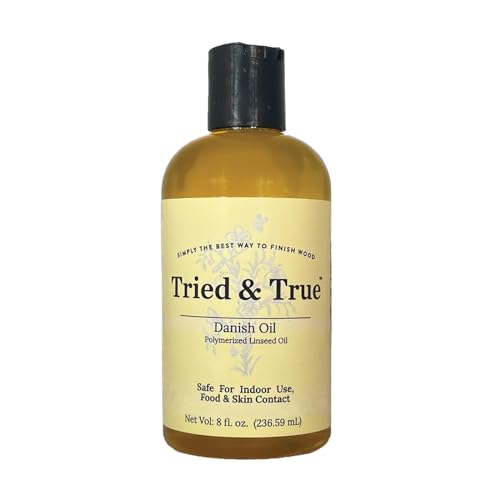
- SUPERIOR PENETRATING POWER: The Danish Oil by Tried & True is a superior, high penetrating finish…
- DESIGNED TO CREATE WOOD STAINS: This linseed oil for wood will darken the wood slightly and can be…
- PROFESSIONAL QUALITY: This linseed oil for wood is commonly used by woodworking professionals for…
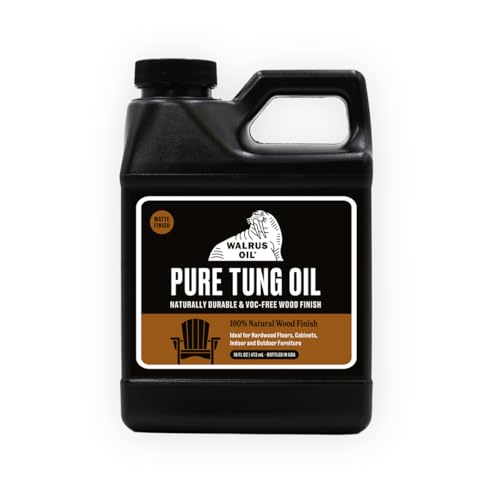
- Great for Cabinets, Doors, and Hardwood Floors
- Natural UV Resistant Outdoor Furniture Conditioner
- Safe with NO VOCs
Last update on 2026-04-12 / Affiliate links / Images from Amazon Product Advertising API