Best Hardwood Floor Sander for Flawless Finishes
Hardwood floor sanders that falter under pressure tend to leave uneven surfaces and swirl marks, ruining the wood’s natural beauty. A sander that slows down or vibrates excessively can cause inconsistent depth removal and frustrating rework.
The best hardwood floor sander must deliver sustained power, precise cut control, and vibration-free operation to tackle both open floors and tight edges flawlessly.
Many common sanders struggle to maintain speed or balance, especially near corners or delicate areas. That’s where powerful units with advanced motor and fan systems change the game, making a visible difference in the finished floor’s smoothness and longevity.
| Image | Name | Editor's Rating | Price |
|---|---|---|---|

|
American Sanders 07127A American B-2+, 7...
|
|
Choosing the Best Hardwood Floor Sander for Professional Results
Refinishing hardwood floors demands precision and power. Explore top-rated sanders that combine durability and performance to achieve a flawless, smooth finish every time.
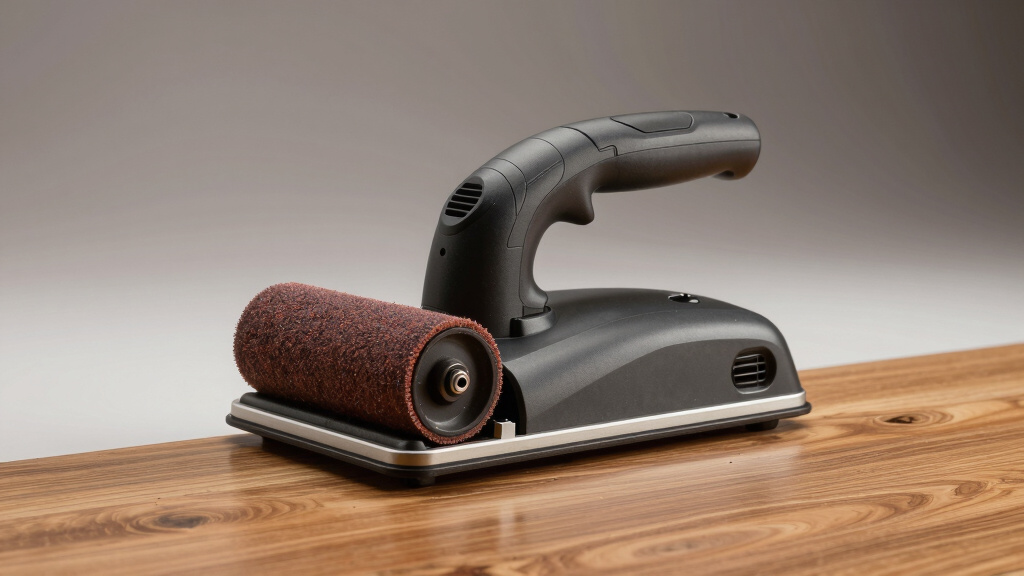
1. American Sanders 07127A B-2+ 7″ Edger with Precision Cut and Durable Motor

- Powerful 1 HP motor maintains speed under heaviest cutting conditions
- Electronically balanced fan and motor for smoother operation
- Long lasting graphite brushes for extended brush and armature life
Finishing hardwood floors in tight corners and along edges often reveals hidden challenges that common sanders can’t tackle efficiently. American Sanders addresses this with a specialized 7″ edger designed to keep pace under demanding conditions.
Powered by a robust 1 HP motor, it preserves consistent speed whether you’re on thick or delicate flooring. The tool’s electronically balanced fan and motor minimize vibrations, resulting in smoother, more controlled operation that enhances your overall finish.
Thanks to the precision balanced sanding pad, the device delivers a finer surface texture, ideal when striving for professional-grade results. The upgraded dust system swivels 280 degrees, letting you reach closets and tight corners without repositioning hassles, reducing downtime.
Durability remains upfront in this model’s design, with long-lasting graphite brushes extending motor life and reducing maintenance. American Sanders continues to offer reliable equipment favored by pros for half a century, merging power and finesse inside one compact tool.
Best for: Craftsmen and flooring specialists needing precise edge work on hardwood surfaces with dependable, lasting performance.
Pros:
- Consistent 1 HP motor power under heavy load
- Advanced dust pipe with 280° swivel enhances accessibility
- Balanced sanding pad ensures smooth, fine results
- Durable graphite brushes extend motor lifespan
- Quick-release bag simplifies dust management
Cons:
- Weighted at 47 pounds, it could be cumbersome for prolonged handheld use
Key Specs Compared: Top Best Hardwood Floor Sanders
| Product Name | Power | Voltage | Max Speed (RPM) | Weight |
|---|---|---|---|---|
| American Sanders B-2+ Edger | 1 HP motor, maintains speed | 115 Volts | 3200 RPM (fast), 2800 RPM (precision) | 47 lbs |
Key Features to Choose the Ideal Hardwood Floor Sander

Picking the right floor sander means focusing on what really affects performance and finish quality. Each factor plays a critical role in avoiding common sanding issues.
Motor Power and Speed Consistency
Motor power is key to tackling dense hardwood and keeping a steady speed. If the motor lacks strength, the sander slows down and creates uneven surfaces, meaning more work to fix them.
A solid motor, like a 1 HP one running at a consistent 3200 RPM, keeps the sanding smooth and steady. This steady pace helps remove wood evenly, even on stubborn areas or thick finishes.
Choosing a sander with weak motor power risks slow sanding, uneven patches, and even damage from overheating. Without steady speed, the tool might gouge or burn the wood, ruining your work.
Ergonomics and Weight Balance
The way a sander feels in your hands directly affects control and how tired you get. Weight distribution and ergonomics play a big role in operator comfort. If the tool is too heavy or off-balance, moving it precisely, especially around edges or tight spots, becomes a challenge.
Look for a sander that’s both well-balanced and on the lighter side, around 47 lbs, ideally with vibration-dampening features. This design lets you work longer without strain and helps keep your sanding smooth and steady. Holding consistent pressure and following the surface contours gets easier.
Using a heavy or unbalanced sander often leads to shaky lines and patchy finishes. That means more time fixing mistakes or uneven spots, which nobody wants after all the effort.
Cutting Surface Size and Edge Capability
Choosing the right sanding surface size is key for any floor project. Larger sanding pads cover wide areas quickly but often miss tight corners and edges. Smaller pads excel in detailed spots but can slow down the overall job.
A 7″ edger is a perfect companion to a main floor sander. It fits into narrow corners and along baseboards where big sanders can’t reach. Using both tools together balances speed with precision, ensuring no area is left rough.
Relying solely on large sanders results in rough edges, while only using small ones drags out the work. Combining the two leads to a smooth, uniform finish and a timely completion.
Vibration Control and Fan Balance
Vibration plays a big role in both the quality of your work and how comfortable you feel using the tool. When the machine shakes too much, it creates uneven sanding and wears you out faster.
Fans and motors that are electronically balanced cut down vibration a lot. This means the machine moves smoothly and you have better control. Plus, it helps the tool last longer by reducing strain on its parts.
Without proper vibration control, you risk leaving swirl marks on the floor and tiring your muscles sooner. Choosing a sander with good balance makes your job easier and your finish cleaner.
Durability and Build Quality
Robust construction is key to a sander’s ability to handle tough job site conditions. When parts flex or wear out quickly, the tool loses precision and becomes unreliable.
Look for high-quality motors, reinforced housings, and carefully crafted components. These features are common in professional-grade sanders designed to last through extended use.
Flimsy or cheap builds often lead to frequent breakdowns and uneven sanding results. This not only disrupts your workflow but also leads to costly repairs and downtime.
Frequently Asked Questions
How does motor power affect hardwood floor sanding?
Motor power directly influences a sander’s ability to maintain cutting speed on dense wood. Higher horsepower means the sander can handle thick finishes and hardwood without bogging down, which prevents uneven sanding. A sander with insufficient power will slow under pressure, leading to inconsistent surface levels and more effort to finish properly.
For instance, a 1 HP motor can sustain speeds around 3200 RPM even under load, ensuring smooth wood removal. Lower power units may stall or lose RPM, affecting performance.
It’s wise to choose a sander with at least 1 HP for reliable hardwood sanding and avoid machines that overheat or struggle during prolonged use.
Why is vibration control important in a hardwood floor sander?
Vibration not only tires the operator but also creates uneven sanding marks and swirl patterns on the wood surface. When a sander vibrates excessively, it becomes challenging to maintain steady pressure and consistent motion.
Models with electronically balanced fans and motors help reduce vibration significantly, improving finish quality and operator comfort. This balance also minimizes wear on internal components, extending tool life.
Consider sanders designed specifically with vibration dampening if you expect extended use or require a flawless finish.
Can a 7-inch edger replace a main floor sander?
A 7-inch edger is designed to complement rather than replace a main floor sander. Its smaller sanding pad excels at reaching tight corners and edges that large sanders cannot access.
While the edger offers precision in narrow spaces, it doesn’t cover wide floor areas efficiently. The ideal workflow uses the main sander for open floor sections and the edger for detailed edge work.
Relying solely on an edger will prolong project time and may result in uneven sanding on larger surfaces.
What problems arise from ignoring sander weight and ergonomics?
Heavier or poorly balanced sanders cause operator fatigue and decrease control, especially when sanding edges or detailed areas. This lack of control can lead to uneven sanding depths, missed spots, and accidental gouges.
A sander weighing around 47 lbs with good balance reduces muscle strain and improves precision. Ergonomic handles and vibration reduction enhance comfort during long sessions.
Choosing a cumbersome or awkward tool often leads to shortcuts or inconsistent results, impacting the floor’s final appearance.
How important is RPM speed in hardwood floor sanders?
RPM speed affects how quickly and smoothly a sander removes the top wood layer. Higher speeds enable fast material removal but require power and balance to avoid damaging the floor.
A sander running consistently at 2800–3200 RPM offers a good balance, allowing both aggressive sanding and fine finishing depending on speed settings.
Machines that fluctuate or slow down during sanding cause uneven finishes and increase the risk of burns or gouges, so stable RPM is a must-have feature.
Choosing the Right Sander Transforms Your Hardwood Floor
Uneven sanding and swirl marks fade when a unit with consistent power, vibration control, and precise edge handling is selected. The difference shows in flawless surface texture and reduced rework time.
For large open floors, a powerful main sander with high RPM matches well with a compact 7″ edger that masters corners and tight spaces. Each plays a specific role in achieving a professional finish.
Make sure to preheat your sander if recommended and avoid uneven pressure during use to prevent gouges. Proper sizing and balanced ergonomics keep sanding steady and efficient from start to finish.
Last update on 2026-03-29 / Affiliate links / Images from Amazon Product Advertising API