
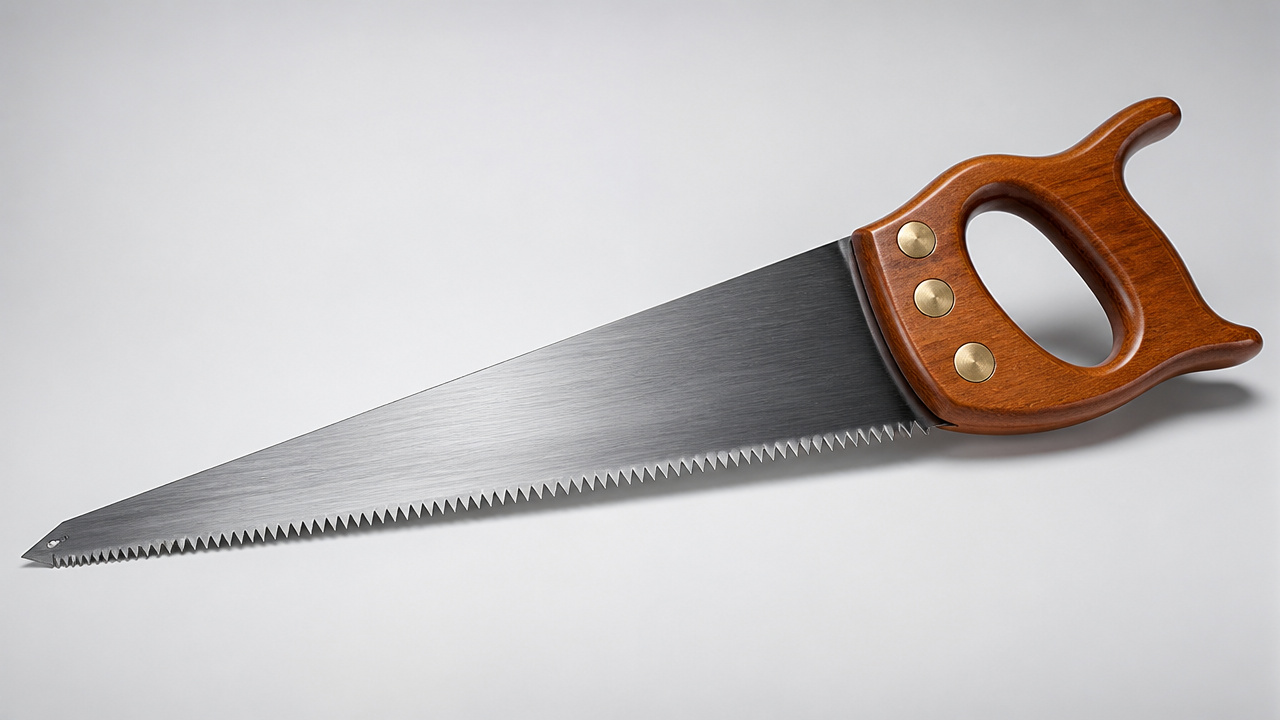
Best Rip Saw Options: Top 7 Picks for Precision Cuts
Splinters fly everywhere and the wood binds against the blade. Your arms strain as the saw drags unevenly through thick grain. Each cut turns into a frustrating wrestle with the material.
The SUIZAN Ryoba 7″ Japanese Pull Saw slices through wood with a sharp, dual-edge blade for smooth ripping and crosscutting. The JORGENSEN Japanese Flush Cut Saw focuses on precise trims with its fine double-edge design.
The Samurai ICHIBAN GC-240-LH features a curved blade that enhances control and steadies longer cuts.
| Image | Name | Editor's Rating | Price |
|---|---|---|---|
|
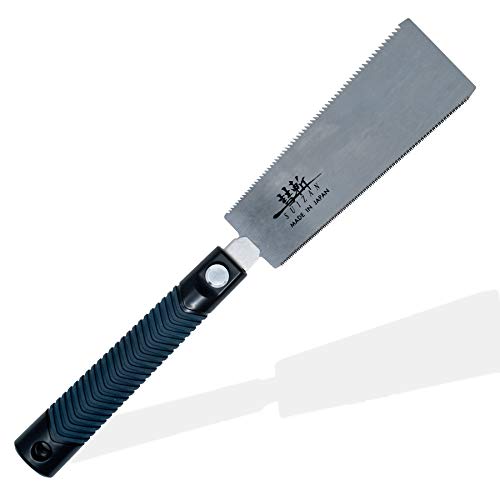
SUIZAN Ryoba Double Edge Saw 7" - Japanese Pullsaw Hand Saws...
|
|
|

|
JORGENSEN Japanese Flush Cut Saw, 5 Inch Pro Double Edge Pul...
|
|
|

|
Samurai ICHIBAN GC-240-LH 9-1/2" (240mm) Curved Hand Saw + C...
|
|
|
|
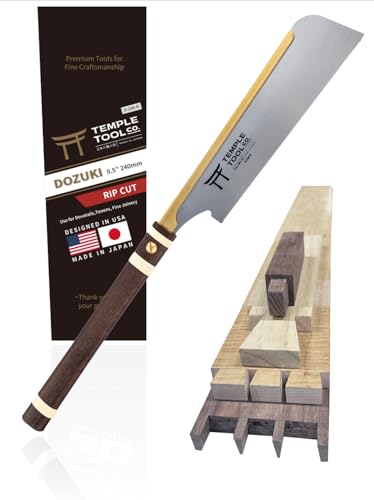
Temple Tool Co. Japanese Pull Saw - Rip-Cut 9.5 - Hand Saw f...
|
|
|
|
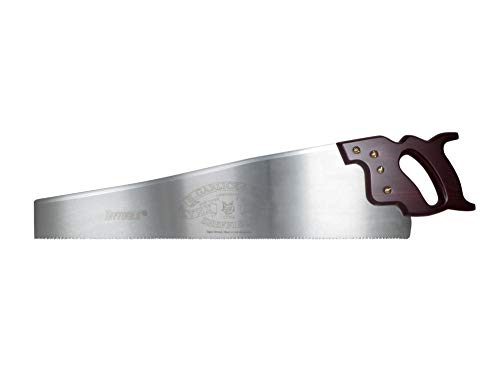
Lynx Garlick Thomas Flinn British 20” Rip Saw with Taper Gro...
|
|
Discover Precision with the Best Rip Saw Options
Mastering clean, accurate wood cuts begins with selecting the right rip saw. Explore unique designs and cutting techniques that set top saws apart in functionality and craftsmanship.
1. SUIZAN Ryoba 7″ Japanese Pull Saw – Precision Rip and Crosscut Hand Saw
- JAPANESE STYLE PULL SAW: This product is a “Pull Saw.” Most people are used to European saws...
- JAPANESE STEEL: All SUIZAN Japanese saws consist of top quality Japanese steel. The high-quality...
- MADE IN JAPAN: All SUIZAN products are manufactured in Japan by Japanese master craftsmen. The whole...
Discover a different cutting experience with the SUIZAN Ryoba 7″ Japanese Pull Saw. Unlike traditional push saws, this tool employs a pull action, making cuts smoother and requiring less effort. You might expect all saws to function the same way; this one flips that assumption by delivering sharper, cleaner edges with less force.
Crafted from authentic Japanese steel, this saw’s blade maintains exceptional sharpness, enabling precise rip and cross cuts through various wood types. Its 7-inch blade balances maneuverability with effective cutting length, suited for detailed woodworking and carpentry projects.
The handle’s elastomer material offers comfortable grip and control, reducing hand fatigue during extended use. Despite its fine blade thickness and kerf width, it remains robust and durable for professional applications without frequent maintenance.
Designed and produced by expert craftsmen in Japan, this saw carries a rich heritage of over a century in tool making, enhancing its reliability and cutting performance. Its dual-edge blade maximizes versatility, allowing users to switch between rip and crosscut effortlessly.
Best for: woodworkers seeking precision and ease in rip and crosscut tasks through traditional Japanese craftsmanship.
What We Like:
- Pull-action design reduces effort and improves cut cleanliness
- High-quality Japanese steel blade stays sharp longer
- Dual-edged for rip and crosscut versatility
- Comfortable elastomer handle enhances grip and control
- Made by experienced Japanese craftsmen ensuring quality and tradition
Specification:
| Specification | User Benefit |
|---|---|
| 7″ Blade Length | Offers precise control while providing enough length for various cuts |
| Japanese Steel Blade | Maintains razor-sharp edges for cleaner, smoother cuts |
| Pull Saw Design | Requires less force and reduces user fatigue compared to push saws |
| 19 Teeth per Inch | Balances speed and smoothness in cutting wood |
| Elastomer Handle | Ensures a comfortable, secure grip for better control |
| Blade Thickness 0.02″ | Allows accurate, narrow kerf cuts reducing wood waste |
| Made in Japan | Reflects traditional craftsmanship and reliable build quality |
2. JORGENSEN Japanese Flush Cut Saw – Precision Double Edge Rip Saw for Hardwood & Softwood
- Geometric Teeth Design: JORGENSEN 5 inch hand saw is designed with three-sided grinding gear, sharp...
- Double Edge Flush Blade: JORGENSEN flush cut saw on one side is 18 TPI for cutting hardwood, such as...
- Precise Cutting: 5 inch Japanese saw blade is the ideal size for precise cutting, enabling easy...
When it comes to achieving clean, precise cuts in wood, many believe any saw will do the job. The reality is that woodworkers often struggle with tools that either dull too quickly or leave rough edges behind. The JORGENSEN Japanese Flush Cut Saw disrupts this expectation with its specially designed geometry and sharpness, tailoring its performance to nuanced woodworking needs.
This 5-inch hand saw stands out with a double edge flush blade, each side crafted with different teeth per inch (TPI). One edge, at 18 TPI, expertly handles dense hardwoods like oak and maple, delivering fast, smooth cuts without scratching the surface. The other, finer side at 25 TPI, is optimized for softer woods such as pine, providing effortless rip cuts without jamming or tear-out.
Durability meets convenience in its flexible SK5 Japanese steel blade, hardened for elasticity and wear resistance. When the blade loosens or dulls, users can easily replace it by loosening a screw—no fussing with complex mechanisms. Its ergonomic handle also offers a soft grip and a non-slip surface, reducing fatigue during extended use and enhancing control whether in one- or two-handed operation.
Designed for both beginners and professional carpenters, this saw isn’t just a tool; it’s a thoughtful extension of your woodworking technique. Its precise cutting capability and ease of maintenance make it a trusted choice for flush trims and fine finish work.
Best for: Woodworkers seeking a versatile, durable rip saw designed for both hardwood and softwood precision cuts.
What We Like:
- Geometric three-sided teeth designed for efficient chip removal and smooth cutting
- Double edge with 18 TPI and 25 TPI tailored to hardwood and softwood cutting needs
- Flexible, easy-to-replace SK5 Japanese steel blade that maintains sharpness and resists wear
- Ergonomic handle provides comfort and reduces hand fatigue during extended work
- Precision flush cuts without surface scratches or blade jamming
Specification:
| Specification | User Benefit |
|---|---|
| 5-inch Blade Length | Allows precise control for detailed flush and finish cuts |
| 18/25 Teeth Per Inch (TPI) | Double-edge design adapts to hardwood and softwood efficiently |
| SK5 Carbon Steel Blade | Offers high durability and flexible performance without breaking |
| Ergonomic Soft Grip Handle | Ensures comfortable grip to minimize hand strain during use |
| Lightweight (121g) | Supports easy one or two-handed operation with reduced fatigue |
| Rectangular Blade Shape | Facilitates flush cutting close to surfaces without damage |
3. Samurai ICHIBAN GC-240-LH 9-1/2″ Curved Hand Saw with Carrying Case
- Made in Japan.
- Including Belt Carrying Case.
- Blade Type: Curved.
Discover the precision of Japanese craftsmanship with the Samurai ICHIBAN GC-240-LH hand saw. Its curved blade design defies the usual flat saw expectations, making it easier to maintain control and execute smooth, accurate cuts every time. This isn’t just another saw; it’s crafted to tackle wood cutting challenges where precision matters most.
The blade, made of high-speed steel, combines durability with sharpness, allowing it to slice through wood cleanly without frequent sharpening. Its 4mm tooth pitch is optimized for ripping, ensuring efficient, aggressive cutting with less effort. The wooden handle feels balanced in your hand, improving grip comfort during extended use.
Portability was clearly considered in the design, as the saw comes with a belt carrying case that keeps the blade protected and your hands free when moving between tasks. Maintenance is straightforward, and the quality materials used help prevent rapid wear and tear.
With a 360-degree cutting angle and precision toothing, this saw excels in tasks that require fine control and a steady hand. Whether you’re a woodworking enthusiast or a professional, the Samurai ICHIBAN stands out for its reliability and performance in rip cuts.
Best for: Woodworkers seeking a durable, precise rip saw for detailed, clean cuts in various woodworking projects.
What We Like:
- Curved blade design enhances cutting control and accuracy
- High-speed steel blade offers long-lasting sharpness and durability
- Comes with a convenient belt carrying case for easy transport
- Optimized tooth pitch for efficient rip cutting on wood surfaces
- Comfortable wooden handle improves grip and reduces fatigue
Specification:
| Specification | User Benefit |
|---|---|
| Blade Length: 270mm (10-1/2″) | Allows precise cuts in medium-sized wood pieces |
| Blade Type: Curved | Improves accuracy and ease of cutting with controlled blade movement |
| Tooth Pitch: 4mm | Designed for fast, efficient ripping of wood with minimal effort |
| Blade Material: High Speed Steel | Retains sharpness longer and resists wear |
| Handle Material: Wood | Provides a sturdy and comfortable grip during extended use |
| Power Source: Hand Saw | Requires no electricity, ideal for use anywhere |
| Included Components: Belt Carrying Case | Makes transporting and storing the saw hassle-free and safe |
4. Temple Tool Co. Japanese Pull Saw – Best Rip Saw for Fine Joinery
- USE FOR DOVETAILS, TENONS, FINE JOINERY: This japanese pull saw has rip teeth at 18 TPI and is...
- PREMIUM HIGH-QUALITY COMPONENTS: Featuring a dark brown solid wood handle made of Wingnut (in the...
- ACCURATE & EFFORTLESS CUTTING: Cuts on the pull stroke which allows for a thin narrow-kerf blade and...
Discover the precision of the Temple Tool Co. Japanese Pull Saw, specially crafted for fine woodworking. Unlike typical push saws, this tool cuts on the pull stroke, allowing effortless control and accuracy. It challenges the usual saw design by combining traditional Japanese sharpness with Western woodworking needs.
The saw’s 18 TPI rip teeth are optimized for cuttings like dovetails, tenons, and other grain-sensitive joinery. Its thin, narrow-kerf blade minimizes material waste and produces clean, crisp cuts. The lightweight feel makes intricate work less tiring, especially during extended projects.
Durability is built into every aspect. The blade, forged from high-grade Japanese steel, holds an edge longer than many competitors’ offerings. Meanwhile, the Wingnut wood handle adds stability and comfort, enhancing grip without sacrificing elegance or balance.
Maintenance remains straightforward. The high-quality steel resists rust and dulling, and the hardwood handle stands up well to years of use. This saw’s compact design and included case protect the blade and make storage simple.
Best for: Woodworkers pursuing precision joinery who value a smooth, sharp rip-cut saw with heritage craftsmanship.
What We Like:
- Effortless cutting on the pull stroke for superior control
- High-grade Japanese steel blade maintains sharpness over time
- Ergonomic Wingnut wood handle provides comfort and balance
- Designed specifically for rip cuts on dovetails and tenons
- Compact, lightweight design reduces fatigue
Specification:
| Specification | User Benefit |
|---|---|
| 18 Teeth Per Inch (TPI) | Enables clean, precise rip cuts along the grain for detailed woodworking |
| Japanese Steel Blade | Offers lasting sharpness and smoothness for consistent cutting |
| Rectangular Blade Shape | Ensures straight, accurate cuts with minimal kerf |
| Wingnut Wood Handle | Provides a balanced and comfortable grip during long use |
| Lightweight Design (0.24 kg) | Reduces user fatigue and increases maneuverability |
| Includes Protective Case | Keeps the saw blade safe and extends tool life during storage |
5. Lynx Garlick Thomas Flinn 20” British Rip Saw with Taper Ground Blade
- This saw is made by Thomas Flinn of Sheffield England the last traditional saw and plane maker in...
- Saw plate is made from Sheffield allow spring steel and taper ground providing a good balance of...
- The saw plate is taper-ground and gets progressively thinner (approx. 0.005 inches) from the teeth...
In the world of woodworking, the difference between a clean rip and a frustrating bind can often be found in the saw plate design. The Lynx Garlick Thomas Flinn British 20” Rip Saw features a taper ground blade expertly crafted to minimize binding, making long rip cuts smoother and more consistent.
Its blade, made from Sheffield alloy spring steel, offers a fine balance between edge durability and sharpening ease. The taper ground design means the blade gets thinner from teeth to back, a subtle feature that dramatically improves cut performance and reduces friction.
The handle is shaped from stained European Beech, combining traditional craftsmanship with ergonomics for solid control and comfort. Brass button screws add both durability and a touch of classic style to the grip.
With 4.5 teeth per inch filed specifically for rip cutting, this saw excels at fast, straight cuts along the grain of wood. While it carries the heft of a professional tool, weighing 1.4 pounds, its well-tuned balance helps maintain accuracy over extended use. Maintenance is straightforward due to the alloy steel’s resilience and the blade’s taper ground profile.
This rip saw stands out for woodworking professionals and enthusiasts who demand precision with every cut but appreciate old-world craftsmanship in design and durability.
Best for: Woodworkers seeking a handcrafted, reliable rip saw for precise straight cuts along wood grain.
What We Like:
- Taper ground blade reduces binding and eases cutting through tough rip tasks
- Durable Sheffield alloy steel blade balances hardness with ease of sharpening
- Stained European Beech handle offers classic style and ergonomic comfort
- 4.5 TPI configuration filed for rip cuts ensures clean and efficient results
- Lightweight design helps maintain control over long cutting sessions
Specification:
| Specification | User Benefit |
|---|---|
| Blade Material | Alloy steel resists wear while allowing straightforward sharpening |
| Blade Length | 20 inches provides reach for large timber and longer cuts |
| Teeth per Inch (TPI) | 4.5 TPI filed for ripping ensures efficient cutting along the grain |
| Taper Ground Blade | Reduces friction and binding during long cuts |
| Handle Material | European Beech is comfortable and durable for extended use |
| Handle Design | Ergonomically shaped with brass screws for secure grip and style |
| Weight | 1.4 pounds balances control and portability for woodworking tasks |
| Cutting Angle | 90 degrees suits straight rip cuts along wood grain |
6. Japanese Ryoba Pull Saw, 7 Inch Dual-Edge Rip and Crosscut Saw for Precision Woodworking

Not all hand saws are built to balance speed with accuracy, especially when handling different cuts on the same tool. This 7-inch Japanese Ryoba pull saw challenges the idea that you need multiple saws for ripping and crosscutting. Its dual-edge blade features 12 TPI for efficient rip cuts and 18 TPI for smooth crosscuts, making work on soft and hardwood more precise and faster.
Unlike typical saws, this tool’s 7-inch blade is crafted from high-toughness SK5 carbon steel, hardened for durability and sharpness that lasts. The design minimizes blade flex and wear during demanding tasks, which means consistent performance across repeated use without frequent sharpening.
Flush cutting without scarring the wood is a challenge for many saws, but this model’s serrations retract inward, protecting the surface edge during flush cuts. The handle, made from sturdy walnut wood, offers a comfortable grip that reduces slippage and enhances control, essential for safe and efficient carpentry.
Portability and protection are addressed with included blade covers that prevent damage and rust between tasks. This saw supports quick blade changes without tools, streamlining workflow and reducing downtime—a rare combination in hand saws.
Best for: Woodworkers and carpenters needing a reliable, versatile saw for detailed rip, crosscut, and flush cuts on various wood types.
What We Like:
- Dual-edge with specialized teeth counts adapts to rip and cross cuts seamlessly
- High-carbon SK5 steel blade ensures sharpness and long-lasting durability
- Inward serrations protect wood surfaces during flush cuts
- Ergonomic walnut handle enhances grip and control
- Comes with protective covers allowing safe storage and transport
Specification:
| Specification | User Benefit |
|---|---|
| Blade Length (7 inch) | Compact size allows for precise control on smaller workpieces |
| 12 TPI Rip Teeth | Efficiently cuts along the grain, speeding rip cuts |
| 18 TPI Crosscut Teeth | Creates smooth cuts across the grain with less tear-out |
| SK5 Carbon Steel Blade | Hardened steel blade resists wear and holds sharpness longer |
| Walnut Wood Handle | Provides secure grip and comfort to reduce hand fatigue |
| Retracted Serrations for Flush Cuts | Prevents scratching when making flush wood cuts |
| Included Protective Covers | Protects blade and user during storage or transport |
| Keyless Blade Change Feature | Allows quick blade swaps without extra tools |
7. KAKURI 10″ Japanese Rip Saw – Precision Woodworking with Tool-Free Blade Swap

- [PREMIUM JAPANESE PULL SAW] Experience the unparalleled craftsmanship of KAKURI’s Japanese...
- [SINGLE-EDGED DESIGN WITH INTERCHANGEABLE BLADES] This high-end pull saw features a single-edged...
- [RIP CUT BLADE] Designed for rip cutting along the wood grain, this blade delivers exceptionally...
Woodworkers often overlook that the quality of their rip saw directly impacts the finesse of their cuts. This KAKURI 10″ Rip Saw challenges that by combining traditional Japanese craftsmanship with modern convenience.
Designed specifically for rip cuts following the grain, this pull saw ensures remarkably smooth, accurate slicing. Its single-edged blade made from high-grade Japanese carbon steel offers a sharpness and durability that few Western saws achieve.
What sets this saw apart is the tool-free blade replacement system, allowing users to switch blades swiftly to fit different materials — no extra tools needed. This flexibility saves time and reduces frustration during intricate woodworking tasks.
The handle, forged from premium Japanese red oak and finished with oil, provides both durability and a comfortable grip, promoting steady control for masterful cuts. Despite its robust build, the saw remains lightweight, easing prolonged use without fatigue.
Maintenance is straightforward, with blades that can be replaced or sharpened easily to preserve peak performance. Its design reflects an understanding of the needs of both seasoned artisans and dedicated woodworking enthusiasts.
Best for: Professional woodworkers and serious hobbyists aiming for precision rip cuts with a reliable, easy-to-maintain Japanese pull saw.
What We Like:
- Effortless tool-free blade replacement adapts to various wood types
- Sharp, long-lasting carbon steel blade crafted for smooth rip cuts
- Ergonomic and durable red oak handle offers excellent grip and control
- Lightweight design minimizes user fatigue during extended projects
- Authentic Japanese craftsmanship trusted by fine furniture and instrument makers
Specification:
| Specification | User Benefit |
|---|---|
| Blade Length: 10 inches | Long blade helps make continuous, precise rip cuts with fewer strokes |
| Blade Material: Japanese carbon steel | Maintains sharpness and durability for cleaner cuts over time |
| Handle Material: Japanese red oak with oil finish | Provides a sturdy, comfortable grip that stays secure during use |
| Blade Thickness: 0.02″ (0.5 mm) | Thin blade reduces kerf for less waste and smoother slicing |
| Kerf Width: 0.03″ (0.75 mm) | A slimmer cut path that preserves material and improves accuracy |
| Number of Teeth: 13 TPI | Efficient teeth count optimized for rip cutting with fine control |
| Blade Shape: Rectangular with single edge | Facilitates precise pull strokes ideal for detailed woodworking |
| Tool-Free Blade Replacement | Enables quick and safe blade swaps without additional equipment |
| Weight: 7 ounces | Lightweight for ease of handling over long woodworking sessions |
Technical Breakdown: Top Rip Saw Models and Their Key Specifications
| Product | Blade Length | Teeth Per Inch (TPI) | Blade Material | Handle Material |
|---|---|---|---|---|
| SUIZAN Japanese Pull Saw | 7″ (180mm) | 19 | Japanese Steel | Elastomer |
| JORGENSEN Double Edge Saw | 5″ | 18 / 25 | Carbon Steel (SK5) | Plastic or Rubber |
| Samurai Curved Hand Saw | 10.5″ (270mm) | 6 | High Speed Steel | Wood |
| Temple Tool Rip-Cut Saw | 9.5″ | 18 | Japanese Steel | Wood (Wingnut) |
| Lynx British Rip Saw | 20″ | 4.5 | Alloy Steel | Beechwood |
| Gnellkoor Ryoba Double Edge Saw | 7″ | 12 / 18 (Rip & Crosscut) | Stainless Steel | Wood |
| KAKURI Rip Cut Pull Saw | 10″ | 7 – 13 | Carbon Steel | Japanese Red Oak |
What Really Makes a Rip Saw the Best Choice for Your Woodworking?

Finding the ideal rip saw is about more than just grabbing the sharpest blade. Each element, from blade design to handle grip, impacts the quality and ease of your rip cuts. Knowing what details to zero in on can save hours of frustration and help you achieve cleaner, straighter cuts consistently.
Blade Length and Its Influence on Cutting Performance
The blade length dictates how much wood you can cut in a single stroke and affects control and maneuverability. A longer blade allows for longer cuts, essential for ripping large boards, while shorter blades offer better precision for intricate joinery.
Rip saws like the Lynx Garlick Thomas Flinn 20” British Rip Saw feature a substantial 20-inch blade, enabling efficient long rip cuts by reducing the number of strokes. Conversely, saws like the JORGENSEN 5” Double Edge Saw provide better handling for tight spaces or detail work due to their compact size.
Ignoring blade length can mean less control or excessive effort. Too short a blade struggles with longer pieces, forcing multiple cuts, while unnecessarily long blades can be unwieldy, increasing fatigue and reducing accuracy.
Teeth Per Inch (TPI) and How It Defines Cut Quality
TPI controls the fineness and speed of cutting. Higher TPI means finer, smoother cuts but slower progress, making them suitable for finish work. Lower TPI cuts faster but may leave rough edges, better for rough ripping.
For example, the SUIZAN Ryoba 7” Japanese Pull Saw with 19 TPI excels in precision cuts, crafting clean edges ideal for fine woodworking. On the other hand, the Lynx British Rip Saw’s 4.5 TPI speeds through thick boards rapidly, though with a coarser finish that usually requires sanding.
Choosing saws with inappropriate TPI for your project leads to either poor-quality cuts that demand extra finishing or slow progress, both eating into your productivity.
Blade Material: Why Steel Choice Matters More Than You Think
The blade material is a key factor that impacts the saw’s sharpness, durability, and how often it needs sharpening. Choosing the right steel can make the difference between smooth cuts and frustrating snagging. High-grade steels hold their edge longer but might be prone to chipping, while softer steels sharpen quickly but wear down faster.
Many quality rip saws use high carbon steel, like the KAKURI 10” Rip Saw, known for staying sharp and handling heavy use. Others, such as the Lynx British Saw, feature alloy steel designed for balanced strength and ease of maintenance. These materials combine toughness with practical longevity for regular workshop tasks.
Ignoring the blade material can result in blades that dull fast and need constant attention, leading to wasted time and extra costs. Investing in the right steel means long-lasting performance and fewer interruptions during your projects.
Handle Design and Material for Comfort and Control
The handle is where you connect with your saw, making grip comfort and control essential for effective use. It impacts how you manage leverage and maintain steady cuts. Choosing the right handle material and shape plays a crucial role, especially during extended work sessions where fatigue can set in.
Wood handles, like those on the Temple Tool Co. Japanese Pull Saw, combine natural warmth with a firm grip. Their ergonomic design and adjustable wingnuts enhance control. On the other hand, elastomer handles, found on models like the SUIZAN Ryoba, provide shock absorption and cushioning that decrease hand strain, allowing longer, more comfortable use without slipping.
Neglecting handle quality risks poor control and heightened hand fatigue, which compromises cutting accuracy. With uncomfortable handles, even the best blade performance falls short, making precise, smooth cuts tougher to achieve over time.
Cutting Action: Pull vs. Push Saw Dynamics
Rip saws traditionally cut on the push stroke, but many Japanese saws cut on the pull stroke, reversing expectations. Pull cutting blades are thinner and sharper since they don’t have to resist the blade bending forces of a push stroke, leading to cleaner, more precise cuts.
The Temple Tool Co. Japanese Pull Saw exemplifies this with its 18 TPI pull teeth optimized for detailed joinery. This design also requires less effort, reducing the risk of inaccurate cuts and strain.
Relying on push cutting saws in situations better suited for pull-action tools can cause tearing or binding, undermining cut quality and increasing effort unnecessarily.
Kerf Width and Its Impact on Material Waste and Cutting Efficiency
Kerf width refers to the thickness of the cut made by the saw blade. A thinner kerf means less wood is removed, producing less waste and requiring less effort per cut. Thicker kerfs can offer more blade stability but at the cost of slower cutting and more material removal.
Japanese-style saws often have narrow kerf blades—as seen in the Temple Tool Co. Japanese Pull Saw—which allow precise, clean cuts ideal for fine joinery without wasting material. Western-style rip saws, such as the Lynx British Rip Saw, typically have wider kerfs, trading off some precision for durability.
Ignoring this factor can result in unnecessary material loss or increased strain on the user during cutting, especially in fine woodworking tasks demanding tight tolerances.
Versatility: Single-Purpose Rip Saw or Dual-Function Tool?
Some rip saws are designed exclusively for ripping, while others combine rip and crosscut blades. Dual-function tools can save space and cost but may sacrifice specialized performance.
The Japanese Ryoba Pull Saw shows how a dual-edge blade with 12 TPI for rip and 18 TPI for crosscuts can handle both tasks effectively. In contrast, a pure rip saw like the KAKURI 10” Rip Saw focuses solely on grain-following cuts with optimized teeth for smooth ripping.
Choosing a less specialized saw compromises cut quality or efficiency in one of the cutting styles and can impact the precision needed in advanced woodworking projects.
Frequently Asked Questions
What makes a rip saw different from other types of saws?
A rip saw is specifically designed to cut wood along the grain, which requires a different tooth geometry compared to crosscut saws. This specialized design allows the saw to efficiently separate wood fibers without tearing or splintering. The teeth are often chisel-shaped and spaced wider apart to clear sawdust effectively during ripping.
For example, the Lynx British Rip Saw features a low TPI of 4.5, optimized for smooth rip cuts on long boards. This contrasts with crosscut teeth that have finer, more numerous teeth to slice across grain.
When choosing a rip saw, always consider the tooth design carefully to match your woodcutting needs and avoid rough edges.
Is a pull saw better than a push saw for ripping wood?
Pull saws operate on the pull stroke, offering more control and cleaner cuts than push saws. The blade stays under tension during cutting, which requires less effort and results in sharper edges. Japanese rip saws like the SUIZAN Ryoba showcase this efficient pull mechanism.
These saws often have thinner, narrower blades, reducing waste. For instance, the Temple Tool Co. Japanese Pull Saw features an 18 TPI rip tooth setup with a thin kerf, perfect for precise joinery.
Practice on scrap wood first, as using pull saws can feel different and helps prevent blade damage or binding.
How important is blade length when selecting a rip saw?
Blade length impacts cutting efficiency and control. Longer blades like the Lynx British 20″ Rip Saw allow longer, smoother rip cuts on large boards, reducing the need for repeated strokes. Shorter blades under 10″ offer enhanced maneuverability and precision, excellent for detailed joinery or smaller stock.
The Samurai ICHIBAN’s curved 9.5″ blade balances control and reach, helping maintain a straight cut line without fatigue. Conversely, a 5″ blade like the JORGENSEN Flush Cut Saw is optimal for flush-cutting tasks rather than full rips.
Choose a blade length matching your typical project size: long for panel ripping, shorter for fine woodworking or flush cuts.
What does Teeth Per Inch (TPI) indicate for rip saws?
TPI reflects how many teeth appear per inch of blade and affects cut speed and finish quality. Rip saws often have lower TPI (around 4 to 13) to rapidly remove material without clogging. A higher TPI blade creates a smoother cut but slows down ripping.
The Japanese Ryoba pull saws typically feature dual edges with different TPI counts—such as 12 TPI for ripping and 18 for crosscutting—providing versatility. British-style rip saws like the Lynx use a low 4.5 TPI for aggressive ripping on soft or hardwood.
For efficient ripping, avoid blades with TPI that’s too fine, as they’ll bog down in dense wood and cause premature wear.
How do blade materials affect the performance of rip saws?
Blade material influences sharpness retention, durability, and ease of sharpening. High-quality Japanese and carbon steels, like SK5 used in the JORGENSEN and KAKURI saws, offer excellent sharpness with a good balance of hardness and flexibility.
For instance, the Samurai ICHIBAN uses high-speed steel which resists dulling under heavy use, useful when working with harder woods. Stainless steel variants provide corrosion resistance but may require more frequent sharpening.
Keep blades clean and sharpened, as even premium materials lose cutting ability if dull or clogged with resin and sawdust.
Finding the Ideal Rip Saw for Your Woodworking Needs
Selecting the right rip saw can dramatically improve your woodworking projects by providing cleaner cuts and enhancing control. The right tool reduces tear-out and speeds up your workflow, making timber preparation more precise and efficient. This change elevates overall craftsmanship, especially when working with long grain cuts.
For heavy-duty tasks, robust Western-style saws excel by tackling large beams, whereas Japanese pull saws deliver finesse for intricate joinery. Those needing versatility might prefer Ryoba saws, which offer both rip and crosscut edges. Choosing a saw that aligns with your typical project scale ensures better performance and comfort.
Consider your material and project demands carefully before selecting your rip saw. Regular maintenance and proper technique are essential for extending the blade’s lifespan. Avoid improper use, such as forcing the saw or neglecting sharpness, to ensure consistent results and tool durability.
Last update on 2026-09-28 / Affiliate links / Images from Amazon Product Advertising API


