

Best Glue for Polyethylene: Top 3 Adhesives That Really Stick
Parts refuse to stick no matter how clean or dry you make them. That slick, slippery surface ruins every bonding attempt. Hours go by, and you’re still waiting for glue to dry with nothing to show for it.
Viomis Plastic Instant Glue cures in 30 seconds, locking pieces with a strong, waterproof hold. Loctite Plastics Bonding uses a two-step activator for quick, clear, and lasting adhesion.
Permabond Pop Primer boosts cyanoacrylate glue’s grip on tough polyethylene surfaces.
| Image | Name | Editor's Rating | Price |
|---|---|---|---|

|
30g Plastic Glue, Instant Super Glue for Plastic
|
|
|
|
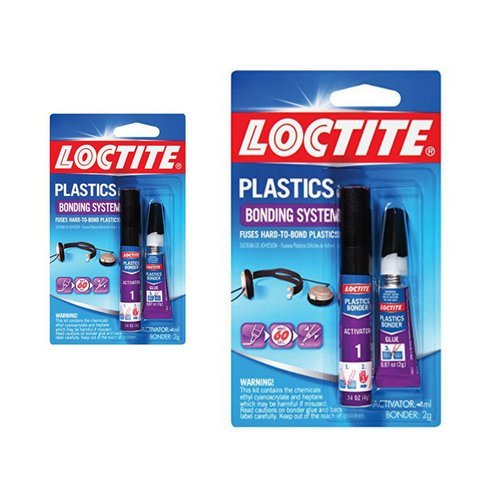
Loctite Super Glue Plastics Bonding System with Activator 2-...
|
|
|
|
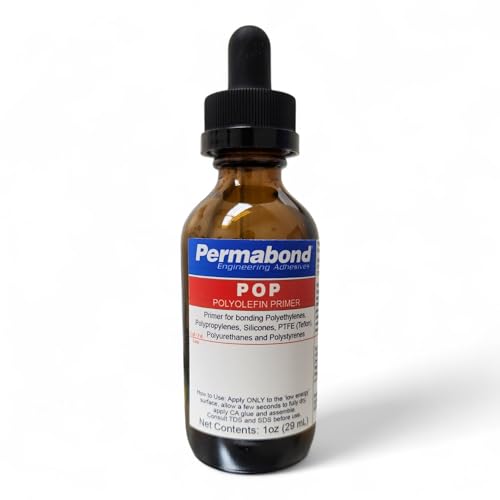
Permabond Pop CA Glue Primer for Polyolefins, PTFE, Polyethy...
|
|
Discovering the Best Glue for Polyethylene Bonding Success
Achieving a strong bond on polyethylene requires specialized glues that overcome its low surface energy. Explore innovative products designed to deliver fast, reliable adhesion for this tricky plastic.
1. Viomis 30g Instant Plastic Glue – Fast-Drying Strong Adhesive for Polyethylene and More
- Lightning-Fast Drying: Introducing our Premium 30g Plastic Glue - With our advanced formula, our...
- Lasting Performance: Achieve the perfect bond that stands the test of time. Within 24 hours of...
- Flawless Results: Say goodbye to unsightly white marks! Our plastic glue is specially designed not...
Struggling to find an adhesive that truly grips polyethylene? Most traditional glues fail to bond this slippery plastic without leaving messy residue or taking forever to set. That’s where this plastic glue steps in, drying in just 15 seconds and delivering a robust hold where others struggle.
Designed to bond a vast range of plastics including acrylic, PVC, and nylon, this formula excels at handling polyethylene’s tough surface. It creates an unyielding connection within 24 hours, yet the glue won’t turn white or obscure your work’s finish—a detail many overlook.
What sets this adhesive apart is its resilience. It maintains strength against temperature swings, from freezing cold to scorching heat, making it a versatile choice for craft projects, repairs, or model building. Plus, its low-odor composition and easy cleanup mean you spend less time fussing and more time creating.
While it spreads with low to medium viscosity, allowing precise application, it dries quickly without compromising the bond’s integrity. The glue also resists water effectively, so the bond won’t falter when exposed to moisture. This is a key benefit if your polyethylene items need to endure humid or wet environments.
Best for: Crafters and DIY enthusiasts needing a fast, strong adhesive solution that can tackle polyethylene and other challenging plastics.
What We Like:
- Dries rapidly in 15 seconds, speeding up project completion
- Strong, durable bond that withstands temperature extremes
- Clear finish with no whitening for professional-looking results
- Low odor and easy to clean excess after curing
- Water-resistant bond suitable for indoor and outdoor use
Specification:
| Specification | User Benefit |
|---|---|
| Drying Time | Sets in 15 seconds to speed through repairs and builds |
| Compatibility | Bonds polyethylene and multiple plastics, plus materials like wood and metal |
| Water Resistance | Ensures bond holds firm in damp or wet conditions |
| Viscosity Level | Low to medium flow allows exact application without dripping |
| Odor Level | Low odor for comfortable use in indoor spaces |
| Durability | Strong bond endures temperature swings and daily wear |
2. Loctite Super Glue Plastics Bonding System – Reliable Adhesion for Polyethylene
When working with polyethylene, most adhesives fall short because this plastic repels many glues. But the Loctite Super Glue Plastics Bonding System changes the game by combining a specialized activator with a low-viscosity adhesive liquid.
This two-pack is designed to tackle the toughest plastic repairs, bonding efficiently within just a minute. Instead of waiting hours, you get a fast and water-resistant seal that dries clear, maintaining a clean look on nearly invisible joins.
Because polyethylene is notoriously difficult to bond, this system’s activator primes the plastic surface, ensuring the glue grips where others would slip. It’s a tailored solution rather than a one-size-fits-all approach often assumed sufficient.
Compact bottles provide precise application control, making it easy to work on small areas without mess. The bond holds up well against water exposure, a common challenge for polyethylene projects left outdoors or in damp conditions.
While powerful, the system suits repair tasks rather than heavy structural loads, so understanding its best use ensures you get solid, lasting results where they matter most.
Best for: Those needing a reliable, quick-drying adhesive solution specifically for polyethylene and similar plastics.
What We Like:
- Includes activator to prepare tough plastics for bonding.
- Dries clear, preserving the appearance of plastic surfaces.
- Full cure achieved in about one minute for fast repairs.
- Water-resistant bond holds up in moist environments.
- Low-viscosity formula allows precise application without run-off.
Specification:
| Specification | User Benefit |
|---|---|
| Specific Uses For Product | Tailored for plastic repairs including polyethylene surfaces. |
| Item Form | Liquid structure helps fill gaps and bond uneven surfaces. |
| Other Special Features | Dries clear to keep repairs discreet and clean-looking. |
| Container Type | Bottle allows controlled, precise glue application. |
| Full Cure Time | Bond sets quickly in just one minute, speeding up repairs. |
| Water Resistance Level | Adhesive withstands moisture, suitable for damp or outdoor use. |
| Viscosity Level | Low viscosity ensures smooth, easy application without excess. |
| Compatible Material | Effectively bonds plastics, especially polyethylene and polypropylene. |
| Item Package Quantity | Two bottles provide enough product for multiple repairs. |
| Volume | Small volume offers precise use, minimizing waste. |
| Brand Name | Loctite is a trusted name in industrial adhesives for plastics. |
| Model | Specific product model ensures consistent quality and performance. |
| Unit Count | Two items included give the full bonding system for convenience. |
| Material Type | Formulated to work with polyethylene and polypropylene plastics. |
| Color | Clear adhesive avoids unwanted discoloration on plastic repairs. |
3. Permabond Pop CA Glue Primer for Polyethylene and Polyolefins, 1oz
- VERSATILE COMPATIBILITY: Enhances adhesion to polyolefins, PTFE, silicones, and various plastics...
- SURFACE PREPARATION: Specially formulated primer that treats low surface energy materials prior to...
- EASY APPLICATION: Can be applied through multiple methods including spray, wipe, or brush...
It’s a common misconception that all glues bond well with polyethylene, but many simply fail to create a lasting hold on this challenging plastic. The key isn’t just the adhesive itself, but the preparation of the surface.
Permabond Pop CA Glue Primer is designed specifically to tackle low-surface-energy materials like polyethylene and polypropylene. This primer modifies the surface, making it receptive to cyanoacrylate adhesives, which otherwise might struggle to stick properly.
The primer’s clear, solvent-based formula won’t affect the look of your finished project. Application is straightforward — whether you choose to spray, wipe, or brush it on, it adapts to your workflow. This versatility ensures consistent coverage and reliable activation of adhesion.
Paired with Permabond’s cyanoacrylate adhesives, this primer fosters bonds that are often stronger than the substrate itself. It expands possibilities for fixing, assembling, or repairing polyethylene parts without resorting to mechanical fasteners.
Maintaining bonded items is simple since the primer doesn’t add bulk or visible layers. However, it requires careful application to clean, dry surfaces for maximum effectiveness and durability over time.
Best for: Professionals and hobbyists needing effective adhesion solutions for polyethylene and other difficult plastics.
What We Like:
- Enhances adhesion on low-energy plastics like polyethylene and PTFE.
- Clear formula keeps the bonded surface looking natural.
- Multiple application methods for convenience and precision.
- Develops bonds stronger than the plastic when combined with cyanoacrylate adhesives.
Specification:
| Specification | User Benefit |
|---|---|
| Item Form | Liquid spray for uniform and controlled application over surfaces |
| Viscosity Level | Medium to high, allowing easy spreading without running off |
| Compatible Materials | Works with polyethylene, polypropylene, PTFE, and silicones to broaden usability |
| Container Type | 1oz bottle, suitable for manageable storage and application |
| Color | Clear, ensuring the primer does not discolor bonded materials |
Key Specs Compared: Top Glue for Polyethylene Technical Breakdown
| Product Name | Application Form | Full Cure Time | Compatible Material | Special Features |
|---|---|---|---|---|
| Viomis Plastic Instant Glue | Liquid | 30 seconds | Plastic, Acrylic, PVC, Nylon, Metal, Silicone | Lightning-fast drying, Waterproof, No whitening |
| Loctite Plastics Bonding | Liquid | 1 minute | Polyethylene, Polypropylene, Plastic | Dries clear, Water resistant |
| Permabond Pop Primer | Liquid, Spray | Not Specified | Polyolefins, PTFE, Polyethylene, HDPE, Silicones | Enhances adhesion, Clear formula |
Choosing the Best Glue for Polyethylene: What Really Matters?
Securing a strong bond on polyethylene can feel like chasing a ghost. Its slick, low-energy surface resists many adhesives, leaving you with weak joints or messy attempts. Pinpointing the right glue hinges on several subtle but critical factors.
Adhesive Compatibility with Polyethylene
Polyethylene’s chemical structure creates a low surface energy that naturally repels many common glues. This makes compatibility the starting point for any successful bond. Without an adhesive specifically formulated or proven to work on polyethylene, the glue simply won’t grip effectively.
Products like Loctite Plastics Bonding System and the Viomis Instant Plastic Glue feature adhesives tailored to match polyethylene’s unique surface chemistry. They often use specialized activators or modified cyanoacrylates that can interlock with polyethylene molecules rather than sitting on top.
Overlooking compatibility means wasting time and materials, as standard glues can fail immediately or degrade under stress. The bond won’t hold, especially with repeated use or environmental exposure, leading to frustrating and costly rework.
Drying and Cure Time
How fast the glue sets and fully cures is pivotal when you need reliable results without extended waits. Polyethylene adhesives vary significantly—from near-instant tack to multiple hours before reaching full strength.
The Viomis glue promises a dry time as fast as 15 seconds and full cure under a minute, while the Loctite system cures in about a minute. Rapid curing usually involves fast-evaporating solvents or instant-bond cyanoacrylates that lock the bond before contamination or movement can break the seal.
Ignoring cure time can risk premature handling of parts, leading to weakened joints or incomplete adhesion. Slow-setting adhesives can also trap moisture or dust, which inhibits adhesion and reduces the longevity of the bond.
Surface Preparation Requirements
Even the best glue can’t perform well on polyethylene unless the surface gets proper prep. Adhesion depends on available surface area and chemical reactivity, which polyethylene inherently lacks. Primers or surface treatments significantly enhance glue performance.
The Permabond Pop CA Glue Primer shines in this arena—its formula chemically alters polyethylene’s surface to boost bonding potential of cyanoacrylates and other adhesives. It typically comes as a liquid or spray, applied before the glue for optimized grip.
Skipping preparation usually causes immediate or eventual bond failure, especially under mechanical strain or temperature changes. Without an adhesion promoter, the glue may peel off or fail to properly penetrate the plastic surface.
Water Resistance and Environmental Durability
Water resistance and environmental durability are critical for polyethylene glue applications. These factors ensure the bond can withstand constant exposure to moisture, temperature swings, and physical wear without losing strength. Choosing a glue with strong resistance protects your project from early failure.
Many adhesives, like Loctite’s Plastics Bonding System and Viomis Instant Glue, feature specially designed formulas that block moisture and resist fogging or whitening. This means the glue maintains a clear, robust bond even in wet or outdoor settings, preventing weakening caused by water infiltration and environmental stress.
Overlooking water resistance often leads to bonds that break down quickly due to swelling, freezing, or repeated wetting. Such failures can cause safety concerns or force costly, time-consuming repairs, making durability a must-have factor for lasting polyethylene adhesion.
Viscosity and Application Form
The physical form and thickness of the adhesive influence ease of use and bond quality on polyethylene’s smooth surfaces. Viscosity determines how well the glue spreads or fills gaps without dripping or pooling.
The Viomis and Loctite products are liquid adhesives with low viscosity, allowing them to wick into cracks and adhere evenly. Conversely, products with high viscosity may struggle with even coverage or require extra effort, which can lead to uneven bonding and weak spots.
Neglecting the right viscosity often leads to messy applications, glued parts misalignment, or wasted product. A mismatch here can cause insufficient contact area for a reliable bond or create stresses that aid delamination.
Bond Strength and Load Capacity
The ultimate test of any glue for polyethylene is how much stress the joint can endure without failure. This involves shear strength, peel resistance, and flexibility of the cured adhesive film.
Strong adhesives like Loctite and Viomis provide robust mechanical strength by chemically bonding and physically locking to the polyethylene surface. The strength data often reflect the glue’s ability to handle dynamic or static loads relevant to specific projects.
Ignoring bond strength can lead to catastrophic detachment under stress, which is especially problematic in functional or load-bearing assemblies. Choosing a weaker adhesive might work temporarily but risks rapid breakdown in real-world conditions.
Frequently Asked Questions
What makes polyethylene so difficult to bond with glue?
Polyethylene has a low surface energy, which causes most adhesives to bead up rather than spread and stick. This slippery nature means conventional glues often fail to create a strong bond on polyethylene surfaces.
For example, standard super glues dry quickly but don’t adhere well without surface treatment or primers designed for polyethylene.
To improve adhesion, prepping the surface with a primer or light abrasion can increase the glue’s grip significantly.
Is primer always necessary when gluing polyethylene?
Applying a primer is important for polyethylene since it changes the surface to accept adhesives better. This boost in surface energy helps create a much stronger bond, especially with cyanoacrylate glues.
For example, Permabond Pop CA Glue Primer is designed to treat polyethylene surfaces and allows super glues to stick reliably where they normally might not.
Always clean the polyethylene surface thoroughly before priming to avoid reducing the primer’s effectiveness.
Which glue works fastest to bond polyethylene?
Instant plastic glues such as Viomis 30g cure in around 30 seconds, providing one of the quickest bonding solutions for polyethylene. This makes them perfect for jobs needing speedy results.
These adhesives form strong, waterproof bonds without leaving white residue, which is great for clean, quick fixes on plastic surfaces. Their rapid setting reduces waiting time substantially.
Be cautious during application because these glues offer very little repositioning time. It’s best to clamp parts quickly to ensure a secure bond.
Can I expect a waterproof bond from polyethylene adhesives?
Specialized adhesives like Viomis and Loctite’s plastic bonding system create a water-resistant bond when fully cured. This helps protect joints against moisture damage effectively.
They work well for projects that face rain or humidity, keeping integrity without breaking down. However, not all polyethylene glues are designed for waterproof results.
Double-check product labels for waterproof ratings to ensure durability in wet conditions. Avoid relying on ordinary glues for outdoor use.
Are there safety concerns when using super glues on polyethylene?
Super glues designed for polyethylene often release strong fumes and bond skin instantly, making proper ventilation and wearing gloves essential. These adhesives cure very quickly, increasing the risk of accidental skin adhesion.
For example, even brief contact can lead to fingers sticking together, which is painful and hard to fix. Take care when applying near skin to avoid these issues.
Always read manufacturer safety guidelines and store glues out of reach of children to minimize risks.
Optimizing Adhesion for Polyethylene Surfaces
Polyethylene’s resistant surface often challenges effective bonding, but selecting the right adhesive can create durable and reliable joints that withstand everyday stress. This choice eliminates common problems like peeling and weak adhesion, enhancing the overall quality of your projects.
For quick fixes or versatile uses, fast-curing glues offer convenience, whereas waterproof two-part adhesives serve those requiring clear, resilient seals. Applying a plastic primer is essential when dealing with untreated polyethylene to maximize adhesive strength.
Ensure surfaces are meticulously cleaned before bonding, and allow sufficient curing time without disturbance. Maintaining these precautions helps achieve a strong and lasting bond that performs well under various conditions.
Last update on 2026-09-23 / Affiliate links / Images from Amazon Product Advertising API


