Best Finish Over Shellac: Top 3 Products for Stunning Results
That sticky, rough feeling right after applying shellac can be maddening. A finish that gums up your project or yellows too fast kills the whole vibe. The wrong topcoat can soften, peel, or cloud the wood beneath, turning hours of effort into a dull mess.
Waterlox Original Sealer and Finish seeps into wood, creating a durable satin barrier that resists moisture elegantly. Minwax Clear Sanding Sealer locks grain in place with a quick-drying, smooth base that speeds finishing. The battle is between deep-penetrating protection and speedy surface prep.
Dixie Belle Polyacrylic adds a tough, clear, semi-gloss shield ideal for high-traffic or sunlight exposure. It safeguards without yellowing, filling the gap when sheer durability and appearance matter most.
Discover Durable and Clear Finishes Perfect Over Shellac
Enhancing shellac with the right finish ensures durability and a stunning look. Explore coatings that protect wood surfaces while complementing shellac’s unique qualities.
1. Waterlox Original Sealer and Finish Quart – Durable Penetrating Satin Coating for Wood
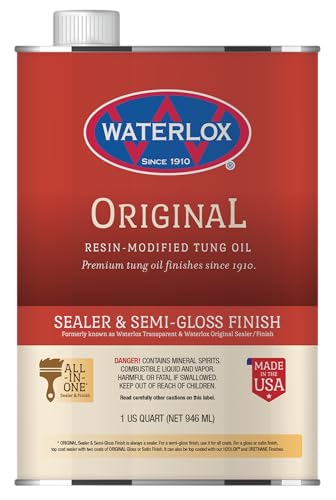
- Penetrates and waterproofs when used as a finishing system in multiple coats on it’s own or in...
- Produces a medium sheen appearance (75° gloss level when finished; fades to a 50-55° gloss level...
- Forms a protective yet elastic finish against common household spills, moisture and foot traffic
Applying a stable yet flexible layer to wood can make all the difference in preserving and enhancing its natural beauty. Waterlox Original Sealer and Finish seeps deeply into surfaces, creating a waterproof barrier that resists common household moisture and spills. Its medium sheen starts with a 75° gloss but matures to a subtle satin finish, offering an elegant look that evolves with time.
Many believe one product can’t serve multiple finishing purposes, but Waterlox defies that by functioning equally well as both a sealer and a final protective coat. Whether you choose to use several coats of this versatile formula alone or pair it with Waterlox’s Satin or High Gloss finishes, it adapts to deliver consistent adhesion and durability.
A finish must protect against foot traffic without cracking or peeling, and this formulation’s elasticity answers that call for interiors and exteriors alike. Thanks to its wood-penetrating, water-based composition, it provides long-lasting protection while maintaining the surface’s natural feel.
Dating back over a century, Waterlox is not just a product; it’s a trusted method to secure and beautify wood and porous materials like slate, brick, and tile. It covers substantial areas efficiently, making it suitable for projects where both performance and aesthetics count.
Best for: Woodworking enthusiasts and pros seeking a steadfast, adaptable finish that withstands moisture and everyday wear without sacrificing appearance.
Pros:
- Penetrates deeply to waterproof and protect
- Medium satin sheen that ages gracefully
- Elastic finish resists cracking from traffic and spills
- Effective on various porous surfaces, including stone and tile
- Proven reliable formula since 1910
Cons:
- Sheen may soften over several months, requiring touch-ups for shine retention
- Water-based composition might need multiple coats for heavy-use areas
2. Minwax 1 Qt Clear Sanding Sealer Water-Based for Smooth Wood Finishing Preparation
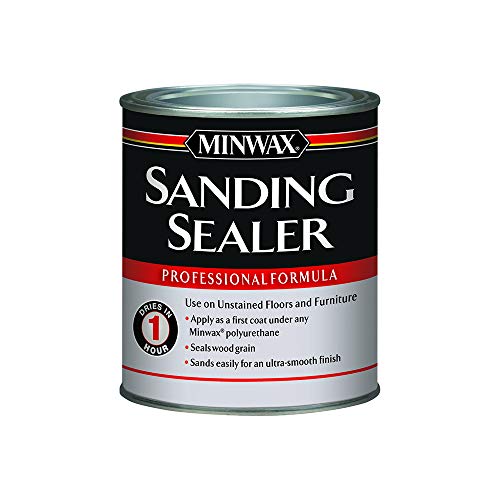
- CLEAR SANDING SEALER – Minwax Professional Formula Sanding Sealer is a clear sealer formulated for...
- QUICK DRY – With a quick dry feature, this clear wood sealer allows for sealing and top coating in...
- VERSATILE FORMULA – It is quick and easy to use this wood sanding sealer on unstained bare wood...

Preparing bare wood properly before applying a finish is often overlooked, yet it determines the final look and durability. Minwax’s clear sanding sealer locks in the wood grain and creates a sealed surface that’s remarkably easy to smooth out. This results in a flawless base that speeds up your finishing process.
Allowing recoat in just one hour means you can complete a sealing and topcoating project within a single day. Whether working on furniture, cabinets, or doors, its quick drying time reduces downtime and intrusion on your workflow. The water-based formula cleans easily without harsh solvents, keeping your workspace more pleasant.
Designed to work seamlessly under any Minwax oil or water-based polyurethane, this sealer ensures compatibility with your preferred topcoat. Covering 500 square feet per gallon, it offers efficient usage for both small and larger projects. The brand’s long-standing reputation since 1904 reflects its consistent quality in wood care.
Minwax’s clear sanding sealer supports a refined finish by preventing the topcoat from soaking unevenly and eliminates the struggle of sanding bare wood to perfection. Its compact design and manageable quart size make it convenient for hobbyists and pros alike.
Best for: Woodworkers and finishers aiming to enhance surface smoothness and reduce finishing time on bare wood surfaces.
Pros:
- Dries rapidly, ready to recoat in 1 hour
- Seals wood grain for an even finish
- Compatible with water and oil-based topcoats
- Cleans up with water, no harsh chemicals
- High coverage of 500 sq. ft. per gallon
Cons:
- May require multiple coats for very porous wood
3. Dixie Belle Durable Polyacrylic Topcoat – Clear, Non-Yellowing Semi-Gloss Finish for Cabinets & Furniture
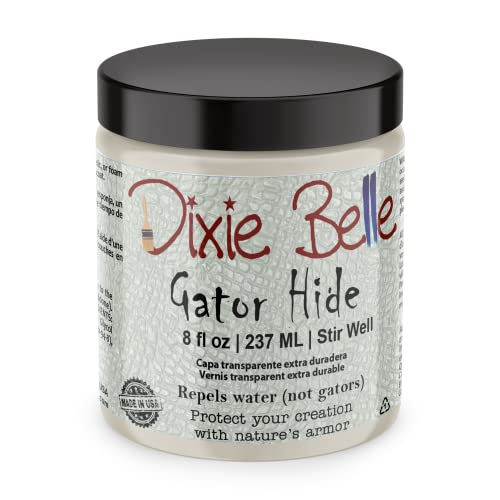
- TOUGHEST TOPCOAT � As the name implies, this polyacrylic topcoat is tough as Gator�s Hide. Add...
- NON-YELLOWING � This paint is non-yellowing and toughness that is perfect for your high traffic...
- SUPERIOR FINISH � Gator Hide is a rock-hard semi-shine finish that will leave your projects...
Applying a protective finish that stays clear and tough over delicate surfaces can be a challenge, especially when moisture and UV exposure are factors. The Dixie Belle polyacrylic topcoat offers an impressively strong shield, designed to endure high traffic and environmental stress without yellowing.
Ideal for furniture, cabinets, and an array of DIY projects, this water-based formula forms a rock-hard semi-gloss coat that preserves your work’s appearance while blocking moisture and light scuffs. You can safely use it on wood, metal, laminate, and glass, making it versatile for many restoration tasks.
Dixie Belle has engineered this clear coat for easy application in thin, controlled layers that build long-term protection. It fully cures in 48 hours, allowing safe cleaning with mild soap and water. The non-yellowing finish ensures your colors stay true, even under UV exposure.
Because durability is key, applying multiple thin coats using a fine sanding process between layers enhances adhesion and finish resilience. The brand’s family-owned background emphasizes quality crafted in the USA from globally sourced materials.
Best for: Craftspeople requiring a durable, moisture-resistant protective finish that maintains clarity over time on frequently handled or exposed surfaces.
Pros:
- Non-yellowing formula ideal for maintaining color integrity
- Highly resistant to UV rays and moisture damage
- Suitable for multiple surfaces including wood, metal, and glass
- Produces a semi-gloss, rock-hard finish that repels scuffs
- Water-based, easy cleanup and low odor
Cons:
- May require several thin coats and careful sanding for best protection
Key Specs Compared: Top Products For Best Finish Over Shellac
| Product Name | Material Type | Coverage | Finish Type | Dry/Cure Time |
|---|---|---|---|---|
| Waterlox Original Sealer Finish | Wood Based | 125 sq. ft. per coat | Satin (75° gloss level) | Not Specified |
| Minwax Clear Sanding Sealer | Water Based | Covers 500 sq. ft. per gallon | Brushed | Dries in 1 hour |
| Dixie Belle Gator Hide Polyacrylic | Water Based | 30 sq. ft. per 8 oz | Semi-Gloss | Full cure in 48 hours |
What Makes the Best Finish Over Shellac Truly Stand Out?
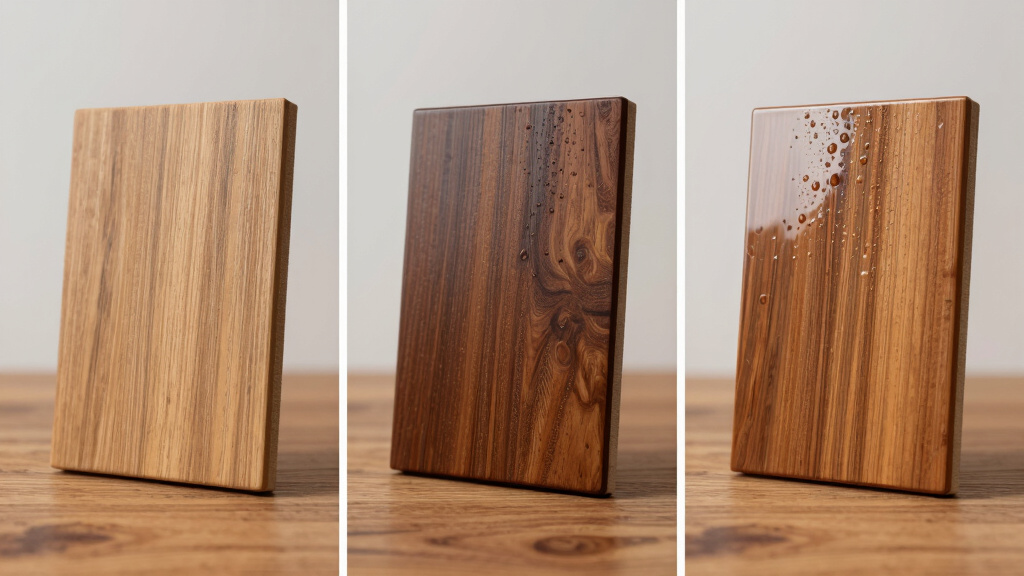
Picking a finish to apply over shellac isn’t just about slapping on a topcoat. Each option brings its own blend of durability, appearance, and compatibility, making the choice tougher than it looks at first glance. Knowing which factors really matter can save your project from peeling, yellowing, or disappointingly dull surfaces.
Compatibility with Shellac
Compatibility with shellac is critical because not every finish bonds well with shellac’s delicate, alcohol-based nature. A finish that dissolves or mixes with the shellac underneath will ruin the smoothness and lead to blemishes.
Water-based finishes, like Minwax’s clear sanding sealer and Dixie Belle polyacrylic, generally sit well atop shellac because they don’t contain solvents aggressive enough to break it down. Conversely, solvent-based finishes may interact negatively, causing lifting or streaking. The shellac layer requires a finish that adheres gently yet firmly without solvent agitation.
If you ignore compatibility, your result could be a peeling or sticky topcoat that ruins the protective qualities and the look of the shellac beneath. This means more sanding and starting over, wasting both time and material.
Durability and Wear Resistance
The durability of the finish matters because shellac on its own is fragile, prone to scratching and water damage. The protective top layer must enhance toughness, resisting daily wear and moisture.
Waterlox’s original sealer and finish is prized for penetrating deeply and creating a flexible, waterproof satin barrier that withstands household spills and moisture. Dixie Belle’s polyacrylic topcoat forms a rock-hard shield that stands up to UV exposure and traffic, while Minwax sanding sealer focuses on smoothing rather than extreme durability.
Choosing a finish with too little resistance leads to premature wear and damages, requiring refinishing much sooner and damaging the wood underneath. Proper durable finishes preserve the investment made in the shellac and wood preparation.
Drying and Curing Time
Drying and curing time is a make-or-break factor for project pacing and quality. Finishes that dry too slowly leave your project vulnerable to dust and dirt, while those that dry too fast can trap moisture and cause streaking.
Minwax’s water-based sanding sealer dries to touch in under 1 hour, allowing for same-day recoating and faster project completion. Dixie Belle’s finish cures fully in 48 hours, providing robust protection but requiring longer care. Waterlox doesn’t specify exact drying times, indicating variable curing depending on conditions but generally slower than water-based options.
Neglecting drying considerations risks smudges, fingerprints, or blistering finishes, undermining the look and feel of your work. Time management here is key to a professional result.
Finish Sheen and Appearance
The sheen level affects the visual appeal and often the perceived texture of your final surface. A finish over shellac should maintain or enhance the beautiful, warm glow shellac imparts, without unwanted cloudiness or yellowing.
Waterlox’s satin finish starts around 75° gloss and matures with age, keeping a subtle elegance. Dixie Belle offers a clear, semi-gloss look that resists yellowing and is great for a more vibrant shine. Minwax aims for a brushed surface, focusing on preparing the wood, which may require topcoats for final sheen.
Ignoring sheen preferences can clash with your shellac’s look, resulting in finishes that look dull, chalky, or overly plastic. Matching the desired aesthetic is essential for an authentic wood feel.
Coverage and Product Efficiency
Coverage impacts cost-effectiveness and how many coats you’ll need. A product with poor coverage means more frequent applications, higher costs, and more waiting time.
Minwax covers about 500 sq. ft. per gallon, providing broad coverage with quick application cycles. Waterlox covers roughly 125 sq. ft. per quart, concentrating on depth and durability rather than spread, while Dixie Belle covers around 30 sq. ft. per 8 oz. emphasizing thick, protective layering.
Overlooking coverage can lead to running out of finish mid-project or building up too many layers that dull the shellac’s vibrancy. Balancing coverage with your project size ensures smooth, uninterrupted workflow.
Ease of Application and Recoatability
Ease of application is essential for consistent results, impacting how the finish interacts with shellac and whether you can recoat smoothly without sanding or waiting excessively.
Minwax highlights a 1 hour recoat window which means you can sand lightly and build multiple coats quickly. Waterlox, while penetrative and sealing, requires patience and careful multiple coats for best results. Dixie Belle’s strong finish demands precise application to avoid thick spots and long cure times.
Failing to consider application ease can lead to uneven finishes, drips, or trapped bubbles that mar the finish’s visual quality, turning a simple finishing job into a frustrating ordeal.
Non-Yellowing Properties
Non-yellowing properties are crucial when applying over shellac because shellac itself can amber over time. A finish that remains clear ensures the natural color balance of the wood and shellac stays true.
Dixie Belle polyacrylic is formulated to resist yellowing even under UV exposure, maintaining clarity on furniture and cabinets. Waterlox’s finish converts to a subtle satin tone that won’t aggressively yellow but may deepen slightly with age. Minwax’s water-based sealer is designed to be clear but focuses more on sealing than UV resistance.
Ignoring this factor can result in finishes that turn acidic yellow or dull, shifting your wood’s color palette undesirably and possibly forcing premature refinishing.
Frequently Asked Questions
Can I apply polyurethane directly over shellac?
Polyurethane will adhere to shellac but can cause issues such as wrinkling or lifting if the shellac isn’t fully dry or properly cured. Shellac’s alcohol base reacts with some polyurethanes, so careful surface preparation is essential.
Using a dewaxed shellac and ensuring it cures for at least 24 hours reduces compatibility problems. Testing a small area first can help avoid surprises.
Pro tip: Lightly sanding the shellac surface before applying polyurethane improves adhesion and reduces the risk of peeling.
Which finish offers the best durability over shellac for furniture?
Waterlox Original Sealer and Finish stands out for its superior durability over shellac. Its penetrating satin layer effectively resists moisture and wear, outperforming many poly finishes. This creates a protective yet flexible surface that holds up well on furniture.
The wood-based formula covers about 125 sq. ft. per coat and develops a subtle satin sheen that beautifully highlights the wood grain. This finish balances toughness with aesthetics, making it ideal for furniture.
For best results on pieces that get heavy use, apply several coats to boost protection and maintain the finish’s longevity.
Is it necessary to seal shellac before applying a topcoat?
Sealing shellac with a product like Minwax Clear Sanding Sealer is often redundant because shellac itself is a sealing finish. However, a sanding sealer can create a smooth surface and speed up topcoat application.
Minwax dries in just 1 hour and locks in grain patterns, making it useful on raw wood but less critical on cured shellac layers.
Avoid over-sealing, as excess layers can trap solvents and cause bubbling or peeling.
How do water-based polycrylic finishes perform over shellac?
Water-based polycrylics like Dixie Belle’s Durable Polyacrylic offer clear, non-yellowing protection over shellac and dry to a semi-gloss finish. They are less prone to ambering than oil-based products, maintaining color integrity.
Expect smaller coverage—around 30 sq. ft. per 8 oz—and a full cure time of 48 hours, so plan accordingly for multiple coats.
Warning: Avoid applying thick coats to prevent runs and ensure even drying over the shellac base.
What’s the best method to prepare shellac for a topcoat finish?
Lightly sanding shellac with 320-grit or finer sandpaper gives the surface the right texture for the topcoat to adhere well. Removing all dust after sanding prevents bumps and flaws in the finish.
Make sure the shellac has fully dried and cured for at least 24 hours. It should feel completely dry and not sticky before you start sanding or applying your topcoat.
Tip: Wipe the surface with a tack cloth after sanding to capture any leftover dust and get a smooth, even topcoat layer.
Enhancing Your Shellac Finish with the Right Protective Coat
Selecting the correct finish to apply over shellac transforms the wood’s resilience and appearance, offering improved protection against moisture and wear. This choice ensures your shellac layer stays vibrant and durable, extending the life of your woodworking projects while preserving their natural beauty.
Waterlox works best for hardwood surfaces that endure daily handling, such as tabletops and trim, whereas Minwax Clear Sanding Sealer is suited for those needing a quick-drying base for additional coatings. Dixie Belle’s polyacrylic semi-gloss provides a clear, tough topcoat ideal for areas with frequent use and minimal yellowing.
Try finishes first on a concealed spot to prevent unexpected issues like bubbling. Allowing ample drying and curing time is crucial, especially for Waterlox in damp environments. Remember, Dixie Belle requires at least a 48-hour cure before heavy traffic for lasting protection.
Last update on 2026-09-15 / Affiliate links / Images from Amazon Product Advertising API