

Best Glue Line Rip Blade Reviews: Top 4 Choices for Precision Cuts
The frustration of tearing out delicate glue lines on your panels never quite goes away. Rough edges and blade heat warping can ruin hours of prep work and mess up the strength of your joints.
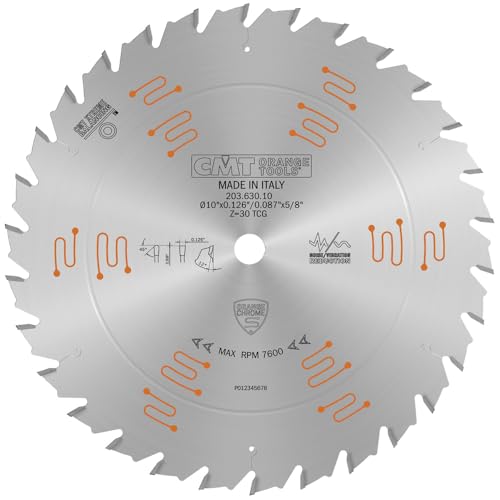
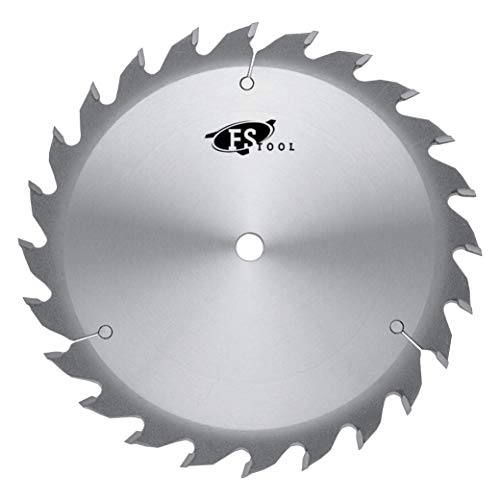
The CMT Orange Tools Heavy-Duty Blade uses just 10 razor-sharp teeth and laser-cut expansion slots to keep cuts precise and the blade cool under pressure. The FS Tool L22250 features 24 triple-chip grind teeth designed for super clean edges while ripping soft and hardwoods with minimal tear-out.
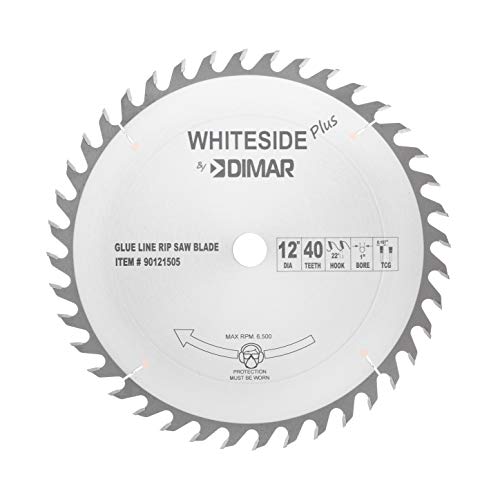
Whiteside’s 12″ 40-tooth TCG blade steps in when ultra-smooth, vibration-free cuts are essential, pairing carbide teeth with laser-cut stabilization for supreme accuracy.
| Image | Name | Editor's Rating | Price |
|---|---|---|---|
|
CMT Orange Tools 203.630.10 - Heavy-Duty Glue Line Ripping B...
|
|
|
|
FS Tool L22250 Glue Line Rip Saw Blade 10" X 24T (TCG), 5/8″...
|
|
|
|
Whiteside 12" Glue Line Rip Blade 40 Teeth 1" Bore TCG Grind...
|
|
|
|
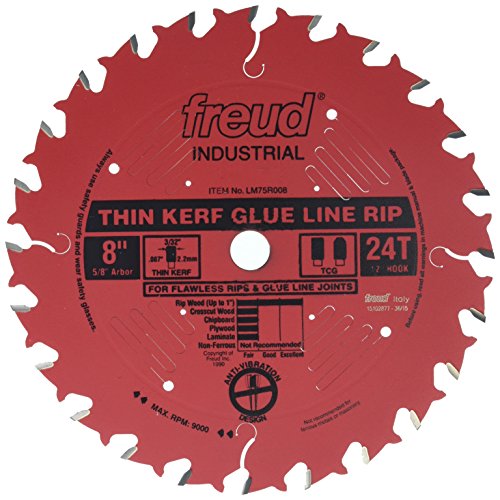
Freud Industrial Thin Kerf Glue Line Ripping Blade - 8" x 24...
|
|
Discover Precision with the Best Glue Line Rip Blades
Achieving flawless glue lines requires a rip blade that balances sharpness and longevity. Explore top models designed to minimize tear-out and ensure perfect edges in your woodworking projects.
1. CMT Orange Tools 203.630.10 Heavy-Duty Glue Line Rip Blade
- Materials: Ideal for Hardwoods; OSB; Plywood; Softwoods
- Machines: Compatible with Portable Table Saw; Radial Arm Saw; Stationary Table Saw
- Applications: Ripcut or Rips
Cutting precise glue lines without sacrificing blade life isn’t just wishful thinking anymore. The CMT Orange Tools 203.630.10 blade challenges the usual expectations of rip blades with its unique design and engineering.
This 10-tooth blade excels at ripping through hardwoods, plywood, OSB, and softwoods without leaving rough or uneven glue joints. Unlike many blades that quickly dull or overheat, it employs laser-cut heat expansion and sound dampening slots to maintain stability and accuracy during heavy use.
Durability is ensured by industrial chrome carbide teeth, enhanced further with tri-metal brazing for wear resistance. Its premium steel plate body is tensioned perfectly to reduce vibration, resulting in cleaner cuts and less operator fatigue.
Maintenance is straightforward given its mirror-finished sharpening, allowing efficient resharpening cycles that keep performance consistent over time. It suits portable table saws, radial arm saws, and stationary table saws, bringing versatility for both workshop and on-site jobs.
While the tooth count is low compared to finishing blades, this design is purposeful to reduce splintering and provide smooth glue joints, not fine finishing cuts. It’s a focused tool that redefines expectations for precision ripping in glue line applications.
Best for: Woodworkers needing a specialized glue line rip blade that balances clean results with heavy-duty durability and machine compatibility.
What We Like:
- Laser-cut expansion slots reduce blade heat and distortion
- Industrial chrome carbide teeth for extended sharpness and edge retention
- Tri-metal brazing enhances blade toughness under stress
- Precision mirror finish eases resharpening to sustain performance
- Compatible with multiple saw types for flexible workshop use
Specification:
| Specification | User Benefit |
|---|---|
| 10 Teeth | Optimized for ripping with minimal splintering along glue lines |
| Laser-Cut Heat Expansion Slots | Prevents overheating and blade warping during extended cuts |
| Industrial Chrome Carbide Teeth | Maintains cutting sharpness longer for cleaner glue lines |
| Tri-Metal Brazing | Improves durability by securely bonding teeth to blade body |
| Precision Mirror Finish Sharpening | Facilitates easier and more accurate blade sharpening |
| Works with Portable, Radial Arm, and Stationary Saws | Versatile use across various woodworking machines |
2. L22250 10″ 24T TCG Glue Line Rip Saw Blade – Precision Cutting for Woodworking
- For glue line ripping dry soft and hardwoods
- Extra smooth cut for gluing applications
- On straight line rip saws, gang-rip saws and table saws
When precision in glue line ripping matters, the L22250 Glue Line Rip Saw Blade steps beyond ordinary blades to deliver remarkably smooth cuts. Its 24-tooth TCG (triple-chip grind) design minimizes tear-out, which directly impacts the quality of edges for gluing applications.
This 10-inch blade is engineered specifically for ripping dry soft and hardwoods, making it a practical choice for craftsmen serious about joint strength and finish quality. Unlike general-purpose blades, it avoids the rough edges that can compromise glue bonds.
Its 5/8″ bore perfectly fits standard table saws and gang-rip saws, assuring compatibility without fuss. The carbide teeth not only hold sharpness but also withstand typical wear, extending the blade’s working life and reducing the need for frequent sharpening.
Maintenance is straightforward; occasional cleaning prevents pitch build-up, which can dull the cut and affect glue adhesion. This blade’s smooth cutting action can enhance efficiency and reduce sanding time after cuts, critical in projects where clean glue lines are essential.
Best for: Woodworkers seeking a reliable rip saw blade that produces clean, glue-ready edges on both soft and hardwoods.
What We Like:
- Triple-chip grind teeth reduce splintering on glue lines.
- Durable carbide teeth maintain sharpness through extended use.
- Compatible with most table and gang-rip saws via its 5/8″ bore.
- Designed to improve glue joint strength by providing smooth rip cuts.
Specification:
| Specification | User Benefit |
|---|---|
| Blade Diameter: 10 inches | Fits most common woodworking saws for versatile use. |
| Number of Teeth: 24 | Optimizes smoothness and precision on rip cuts. |
| Tooth Design: TCG (Triple Chip Grind) | Minimizes tear-out for cleaner edges vital to glue joints. |
| Bore Size: 5/8 inch | Ensures secure, stable mounting on compatible saws. |
| Material Type: Carbide | Maintains sharpness longer and resists wear and heat. |
| Compatible Materials: Dry soft and hardwoods | Versatile use for a range of wood types common in joinery. |
3. Whiteside 12″ Glue Line Rip Blade 40 Teeth TCG Grind – Precision Carbide Cutting
- Whiteside Plus by Dimar
- Industrial Carbide
- Laser Cut
When smooth, straight cuts are non-negotiable, the Whiteside 12″ Glue Line Rip Blade takes center stage. This blade is crafted to enhance your rip cuts, delivering cleaner edges where glue lines meet, avoiding the common tear-out that plagues many blades.
Equipped with 40 industrial carbide teeth arranged in a TCG (Triple Chip Grind) pattern, it balances aggressive cutting with precision. The laser-cut design minimizes vibration, offering stability even during demanding tasks, making each cut remarkably consistent.
Durability is a standout here. The industrial-grade carbide holds sharpness over longer periods, reducing the need for frequent sharpening and maintenance. Plus, the 1″ bore provides compatibility with many professional-grade saws, making it versatile within your workshop.
This blade excels in applications where glue line ripping is frequent, especially for hardwoods where maintaining edge integrity is crucial. Thanks to its refined tooth geometry, it smoothly slices through wood while preserving sensitive glue joints, a feature often underestimated in typical rip blades.
Best for: Woodworkers requiring precision glue line rip cuts on hardwoods and laminated materials.
What We Like:
- Highly durable industrial carbide teeth for sustained sharpness
- Laser-cut construction reduces vibration and improves cut quality
- 40 teeth with TCG grind designed to protect glue lines from tear-out
- 1″ bore size ensures compatibility with a range of saws
Specification:
| Specification | User Benefit |
|---|---|
| 40 Industrial Carbide Teeth | Maintains sharpness longer, providing clean, precise cuts without frequent sharpening |
| Triple Chip Grind (TCG) Tooth Design | Prevents chipping and tear-out along glue lines for smoother finishes |
| Laser Cut Body | Reduces blade vibration resulting in steadier, more accurate cuts |
| 1″ Bore Diameter | Fits a variety of circular saws, increasing compatibility and convenience |
| Industrial Grade Construction | Built to withstand heavy usage in professional woodworking environments |
4. Freud 8″ x 24T x 5/8″ Thin Kerf Glue Line Rip Blade
- Optimized for Glue-Line Rips – Freud Industrial Thin Kerf Glue Line Rip blade is designed for...
- 8-Inch 24-Tooth Blade – Features an 8-inch diameter, 24-tooth configuration and TCG grind for use...
- Thin-Kerf Construction – Built with a .087-inch or 2.2 mm thin kerf and a 5/8-inch arbor for...
If you’ve ever wrestled with tear-out and rough edges on your glued panels, the design of the right rip blade could make all the difference. The Freud 8″ x 24T Thin Kerf Glue Line Rip blade sets itself apart by tackling these issues with precision cutting that many blades overlook.
This blade is engineered with a thin kerf, reducing material waste without compromising strength. Its 24 teeth are spaced to deliver smooth, clean edges straight along the glue lines, which is critical when working with laminated wood panels or veneered surfaces.
Durability is a key feature here. Made from high-quality materials, it withstands frequent use without dulling quickly, so you spend more time cutting and less sharpening. The thin kerf also means less strain on your saw motor, improving its longevity and performance overall.
Maintenance is straightforward since the blade resists buildup that often affects blade life and cutting quality. This blend of features makes the Freud blade ideal for professionals who demand accuracy and cleaner finishes on glue line rips.
Best for: Woodworkers requiring precise, clean cuts on laminated or veneered panels with minimal material waste.
What We Like:
- Thin kerf design minimizes waste and reduces motor strain.
- 24 sharp teeth optimized for smooth cuts along glue lines.
- Durable build maintains cutting edge for repeated use.
- Easy to maintain with reduced buildup during operation.
- Compatible with various wood types, especially laminated materials.
Specification:
| Specification | User Benefit |
|---|---|
| Diameter: 8 inches | Fits most standard table and radial arm saws for versatile use. |
| Teeth Count: 24 | Offers a balance between speed and smooth cutting performance. |
| Kerf Width: Thin kerf | Reduces material waste and enables faster cutting with less effort. |
| Bore Size: 5/8 inch | Ensures secure mounting on common saw arbor sizes. |
| Material: High-quality blend | Delivers durability and long-lasting sharpness for extended use. |
| Compatibility: Wood and laminated panels | Specially designed for clean rip cuts on glued or veneered surfaces. |
Key Specs Compared: Top Glue Line Rip Blades for Precision Cutting
| Product Name | Diameter | Teeth Count | Material Type | Bore Size |
|---|---|---|---|---|
| CMT Orange Tools Heavy-Duty Blade | 10″ | 10 | Carbide | 5/8″ |
| FS Tool L22250 Rip Saw Blade | 10″ | 24 (TCG) | Carbide | 5/8″ |
| Whiteside 12″ Industrial Rip Blade | 12″ | 40 (TCG Grind) | Carbide | 1″ |
| Freud 8″ Thin Kerf Rip Blade | 8″ | 24 | Blend | 5/8″ |
Which Features Make the Best Glue Line Rip Blade a Must-Have?

Picking the right rip blade for glue line work means balancing precision with durability. Each factor shapes how effectively the blade slices clean wood edges for stronger joints, while resisting wear and tear through heavy use.
Teeth Count and Configuration
Teeth count defines the cutting precision and speed of a glue line rip blade. The number of teeth paired with their grind style—like TCG (Triple Chip Grind) or traditional rip grind—dictates how smoothly the blade slices through wood fibers, directly affecting glue joint integrity.
Blades like the Whiteside 12″ with 40 TCG teeth offer a finer cut, reducing splintering by alternating carbide chamfers that lift and shear wood cleanly. Meanwhile, lower tooth counts like the CMT 10-tooth heavy-duty blade focus on faster, aggressive ripping, relying on larger gullets to clear chips efficiently.
Ignoring tooth count and style often results in rough, splintered edges and weak glue lines that compromise the overall strength of laminated boards. Selecting a blade with the right number and grind ensures clean, stable cuts and maximized glue bond quality.
Material Composition of the Teeth
Carbide-tipped teeth dramatically extend blade life and cutting performance, especially for glue line precision where edge sharpness is crucial. The hardness and wear resistance of carbide prevent rapid dulling seen in traditional steel blades.
The CMT, L22250, and Whiteside blades all feature industrial-grade carbide that withstands harsh materials like hardwoods and plywood commonly used in gluing. These carbides maintain sharpness and resist chipping, while blades with a blend material like Freud’s thin kerf balance flexibility and cost-effectiveness but may dull sooner.
Using blades without durable carbide tips leads to faster tooth degradation, causing tear-out and inconsistent glue joints that necessitate rework. Carbide ensures sustained cutting sharpness and cleaner joints with less downtime.
Blade Diameter and Bore Size
The diameter and bore size must match your saw for compatibility and cutting stability. Diameter also affects cut depth, while bore size influences how securely the blade fits on the arbor, impacting vibration and precision.
The Whiteside 12″ blade with a 1″ boreFreud 8″ and CMT 10″ with 5/8″ bores pair well with portable saws. A precise bore reduces blade wobble and runout, critical for smooth glue line cutting.
Choosing an incompatible diameter or bore leads to unstable cuts, increased vibration, and uneven glue lines. Matching these specs ensures the blade runs true, producing consistent clean edges essential for flawless joints.
Kerf Width and Cutting Efficiency
Kerf width defines the thickness of the cut made by the saw blade. It plays a crucial role in balancing material waste and the workload on your saw’s motor. A thinner kerf removes less wood, making cuts faster and requiring less power, which benefits both accuracy and energy use. Conversely, thicker kerf blades offer better stability but increase resistance during cuts.
For example, Freud’s 8″ thin kerf blade excels at fast, precise ripping. However, blades like CMT’s heavy-duty variant feature a wider kerf that handles tough, dense wood much better. The choice impacts how the blade interacts with the wood grain—thin kerfs need rigid blade bodies to prevent vibration, while wider kerfs can absorb more stress without flexing.
Ignoring kerf width often leads to extra wood waste or overheating your saw motor, which compromises cut quality. Selecting the right kerf ensures you maintain clean glue lines and maximize both efficiency and the smoothness of your rip cuts.
Heat Expansion and Stability Features
Heat expansion is a key factor that affects a saw blade’s performance, especially during long ripping sessions. Excess heat causes blades to warp or bend, throwing off alignment and ruining cut precision. This instability can lead to uneven glue lines and increase the risk of kickbacks, making heat management essential for both accuracy and safety.
The CMT blade combats heat issues with its laser-cut heat expansion slots and sound-dampening design. These features allow the blade to expand without warping, reducing vibration and maintaining stability under heavy use. Similarly, the Whiteside blade uses a laser-cut body that helps quickly dissipate heat, minimizing chatter and keeping cuts smooth and true.
Ignoring heat stability means dealing with warped blades, noisy operation, and inconsistent glue lines. A blade designed with heat expansion control ensures steady, clean cuts that are crucial for achieving flawless glued joints and overall woodworking precision.
Frequently Asked Questions
What makes a glue line rip blade different from a regular rip blade?
A glue line rip blade is specially designed to produce clean, smooth edges ideal for joining wood pieces with adhesives. The tooth geometry, such as TCG (triple-chip grind) in many glue line blades, reduces tear-out and prevents rough edges which can weaken glue joints. These blades often have features like laser-cut expansion slots for heat and noise control, maintaining accuracy during long cuts.
For instance, the CMT Orange Tools blade uses heat expansion slots to keep stability while cutting hardwoods, minimizing blade warping. This precision ensures stronger, neater glue joints.
A good tip is to always match your blade diameter and bore size to your saw for optimal performance and safety.
How does tooth count affect the performance of a glue line rip blade?
Tooth count directly impacts the smoothness and speed of your cut. Lower tooth counts like 10 teeth enable faster ripping but tend to leave rougher edges. Higher tooth counts such as 24 or 40 teeth produce cleaner, smoother glue lines but cut more slowly. The choice depends on your wood type and finish requirements.
Whiteside’s 40-tooth blade exemplifies smooth, precise cuts where tear-out is minimized, making it suitable for fine joinery. Meanwhile, CMT’s 10-tooth blade excels in heavy-duty ripping with stable but less refined edges.
Avoid forcing your saw to cut faster than recommended, especially with higher tooth count blades to prevent premature dulling.
Can I use a glue line rip blade on all wood types?
Glue line rip blades generally perform best on both hardwoods and softwoods when making rip cuts along the grain. However, some blades are better suited for dry hardwoods (like the FS Tool L22250 24T TCG blade), while others handle plywood and OSB more effectively, maintaining smoothness for lamination.
The laser-cut and sound-dampening features of blades like the CMT Orange Tools model help maintain blade stability across various materials, reducing heat build-up and vibration that can spoil glue line precision.
Make sure to verify the blade’s specifications and your project’s wood characteristics to match cutting conditions for best results.
Why is kerf size important in a glue line rip blade?
Kerf size determines how much material the blade removes during a cut. Thin kerf blades, like the Freud 8″ x 24T model, remove less wood, reducing waste and requiring less motor power, which is ideal for portable or less powerful saws. Standard kerfs are thicker, offering durability but producing more sawdust and material loss.
For woodworking focused on fine glue lines with minimal gaps, a thin kerf blade prevents excessive removal of material, preserving your panel thickness and edge integrity for a tight joint.
Choose thin kerf blades if reducing waste and heat buildup is a priority, but watch that your saw can handle the blade thickness for safe operation.
How important is carbide material in glue line rip blades?
Carbide teeth offer lasting sharpness, toughness, and heat resistance, which are crucial for clean, precise cuts over time. This durability prevents premature dulling when ripping dense hardwoods or engineered wood products, maintaining smooth glue lines. Most high-quality glue line rip blades, including CMT, Whiteside, and FS Tool models, feature carbide tips.
Some blades, like the Freud 8″ thin kerf, use a carbide blend to balance cost and performance, but fully carbide-tipped blades provide longer service life and cleaner cuts under heavy use.
Keep carbide blades clean and avoid cutting materials not recommended, like nails or metal, to prolong tooth sharpness and glue joint quality.
Enhancing Woodworking Precision with Ideal Glue Line Rip Blades
Selecting the right glue line rip blade revolutionizes woodworking tasks by enabling smoother cuts and reducing wood splintering. This choice boosts joint accuracy and accelerates your workflow, ultimately raising the quality of your finished pieces with less hassle.
Blades with fewer, larger teeth are perfect for tough hardwoods and thick stock, while those with finer teeth give excellent results on softer woods requiring finesse. Woodworkers focused on precision prefer high-tooth-count carbide-tipped blades to minimize tear-out and vibration.
Confirm your blade’s diameter and tooth pattern align with your saw’s requirements to avoid performance problems. Always operate at proper feed speeds and avoid blade overheating by following manufacturer guidelines—this care ensures durability and consistent cut quality.
Last update on 2026-08-31 / Affiliate links / Images from Amazon Product Advertising API


